In a recent revelation, supporters of former President Donald Trump are gaining insights into the individuals and organizations that wield significant influence within the Republican Party. This shift in perspective comes as political dynamics continue to evolve ahead of the upcoming elections in the United States.
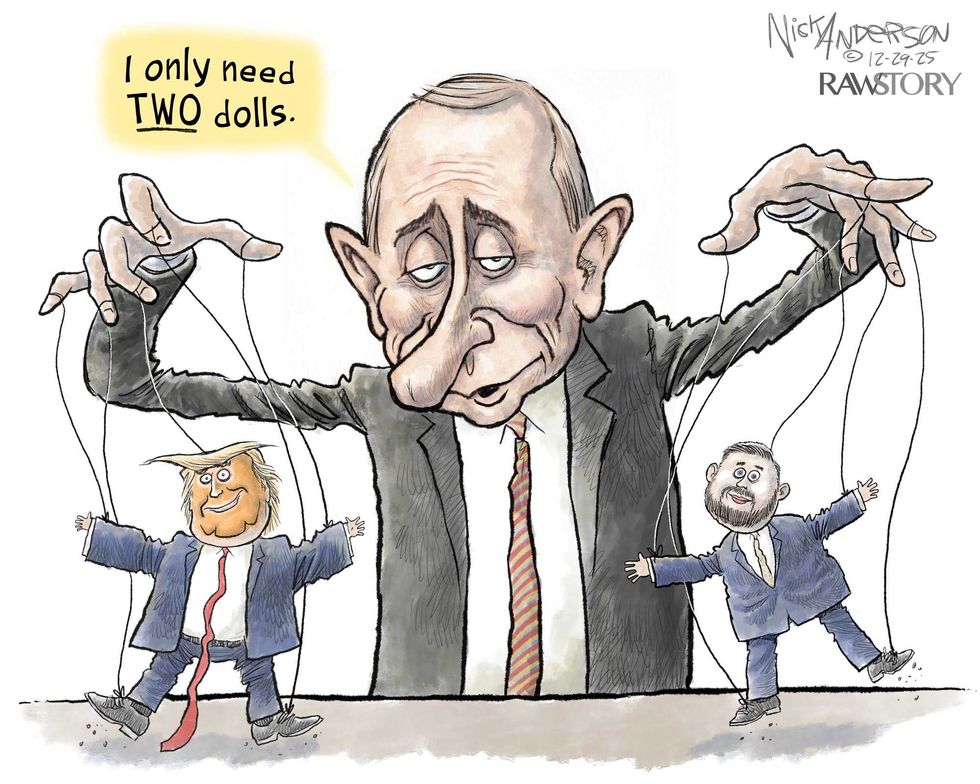
Prominent editorial cartoonist Nick Anderson, a recipient of the Pulitzer Prize, has been at the forefront of this discourse, using his platform to highlight the complexities of political allegiance and influence. His work sheds light on the broader implications of who truly shapes the narratives within GOP circles.
Understanding Political Influences
The Republican Party has long been characterized by a coalition of various factions, each vying for power and shaping the party’s direction. As Trump’s base mobilizes in preparation for the next electoral cycle, there is a growing awareness of the external forces that impact voter sentiment. Many supporters are questioning the motivations of political operatives and major donors who play pivotal roles behind the scenes.
Anderson’s editorial pieces serve as a critical commentary on this phenomenon, depicting not just the figures in power but also the intricate web of relationships that dictate political strategy. His cartoons often reflect the sentiments of the grassroots level, capturing the concerns and aspirations of voters who feel disconnected from traditional political machinery.
The Role of Voter Engagement
As the Republican Party gears up for the elections, the significance of understanding these influences cannot be overstated. Engaged voters are increasingly recognizing the importance of transparency in political processes. Many are calling for accountability from both elected officials and influential donors whose contributions can sway policy decisions and electoral outcomes.
In this climate of heightened awareness, Anderson’s work resonates deeply. His art challenges viewers to reflect on their own roles within the political landscape. By illustrating the often-overlooked power dynamics, he encourages a more informed electorate that demands greater responsiveness from their representatives.
In conclusion, as Trump’s supporters navigate the complexities of the political landscape, they are becoming more informed about the true influencers within the Republican Party. With voices like Nick Anderson leading the charge, there is potential for a more engaged and responsive political environment as the United States approaches its next critical electoral milestone.