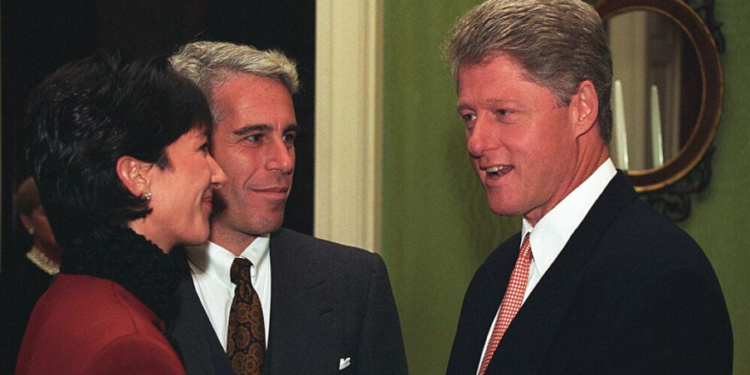
Nonconformist thinkers such as Elon Musk, Bill Gates, and Paul Allen have experienced their share of skepticism throughout their careers. Once labeled as eccentric for their groundbreaking ideas, these innovators have reshaped industries and redefined success. Their journeys highlight the challenges faced by those who dare to deviate from conventional wisdom.
The narrative surrounding these figures often reflects a broader societal tendency to dismiss unconventional ideas. Bill Gates co-founded Microsoft in 1975, a move that many viewed as overly ambitious in a time when personal computers were still in their infancy. Today, Microsoft is a multi-billion dollar enterprise, demonstrating the potential of visionary thinking despite initial public skepticism.
Elon Musk’s ventures, including SpaceX and Tesla, have similarly encountered doubt. When Musk founded SpaceX in 2002, critics were quick to question the feasibility of privately funded space exploration. Now, SpaceX is recognized for revolutionizing the aerospace industry with its reusable rocket technology.
Turning Doubt into Success
The path to success for these nonconformists has not been easy. Each faced significant hurdles, including financial challenges and public criticism. Their ability to remain undeterred by naysayers is a testament to their resilience and innovation. The story of Paul Allen, who co-founded Microsoft with Gates, is particularly notable. After stepping away from the company, Allen became a prominent philanthropist and investor, funding various initiatives that have had substantial societal impacts.
In a climate that often favors conventional approaches, the journeys of these individuals serve as a reminder of the importance of thinking outside the box. Their experiences underscore the idea that true innovation frequently requires challenging the status quo. As they have shown, the most successful ventures often begin with ideas considered crazy or unrealistic.
The impact of their contributions is not limited to technology alone. Musk’s focus on sustainable energy through Tesla has accelerated the global shift towards electric vehicles, while Gates and Allen have profoundly influenced the fields of software development and philanthropy. Their legacies highlight the importance of perseverance in the face of doubt and criticism.
A New Generation of Nonconformists
As the world continues to evolve, a new generation of innovators is emerging, drawing inspiration from the pioneers who came before them. These individuals are not only tackling pressing global challenges but are also redefining what it means to be a successful entrepreneur.
The stories of Elon Musk, Bill Gates, and Paul Allen remind us that the path of a nonconformist is often fraught with challenges. Yet, their successes illustrate the potential rewards of such a path. As society moves forward, embracing diversity in thought and innovation will be crucial for fostering new ideas that can lead to significant advancements.
In conclusion, the journeys of these tech visionaries serve as powerful examples of how nonconformity can lead to groundbreaking achievements. Their ability to transform initial skepticism into success offers valuable lessons for aspiring entrepreneurs across the globe. Embracing innovation and resilience can turn what is perceived as madness into a blueprint for success.