Walter Isaacson’s latest book, titled The Greatest Sentence Ever Written, delves deeply into a singular phrase that has shaped American history: “We hold these truths to be self-evident, that all men are created equal, that they are endowed by their Creator with certain unalienable Rights, that among these are Life, Liberty and the pursuit of Happiness.” This sentence, which served as a foundation for the American Revolution, has been referred to by historian Pauline Maier as American scripture. Documentarian Ken Burns recently deemed it the second greatest sentence in the English language, only surpassed by “I love you.”
In his concise book, Isaacson examines each component of this powerful sentence. He explores the implications of the word “We,” analyzes the phrase “all men,” and discusses the nuances between “unalienable” and “inalienable.” The author also contrasts the original writings of Thomas Jefferson with edits made by Benjamin Franklin and the final approval by the Continental Congress. This exploration extends to the various documents that influenced the creation of the Declaration of Independence.
Despite Isaacson’s reputation for lengthy biographies on figures such as Albert Einstein and Steve Jobs, this book is brief, with chapters ranging from one to three pages. Readers can easily digest it during a lunch break or a quiet morning with coffee. It encourages thoughtful reflection long after the last page is turned.
Bret Baier Chronicles Theodore Roosevelt’s Leadership
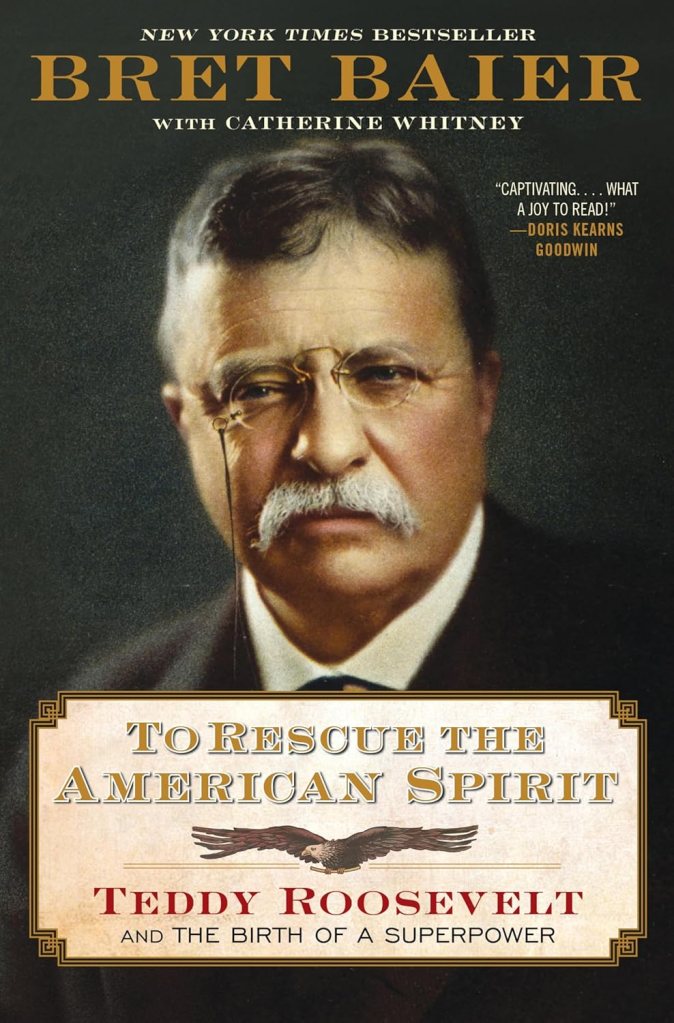
In another notable release, journalist Bret Baier presents To Rescue the American Spirit: Teddy Roosevelt and the Birth of a Superpower. This biography captures pivotal moments in the life of Theodore Roosevelt, starting with his unexpected ascension to the presidency following the assassination of William McKinley in 1901.
Baier recounts how Roosevelt, initially in the Adirondack mountains, received the news of McKinley’s death. He quickly made his way back to take the oath of office, setting the stage for a transformative presidency. The book provides an in-depth look at Roosevelt’s lineage, childhood struggles with asthma, and his eventual rise in politics after personal tragedies, including the loss of his mother and wife on the same day.
The narrative progresses to highlight Roosevelt’s impactful presidency, focusing on key achievements such as brokering peace between Russia and Japan, overseeing the construction of the Panama Canal, and shaping America’s status as a burgeoning world power. Baier’s work aligns with his previous series on presidential biographies, including To Rescue the Constitution about George Washington and To Rescue the Republic about Ulysses S. Grant.
With To Rescue the American Spirit, Baier creates a gripping account that resonates with both history enthusiasts and those interested in the intricacies of Roosevelt’s leadership. The book serves as an engaging exploration of a defining era in American history, making it essential reading for fans of both the author and the subject.