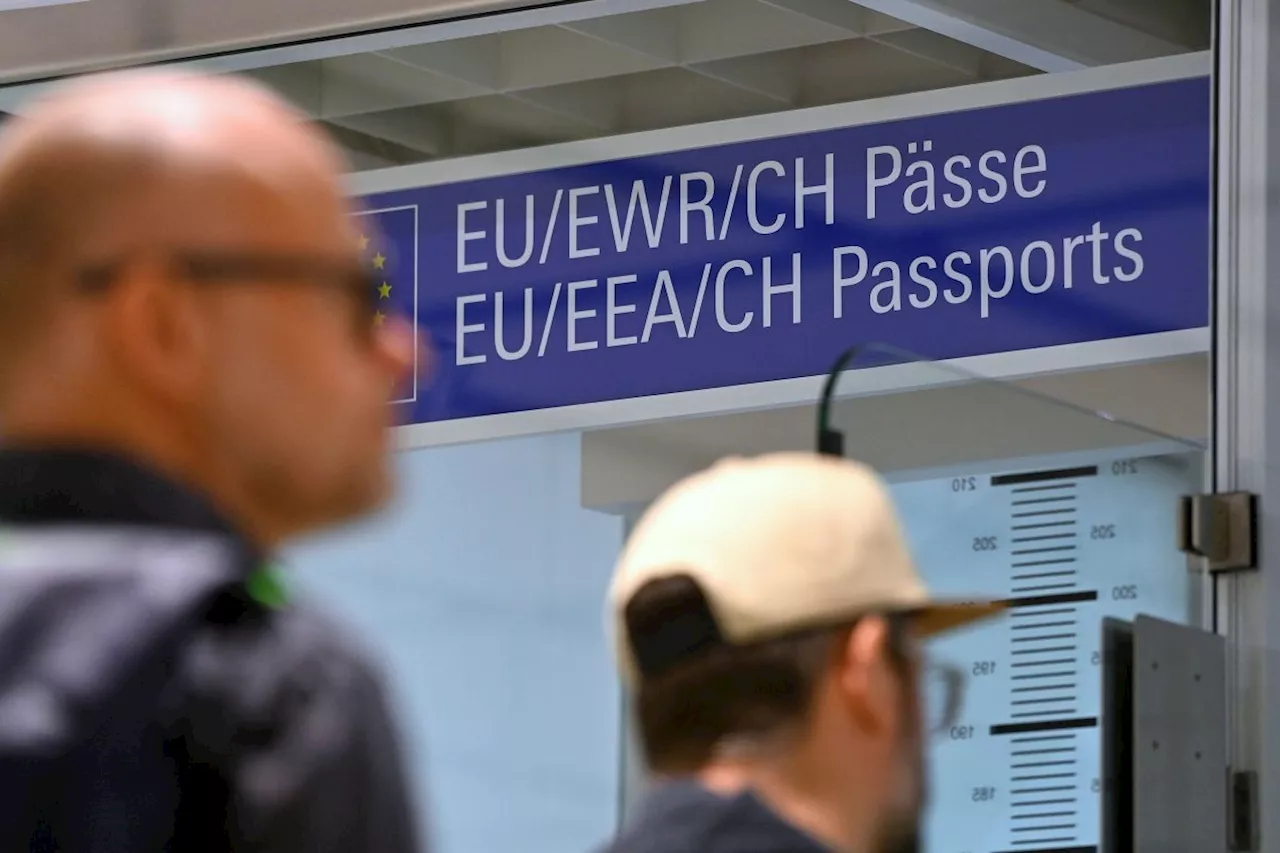
American travelers will need to obtain pre-travel authorization through the European Travel Information and Authorisation System (ETIAS) starting in late 2026. This requirement applies to visits to 30 European countries and does not signify the end of visa-free travel for U.S. citizens, as some reports have erroneously claimed.
The pre-travel authorization requirement will take effect in the fourth quarter of 2026. This change stems from the inclusion of the U.S. on the list of countries whose citizens must secure ETIAS approval before entering participating European nations. Reports suggesting that the European Union plans to terminate visa-free travel for Americans on February 1, 2026, are unverified and lack official confirmation.
The context surrounding this travel adjustment includes rising tensions between the U.S. and European nations, particularly linked to tariffs imposed by former President Donald Trump. These tariffs, which are set to affect various countries, are reportedly a response to European opposition to Trump’s interest in acquiring Greenland. Effective February 1, 2026, tariffs will begin at 10 percent, escalating to 25 percent on June 1, 2026, until a resolution regarding Greenland is reached.
Understanding ETIAS Requirements
The ETIAS is designed for visa-exempt travelers from specific countries, including the U.S., who intend to visit countries within the Schengen Area. This area comprises most EU member states as well as several non-EU countries, allowing for free movement among participating nations. With the ETIAS authorization, American citizens will be able to travel within these countries for up to 90 days within any 180-day period.
The application process is straightforward. Travelers must complete the ETIAS application form available online or through a mobile application. The fee for this authorization is 20 euros, which is approximately $23. Although the authorization is typically processed quickly, it is advisable for travelers to apply well in advance of their planned trips.
It is important to note that having a valid ETIAS authorization does not guarantee entry into Europe. Border officials retain the authority to assess whether travelers meet all entry conditions upon arrival.
Impact on American Travelers
The introduction of ETIAS will affect many American travelers who have enjoyed the ability to visit European countries without a visa. From late 2026, individuals planning trips to nations such as Austria, France, Germany, and Spain will need to ensure they have obtained the necessary pre-travel authorization.
This requirement also extends to citizens from other countries, including Australia, Canada, Japan, South Korea, Ukraine, the United Arab Emirates, and the United Kingdom.
As tensions between the U.S. and European nations evolve, the accurate portrayal of travel requirements will be essential for ensuring that travelers are well-informed. The ETIAS system is similar to the U.S. Electronic System for Travel Authorization (ESTA), serving a comparable purpose for travelers from specific countries.
In summary, while the introduction of ETIAS may alter the pre-travel process for American visitors to Europe, it does not mark the end of visa-free travel. Instead, it introduces a new layer of travel preparation as the geopolitical landscape continues to shift.