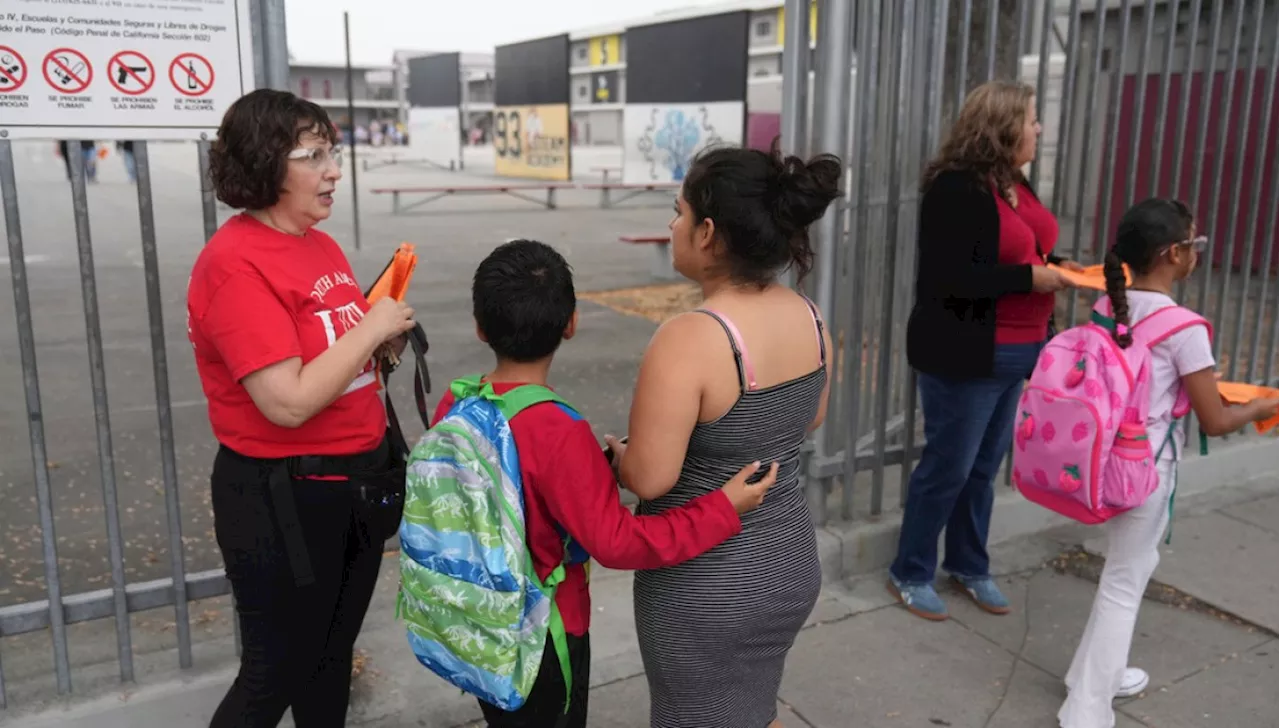
A recent court ruling in California has reaffirmed the rights of parents regarding their children’s education, following a lawsuit involving a fifth-grade student, Shea Encinas. The case emerged from the Encinitas Union School District, where Encinas was compelled to present content that conflicted with his family’s religious beliefs regarding sex and gender.
The conflict began when Shea’s teacher introduced a book about a young boy who wishes to become a girl. Subsequently, Shea was instructed to show a video adaptation of the book to a kindergarten student and encourage him to reflect on whether his shadows were pink or blue. This directive led to concerns from Shea’s family, who argued that they were not adequately informed about the material being taught to their son, thus infringing upon their rights as parents.
In a significant decision, the court emphasized the necessity for schools to notify parents regarding curricula that involve discussions around gender identity and sexuality. This ruling aligns with broader trends in educational policies across various states, particularly as movements advocating for parental rights gain traction.
California Family Council Vice President Greg Burt commented on the case, stating, “The Encinas family’s courage has secured critical protections for parents across California.” The ruling serves as a pivotal moment for parental advocacy groups, who argue that families should be informed and involved in their children’s education, particularly on sensitive topics.
The backdrop of this case reflects a national debate about educational content and parental involvement. States like Florida have enacted legislation aimed at restricting discussions around gender identity in schools, creating a ripple effect that influences policies in other regions. Critics of such legislation argue that it limits educational freedom, while proponents maintain that it protects parental rights and the values of families.
The implications of the Encinitas case extend beyond individual families, as it sets a precedent that may influence future educational policies in California and potentially across the United States. As discussions around educational content continue, the balance between educational autonomy and parental rights remains a central theme.
This ruling highlights the ongoing tensions in educational environments where political and social ideologies intersect with the rights of students and parents. The Encinas family’s experience underscores the importance of open communication between schools and families, especially regarding issues that can significantly impact young students’ lives.
As this situation unfolds, it will be essential to monitor how educational institutions adapt to ensure compliance with this ruling and the broader implications for curricula nationwide. The conversation surrounding parental rights in education continues to evolve, reflecting the diverse perspectives and beliefs of families across the country.