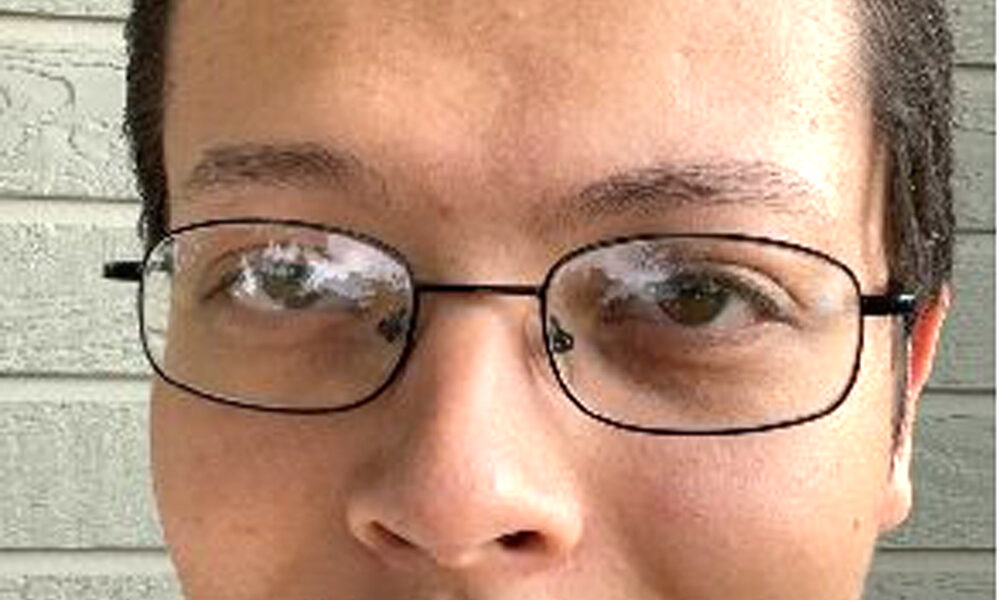
In the wake of the recent shooting involving Immigration and Customs Enforcement (ICE) in Minneapolis, misinformation has become a significant concern. Following the incident, manipulated images of both the victim and the ICE officer circulated widely on social media, leading to confusion among the public. This situation highlights the increasing challenges posed by artificial intelligence in discerning fact from fiction.
Erin Hemme Froslie, a journalism professor at Concordia College in Moorhead, emphasizes the importance of verification in today’s media landscape. “We need to be skeptical first, not cynical, but skeptical first,” she said. Froslie advises both journalists and media consumers to pause and critically assess information before sharing it, questioning the emotional impact of the content they encounter.
The proliferation of AI-generated content complicates the verification process. With advanced technologies capable of creating realistic images and videos, the potential for misinformation to mislead the public has increased significantly. Froslie stresses that one of the most effective defenses against falling victim to false narratives is to consult multiple news sources for information.
As incidents like the Minneapolis shooting unfold, it becomes vital for individuals to understand the implications of sharing unverified content. The emotional reactions elicited by images and videos can often lead to swift and potentially harmful responses. Froslie encourages individuals to ask themselves, “What is the purpose of this image, and what kind of emotional reaction does that bring about in me?”
The responsibility to combat misinformation lies not only with journalists but also with the audience. By fostering a culture of skepticism and critical thinking, media consumers can help mitigate the spread of false information. In a world where the lines between real and artificial are increasingly blurred, being informed and cautious is essential.
Froslie’s insights serve as a reminder that in the digital age, vigilance is crucial. As misinformation continues to permeate social media, the need for responsible sharing and consumption of news has never been more pressing.