As the longest government shutdown in recent history begins to resolve, Congress is left to address the repercussions. The ongoing debate over the filibuster, a procedural rule that has shaped Senate operations for decades, is now in the spotlight. With significant political pressure, the future of this controversial rule hangs in the balance.
The filibuster, which typically requires 60 votes to end debate and advance legislation, has been a tool for the minority party in the Senate. Recently, a Democratic minority utilized it to block several spending bills, leading to the government shutdown. Despite holding both legislative chambers and the White House, the Republican Party found itself facing criticism for the impasse.
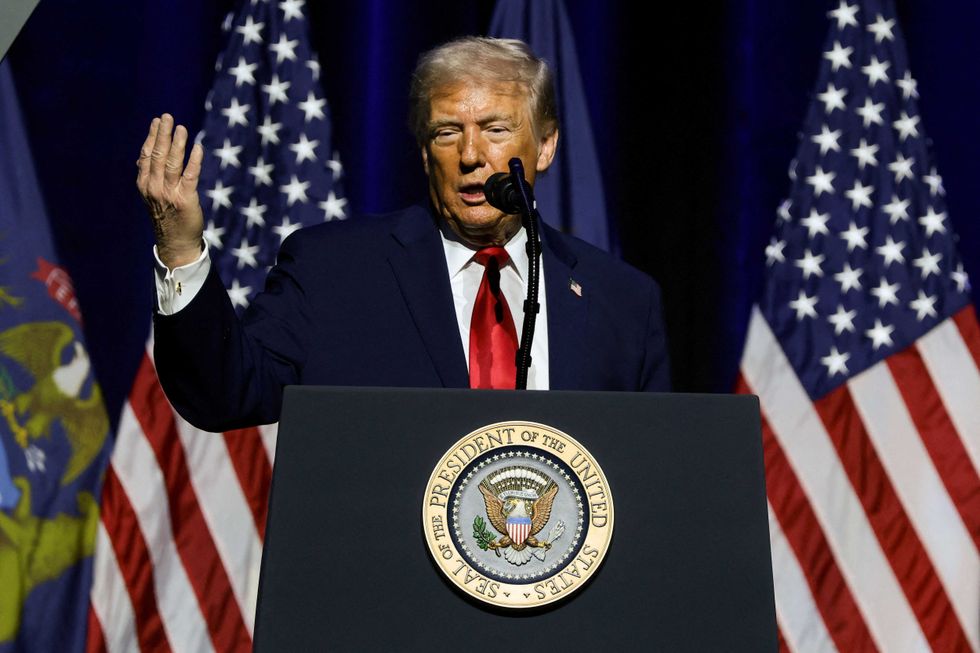
Following disappointing results in last week’s elections, President called for a reevaluation of the filibuster, stating, “REPUBLICANS, TERMINATE THE FILIBUSTER!” This statement has sparked a debate among party members. Many Republicans are drawn to the prospect of eliminating the supermajority requirement, believing it could empower them to push through their legislative agenda by a simple majority.
Yet, some leaders within the party caution against this approach. They argue that abolishing the filibuster could lead to greater instability in governance, encouraging radical policy shifts and centralizing power within leadership offices. The risk is clear: while Republicans might achieve short-term goals such as tax cuts and immigration reforms, future Democratic majorities could respond by expanding social programs, altering the Supreme Court, or creating new states.
The current political landscape is marked by polarization. This environment raises concerns that parties will exchange control, each imposing opposing legislative agendas in rapid succession, potentially destabilizing the government.
Despite these concerns, it is acknowledged that the filibuster has been misused in recent years, effectively necessitating a supermajority for even routine Senate business. In response to these issues, Congress has already implemented various exemptions to the rule, including those for budget reconciliation and presidential nominations. Some proponents of reform are now advocating for the complete elimination of the legislative filibuster.
A more balanced approach may involve reforming the filibuster to curb its misuse, rather than abolishing it entirely. Potential reforms could include imposing a requirement for senators to maintain continuous debate on the floor or gradually lowering the cloture threshold in successive votes. For instance, reducing the threshold from 60 votes to 55 votes could foster a more collaborative legislative process while still protecting minority rights.
The goal of such reforms should be to strike a balance between preventing unrestrained majority rule and limiting the potential for continuous obstruction. As noted by James Madison during the Constitutional Convention in 1787, the Senate’s role is to conduct proceedings with greater “coolness, system, and wisdom” than the House of Representatives. Restoring these virtues could significantly benefit modern politics.
As Congress navigates the fallout from the shutdown and the ongoing debate surrounding the filibuster, the decisions made in the coming weeks will have lasting implications for the legislative process and the broader political landscape.