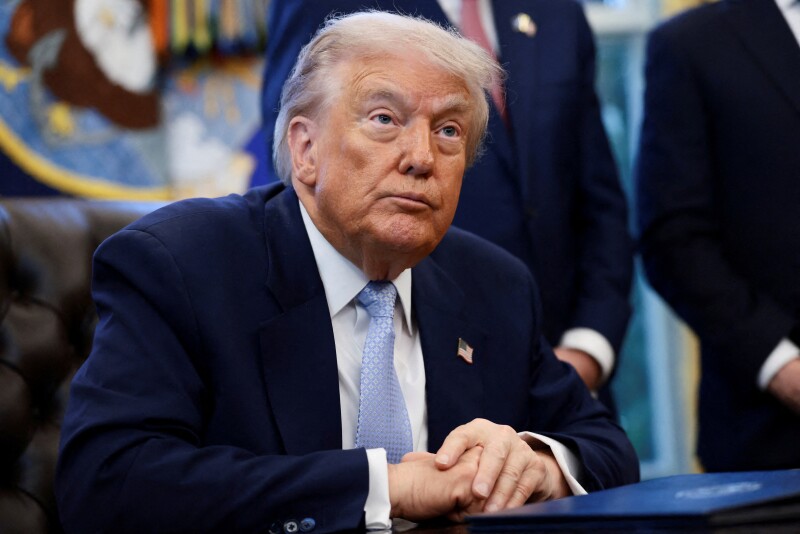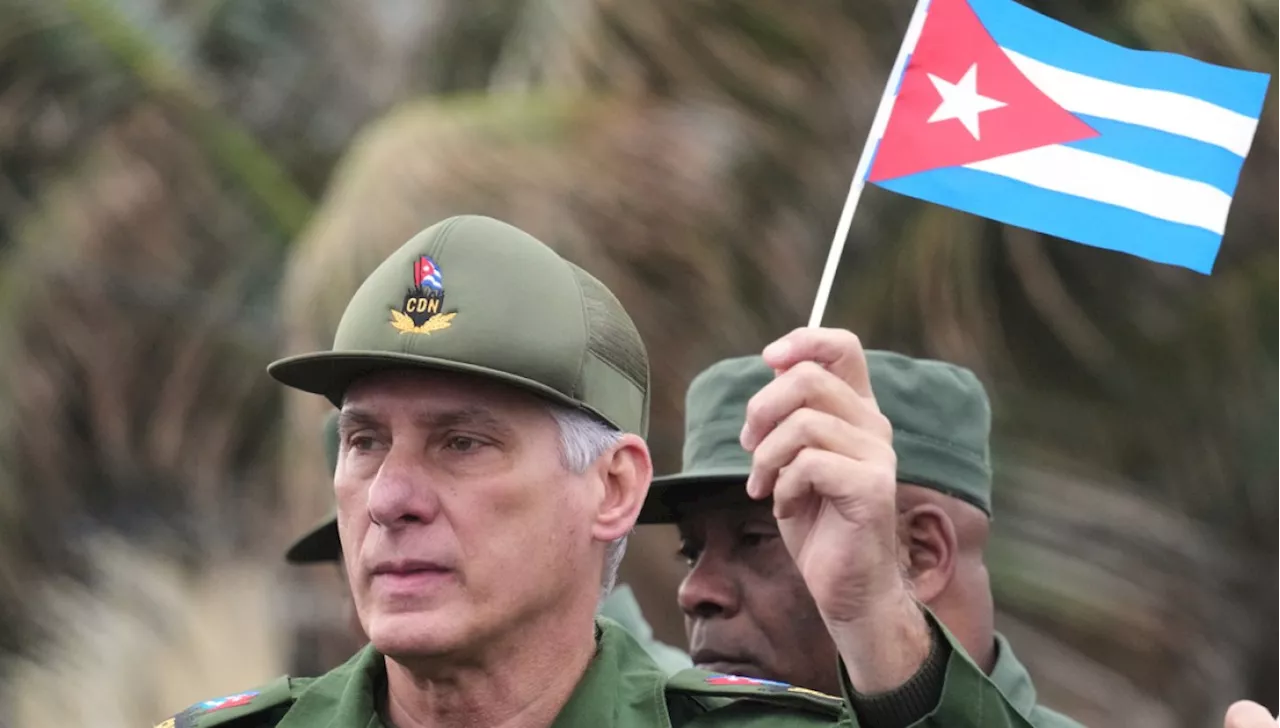
Cuban President Miguel Díaz-Canel has sharply criticized the latest tariffs imposed by the United States, labelling the Trump administration as “fascist, criminal, and genocidal.” His remarks follow President Donald Trump’s announcement of new economic measures targeting Cuban imports, which Díaz-Canel claims are designed to cripple the island’s economy.
On January 16, 2026, Díaz-Canel expressed his outrage through social media, condemning the tariffs as a tactic used by what he described as a “clique” of leaders who prioritize personal gain over the welfare of the American populace. He stated, “Under a mendacious and empty pretext, devoid of arguments, peddled by those who engage in politics and enrich themselves at the expense of the suffering of our people, Trump seeks to strangle the Cuban economy.”
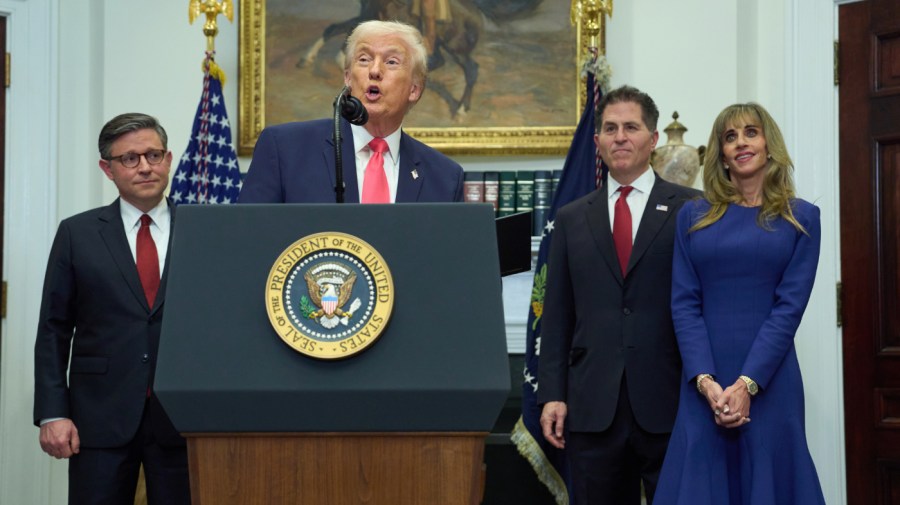
The tariffs, declared as part of a national emergency by the Trump administration, are aimed at creating a “tariff system” that includes additional duties on goods traded with Cuba, notably oil. This action follows accusations from the White House alleging that the Cuban government collaborates with hostile nations including Russia, China, and Iran, thereby posing a threat to U.S. national security.
In his statement, Díaz-Canel questioned the U.S. government’s previous claims regarding the existence of a blockade against Cuba. He pointedly asked, “Didn’t the Secretary of State and his clowns keep saying the blockade didn’t exist? Where are those who bore us with their fake stories about it just being a simple ‘bilateral trade embargo?’”
The U.S. Secretary of State, Marco Rubio, has been vocal about his desire to see a regime change in Cuba, suggesting that a shift away from the current government would benefit both nations. He asserted, “That doesn’t mean we are going to make a change, but we would love to see a change. There’s no doubt about the fact that it would be of great benefit to the United States if Cuba was no longer governed by an autocratic regime.”
These tensions are further exacerbated by reports of violence involving Cuban officers in Venezuela, with approximately 32 Cuban nationals allegedly killed during operations tied to the Venezuelan government. This has heightened scrutiny on Cuba’s role in regional politics, particularly concerning its alliances with nations considered adversarial to the U.S.
As the situation unfolds, the implications of these tariffs and the ongoing diplomatic strife will likely continue to influence Cuba’s economic landscape and its relationships with other nations. The Cuban government remains steadfast in its criticism of U.S. policies, framing them as unjust attacks on sovereignty and economic independence.
This ongoing conflict underscores the complexities of U.S.-Cuban relations, which have been fraught with contention for decades. As both sides navigate this fraught landscape, the potential for further escalation remains a critical concern for regional stability.