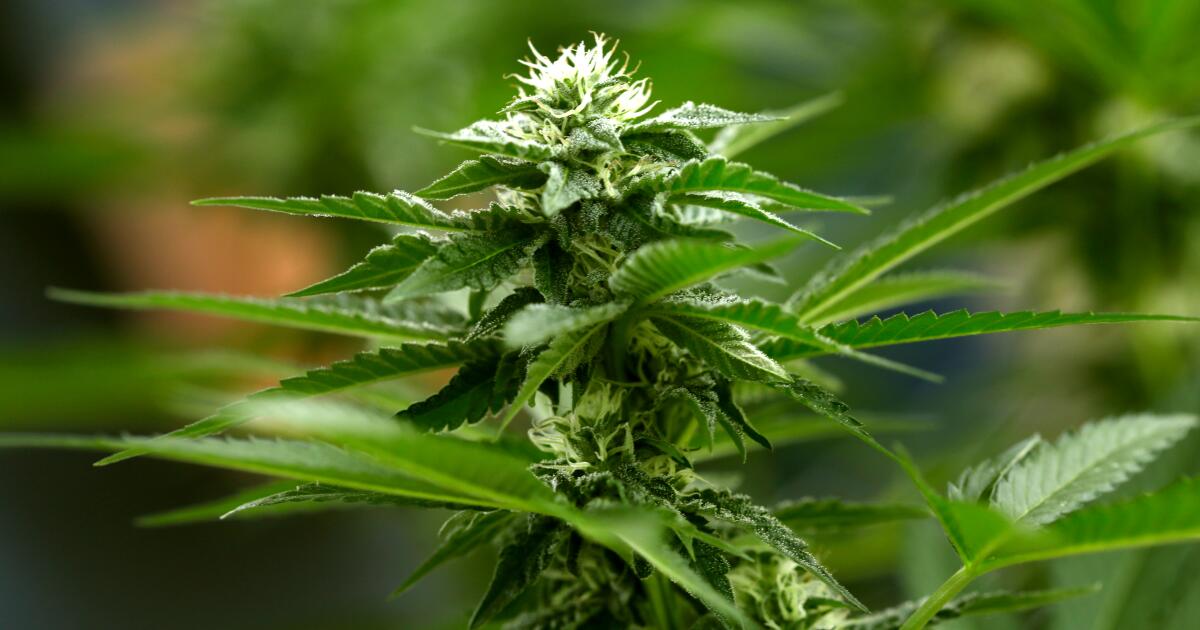
The federal government has initiated a significant shift in its approach to cannabis by reclassifying it as a Schedule III controlled substance. This change, enacted through an executive order signed by President Donald Trump, aligns cannabis with drugs that have accepted medical uses and a lower potential for abuse, such as ketamine and Tylenol with codeine. The order also establishes a Medicare pilot program for CBD, the non-psychoactive component of cannabis, which has become popular among seniors seeking relief from chronic pain, anxiety, and sleep disorders.
This reclassification comes nearly a decade after California’s voters approved the legalization of cannabis for recreational use in 2016. The move marks a potential turning point in the ongoing debate surrounding cannabis, which has long been viewed through the lens of “Reefer Madness,” a term that reflects the historical stigma associated with marijuana use. Despite the progress made at the state level, the cannabis industry has faced numerous challenges, including high taxes, a complex regulatory landscape, and the persistent growth of the black market.
California has become a hub for cannabis culture, with events like the annual Emerald Cup showcasing the state’s diverse cannabis offerings. However, the anticipated benefits of legalization—such as improved access to banking and reduced prosecutions of people of color—have not fully materialized. Critics argue that the federal government’s classification of cannabis as a Schedule I narcotic, alongside substances like cocaine and heroin, has hindered research and contributed to ongoing misconceptions about the drug.
Recent studies have added complexity to the cannabis narrative. A review of 2,500 studies published in the Journal of the American Medical Association found limited evidence supporting the use of cannabis for conditions like pain, anxiety, and sleeplessness. Some experts, including Michael Hsu, a UCLA addiction psychiatrist, suggest that while cannabis has shown efficacy in treating specific conditions, the broader claims of its therapeutic benefits require further scientific validation.
In contrast, industry advocates like David Bienenstock, author of “How to Smoke Pot (Properly),” remain skeptical of the findings presented by addiction specialists. Bienenstock argues that many addiction experts have vested interests in portraying cannabis primarily as a drug of abuse rather than recognizing its therapeutic potential. He emphasized the need for higher-quality research to uncover any hidden benefits of cannabis.
The historical context surrounding cannabis research further complicates the current landscape. For decades, the federal government has restricted studies on cannabis, often only allowing the use of marijuana grown at the University of Mississippi, which is known for its low quality. This has limited the ability of researchers to explore the plant’s full range of medicinal properties.
Despite these challenges, the cannabis industry has flourished, generating approximately $32 billion in revenue. As of now, around half of U.S. states permit recreational use of cannabis, while 40 allow it for medical purposes. This evolving landscape raises important questions about the future of cannabis regulation and the potential for further federal reforms.
Bienenstock views the recent reclassification as a “partial move away from outright Reefer Madness and toward obvious reality.” Nonetheless, he cautions that the new regulations still impose significant restrictions that do not reflect the plant’s benefits compared to legal substances like alcohol and tobacco.
As the discourse around cannabis continues to evolve, it remains critical for policymakers, researchers, and the public to engage with the complexities of cannabis use and regulation. The path forward will require a balanced approach that considers both the historical context and potential benefits of this controversial plant.