Three workers at El Tapatio Mexican Restaurant in Willmar, Minnesota, faced detainment by U.S. Immigration and Customs Enforcement (ICE) agents shortly after serving them lunch on January 15, 2026. Following the meal, a dishwasher and two owners decided to close the restaurant upon realizing the agents were dining there. Local reports indicate the restaurant has remained closed since the incident.
The owners’ son announced plans to reopen the establishment shortly after the detentions. In a statement to Willmar Radio, Willmar Mayor Doug Reese reminded the public that ICE is fulfilling its federal responsibilities and emphasized the importance of “peaceful, lawful protest” in response to the situation.
According to a spokesperson for the Department of Homeland Security (DHS), the primary target of the detentions was identified as Jose Rosario Gomez. DHS Assistant Secretary Tricia McLaughlin provided details, stating that officers conducted a vehicle stop later that day, apprehending Gomez along with two additional undocumented individuals, one of whom had a final order of removal from an immigration judge.
In a separate incident that same day, ICE agents encountered hostility at a Minneapolis restaurant. Federal law enforcement officials reported that they were verbally abused and forced to leave the St. Paul establishment after diners shouted expletives and demanded their departure.
Residents of Willmar noted heightened police presence in the area following the detentions, with some businesses reportedly closing. Despite the increased activity, streets appeared normal, as reported by CBS News.
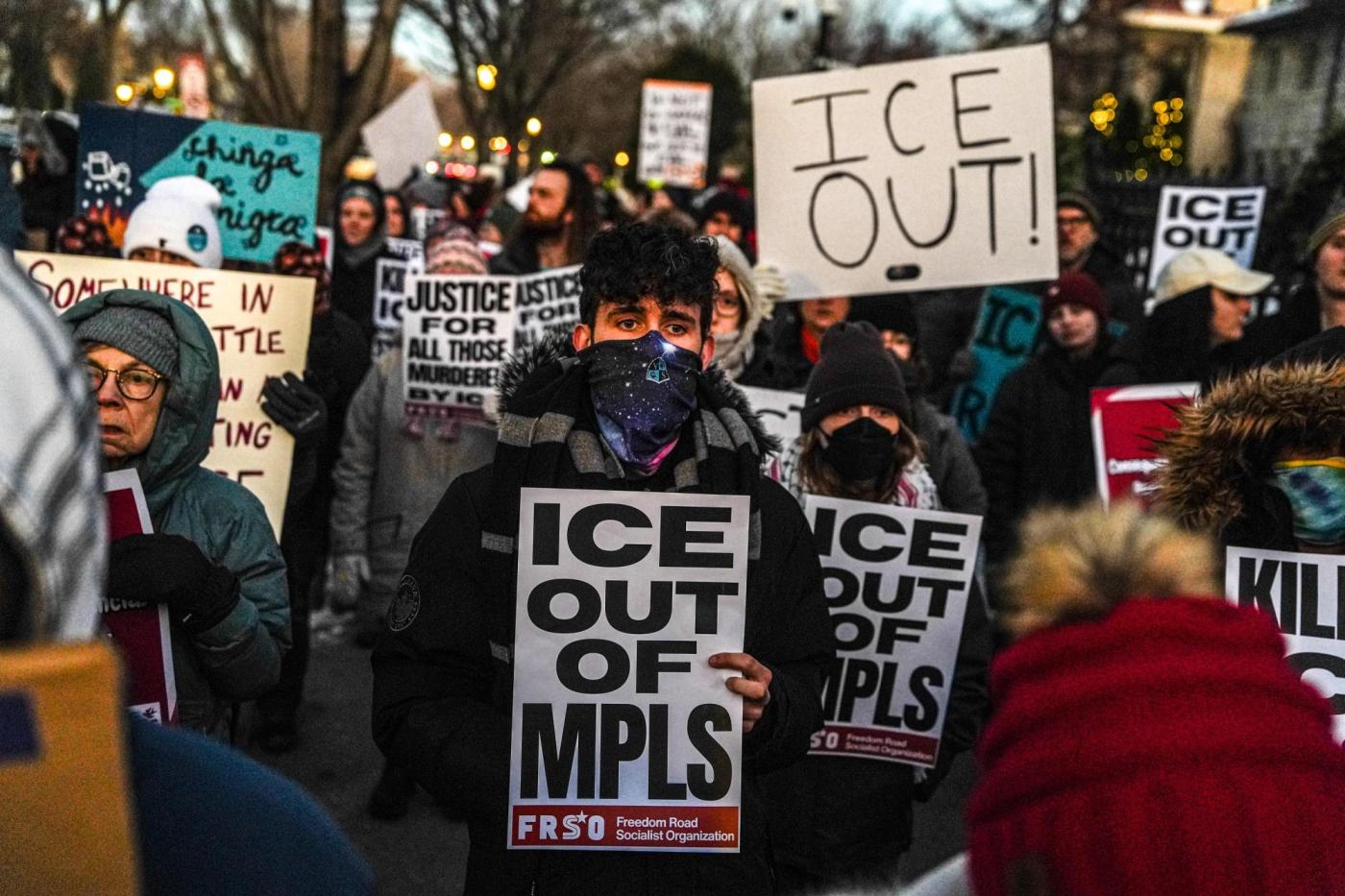
Willmar is approximately two hours west of Minneapolis, where anti-ICE protests have persisted for two weeks in response to various incidents, including a recent fatal shooting involving a protester attempting to run over agents. Additionally, federal law enforcement officers were involved in a separate shooting incident where they shot an undocumented Venezuelan national while attempting to make an arrest.
This series of events reflects ongoing tensions surrounding immigration enforcement in the region, raising questions about the balance between federal responsibilities and community responses.