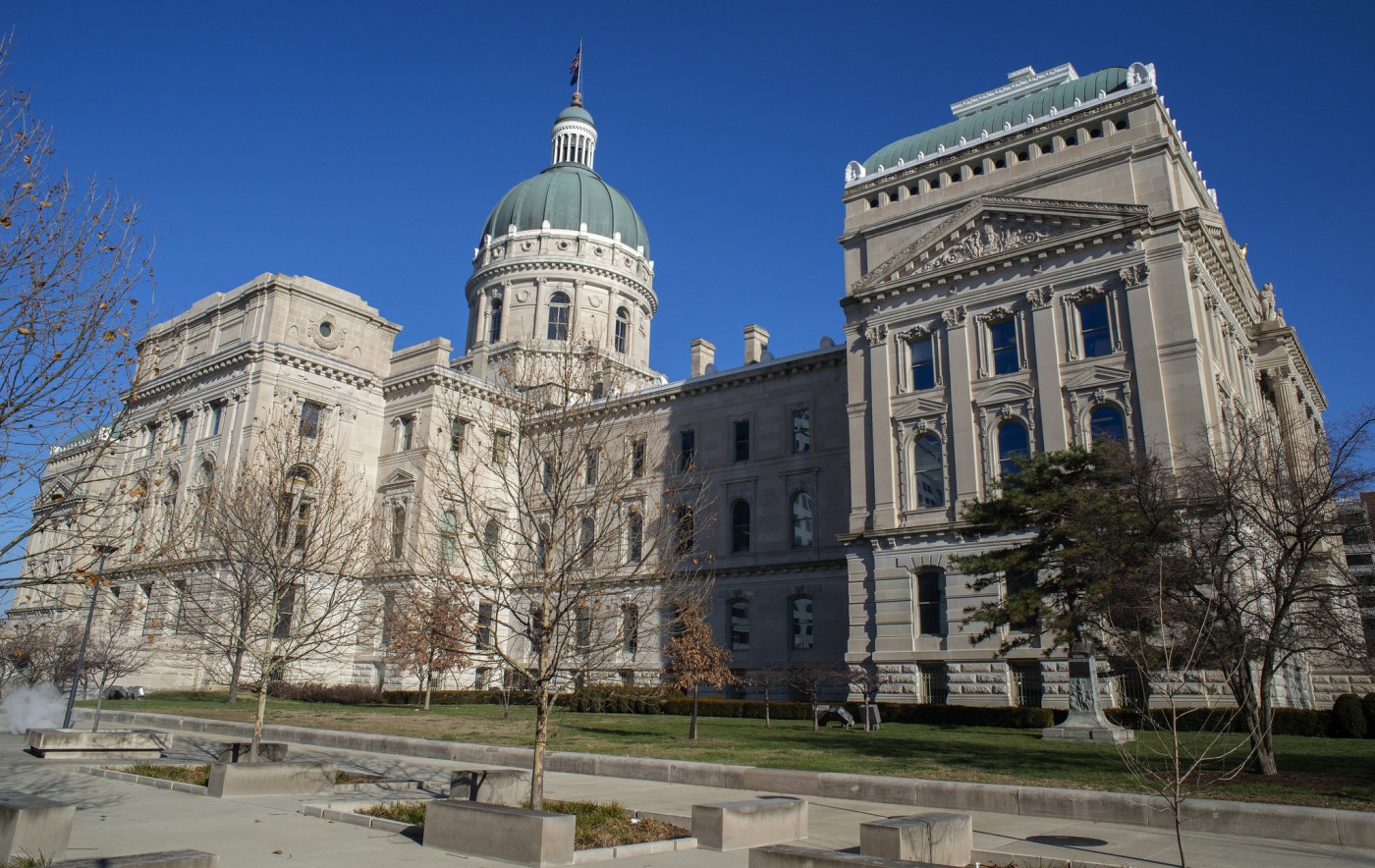
The Indiana House of Representatives passed a significant immigration bill on March 14, 2024, which expands the authority of local and state police to enforce federal immigration laws. The legislation, known as Senate Bill 76, allows law enforcement agencies to cooperate with federal immigration officials, a move that has garnered criticism from opponents who argue it may not enhance community safety.
Authored by State Senator Liz Brown, the bill enables federal, state, or local law enforcement to carry out federal immigration enforcement duties. The Indiana Department of Correction is tasked with training newly elected sheriffs on cooperation with the U.S. Immigration and Customs Enforcement (ICE).
The bill underwent amendments in the House Judiciary Committee, led by State Representative J.D. Prescott, aligning it with his previous proposal, the FAIRNESS Act: Fostering and Advancing Immigration Reforms Necessary to Ensure Safety and Security. Prescott emphasized that Senate Bill 76 aims to establish full compliance with federal immigration enforcement and eliminate sanctuary-style policies in Indiana.
Under the new legislation, the Attorney General can sue any government agency, school, or jail that fails to comply with federal immigration directives, imposing fines of $10,000 for each violation. The bill stipulates that governmental bodies cannot be sued for adhering to its regulations. Additionally, it grants judges discretion to decide on bail for individuals detained under immigration requests and mandates that authorities inform detainees about their immigration status.
The legislation includes provisions aimed at employers, prohibiting the reckless hiring of undocumented immigrants. Employers found in violation may face legal action from the Attorney General and must report undocumented individuals to the Department of Homeland Security. Moreover, the bill requires the legislature to receive reports detailing the number of non-citizens receiving benefits from various state programs.
Opposition voices within the legislature raised concerns about the bill’s potential impact on public safety and community trust. State Representative Earl Harris criticized the legislation for effectively converting local police officers, schools, and hospitals into federal immigration agents, which he believes could divert resources from crime prevention and erode public confidence in local law enforcement.
State Representative Carey Hamilton echoed these sentiments, arguing that local police should not be responsible for immigration enforcement, especially when they are already stretched thin with their primary duties. She asserted that the bill does not enhance community safety and undermines the relationship between police and the communities they serve.
Another opponent, State Representative Matt Pierce, described the bill as a “trick bag” that could adversely affect local governments and institutions. He expressed concerns about the historical conduct of ICE agents and the potential for chaos resulting from the bill’s enforcement.
State Representative Cherrish Pryor remarked on the irony of a nation founded by immigrants now enacting policies that appear to reject newcomers. She raised alarms about the profiling of individuals, regardless of their legal status, and the broader implications for civil rights.
Despite the opposition, State Representative Tim Wesco was the only Republican to publicly voice his thoughts during the session, emphasizing the necessity of congressional action on immigration reform. He supported the bill as a constitutional measure that respects legislative authority.
Following the vote, which passed 60-28 with dissent from some Republican members and all Democrats present, Prescott reaffirmed that the legislation would ensure Indiana is not classified as a sanctuary state. The bill now returns to the Senate for final approval after amendments were made in the House.
Protesters were present during the vote, voicing their opposition with chants urging lawmakers to “do the right thing.”
The Indiana legislature has been examining this immigration bill for the past 18 months. Prescott noted that similar legislation had previously passed the House but failed to advance in the Senate. The bill’s provisions reflect consultations with various stakeholders, including the chamber of commerce and manufacturing associations regarding employer responsibilities.
As the bill progresses, its implications for Indiana communities and law enforcement practices remain to be seen.