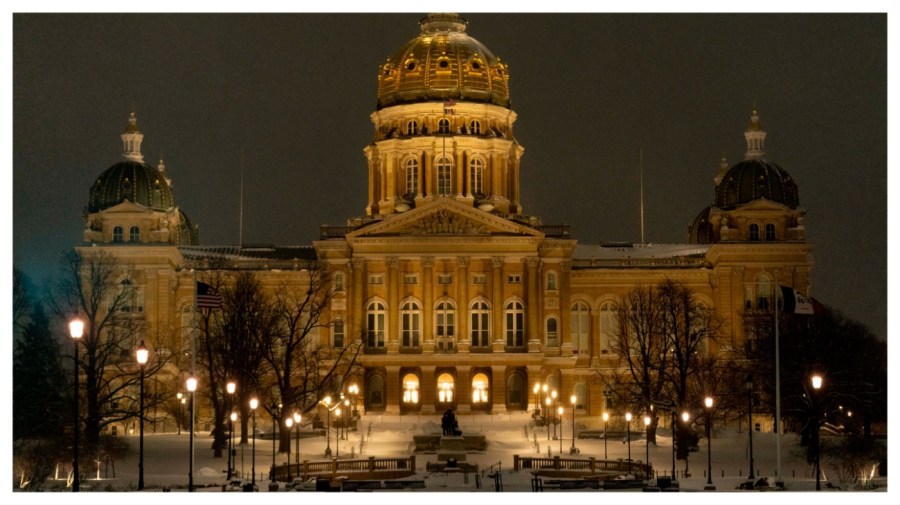
Iowa voters will participate in a crucial special election on Tuesday, aiming to fill a vacant state Senate seat. This election holds significant implications for the balance of power in the Senate, as Republicans seek to regain a supermajority in the 50-member chamber. The GOP previously held this supermajority until a Democratic victory in an August special election disrupted their control, injecting renewed optimism among Democrats ahead of the upcoming midterm elections.
Polling stations across Iowa will open at 7:00 AM local time and remain accessible until 9:00 PM, providing ample opportunity for voters to cast their ballots. The special election has drawn considerable attention, not just for its immediate impact on the Senate’s composition but also for its potential to shape the political landscape as the midterms approach.
The vacancy arose following the resignation of Republican Senator **Jason Schultz**, who left his post to pursue a position with a local nonprofit organization. His departure has created a battleground where both parties are investing heavily in campaign efforts. While the Republicans aim to reclaim their supermajority, Democrats are determined to maintain their momentum from the recent election.
According to the **Iowa Secretary of State**, approximately **1.7 million** residents are registered to vote in the state. The upcoming election serves as a key test for both parties, reflecting broader national trends that could influence voter turnout and preferences in November.
Election analysts suggest that turnout will be pivotal. With recent polling indicating a competitive race, both parties are mobilizing resources and engaging with voters. The outcome may reveal shifting attitudes among Iowa residents, particularly regarding issues such as education, healthcare, and economic recovery.
As Iowans prepare to head to the polls, the stakes remain high. A victory for Republicans could restore their supermajority, allowing for greater legislative control. Conversely, a Democratic win could signal a continuing shift in political dynamics, providing a boost to their efforts in the midterms.
In summary, the special election in Iowa is more than just a local contest; it is a crucial moment that could determine the direction of state policy and influence the national political landscape heading into the midterms.