Large crowds have gathered in various cities across Iran, demonstrating support for the clerical regime amid escalating protests that have now entered their third week. State media reported significant rallies in locations such as Kerman and Zahedan, where demonstrators carried images of Supreme Leader Ayatollah Ali Khamenei and waved Islamic Republic flags. Reports indicate that participants chanted anti-American slogans, with state-affiliated Press TV citing chants of “Death to America” during the gatherings.
These demonstrations come in response to a government crackdown on anti-government protests, which have been fueled by widespread discontent over economic conditions and authoritarian governance. According to the Human Rights Activist News Agency (HRANA), at least 544 people have been killed during the unrest, including eight children. The accuracy of HRANA’s figures remains unverified by external sources.
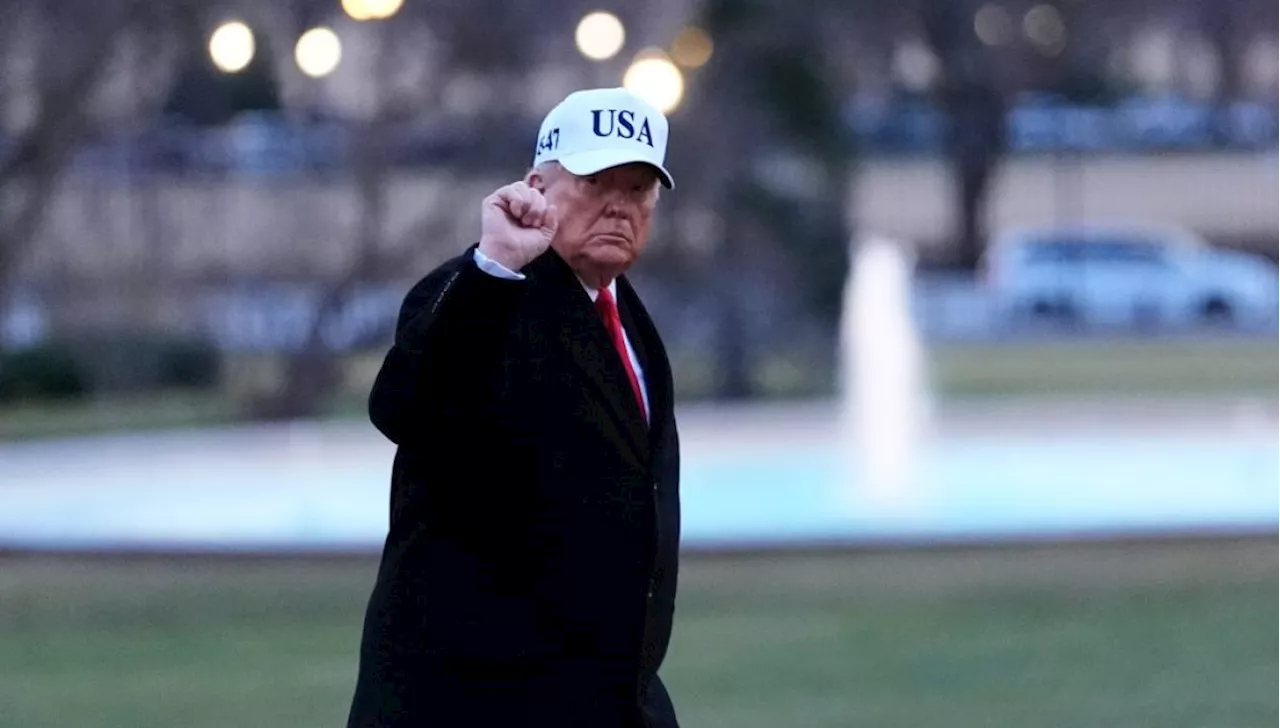
The situation has intensified with increasing pressure from the United States. President Donald Trump has indicated that his administration is considering a range of military options in response to Iran’s actions against its protesters. Trump stated that the military is evaluating “some very strong options,” including potential airstrikes and sanctions against key figures and sectors of Iran’s economy. He expressed that Iran has reached out to negotiate, suggesting that the government is feeling the strain of international pressure.
As protests continue, Iran has called for a nationwide march on March 4, 2024, at 14:00 local time (11:30 UTC), aimed at demonstrating solidarity with the regime and denouncing what officials describe as acts of desecration against Islamic symbols. This rally comes against a backdrop of significant unrest, with reports of more than 10,681 individuals arrested during the protests, according to HRANA.
The ongoing protests have been marked by a communications blackout, which began over 84 hours ago. Internet and telephone access have been severely restricted, complicating efforts to obtain accurate information about the situation on the ground. NetBlocks, a cybersecurity watchdog, has reported that this shutdown has hindered the ability to fully assess the protests and the resulting casualties.
In the United States, demonstrations against the Iranian government have also taken place, with incidents such as a truck driving through a crowd of anti-regime protesters in Los Angeles’ Westwood neighborhood. The driver, who was detained, displayed a sign reading “No Shah, No Regime. USA: Don’t repeat 1953. No Mullah.” This incident highlights the global resonance of the protests in Iran, as diasporic communities express solidarity with those opposing the regime.
Videos emerging from Iran depict the profound grief of families mourning loved ones killed in the protests. At the Kahrizak Forensic Medical Center in Tehran, relatives have been seen attempting to identify the deceased among numerous bodies, reflecting the tragic human toll of the ongoing unrest. Footage has shown mourners openly chanting anti-government slogans during funerals, as the call for justice grows louder.
Despite the challenges posed by the internet blackout, sources like IranWire continue to circulate footage showcasing the defiance of protesters across various Iranian provinces. In Mazandaran, demonstrators were heard shouting “Long live the Shah,” while videos from Tehran depicted continued unrest and resistance against the regime.
As the protests unfold, the international community watches closely, particularly in light of the potential for increased US involvement. The situation remains fluid, with both domestic and international implications that could significantly alter the landscape in Iran. The protests represent a critical moment for the Iranian regime, facing unprecedented challenges and a population demanding change.