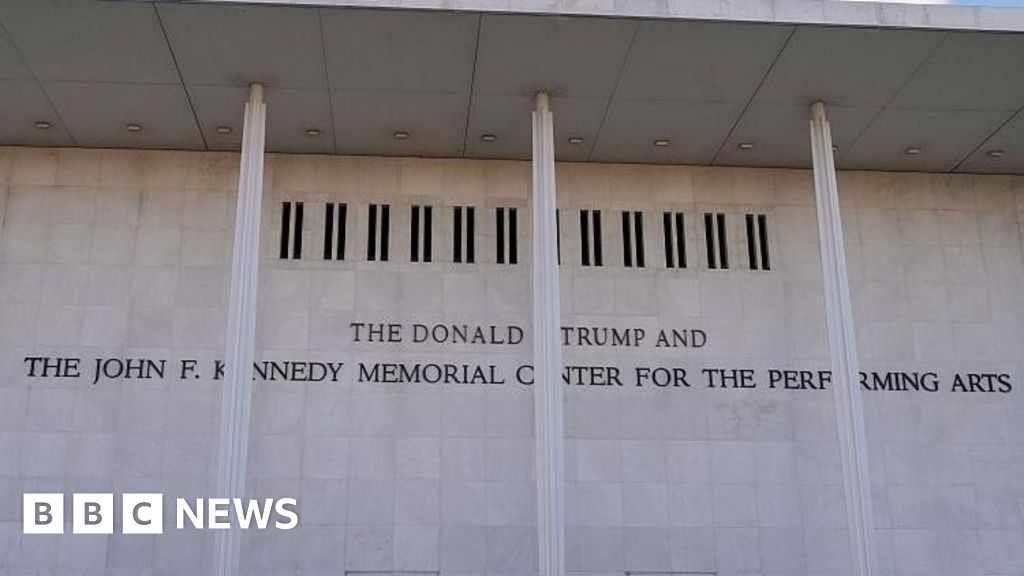
The Kennedy Center in Washington, D.C., is seeking $1 million in damages from musician Chuck Redd, who cancelled a concert after the venue’s name was changed to include President Donald Trump. Redd’s Christmas Eve performance, which he has hosted annually since 2006, was called off following a board vote to rename the institution the Trump Kennedy Center.
In a letter addressed to Redd, Richard Grenell, president of the Trump Kennedy Center, described the cancellation as a “political stunt” that has significantly impacted the center financially. Grenell stated, “Your dismal ticket sales and lack of donor support, combined with your last-minute cancellation, have cost us considerably.”
Redd did not immediately respond to requests for comment regarding the situation. This dispute comes in the wake of Trump’s controversial actions earlier in his presidency, including firing all previous board members of the center and replacing them with his allies. Following this, the board voted unanimously to appoint Trump as chairman.
The renaming of the center was publicly announced by the White House, which stated that it was intended to recognize Trump’s efforts to renovate the building. However, the decision has faced backlash from Democrats, various artists, and members of the Kennedy family. In fact, just a day after the announcement, crews began etching Trump’s name onto the building’s façade, along with updates made to the center’s website and social media accounts.
Redd, a seasoned drummer and vibraphone player, expressed his discontent with the name change. He told the Associated Press, “When I saw the name change on the Kennedy Center website and then hours later on the building, I chose to cancel our concert.”
The Kennedy Center was established as a living memorial to John F. Kennedy following his assassination in 1963. Some lawmakers and legal scholars argue that the center’s name is protected under a 1964 law that designated it as a tribute to the late president. They contend that any name change would require a formal act of Congress.
In a related development, Congresswoman Joyce Beatty, a Democrat from Ohio, has filed a lawsuit aiming to contest the name change. Beatty, who is legally designated as a board member, argues that the renaming is unlawful because it requires congressional approval. She claims that she was muted during the board meeting when she attempted to voice her opposition to the name change.
As this situation unfolds, the implications for both the Kennedy Center and Redd could be significant, raising questions about the intersection of politics and the arts in America today.