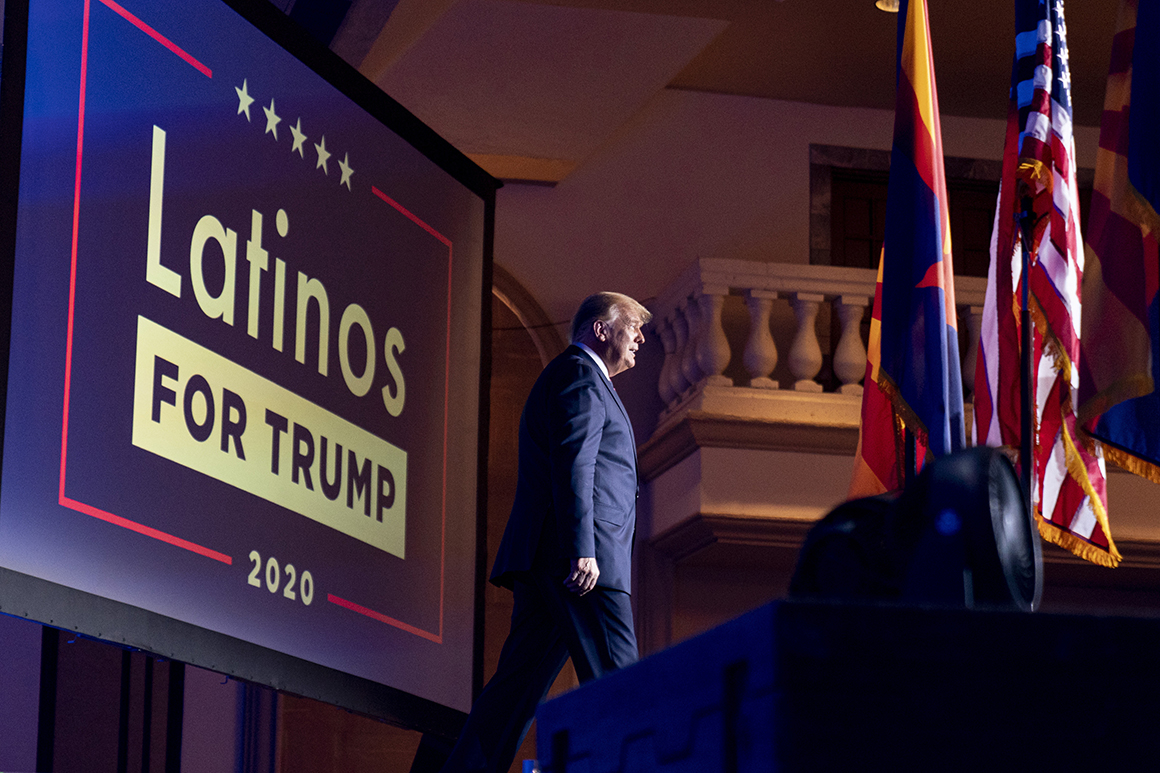
Hispanic small business owners, a crucial demographic that played a significant role in Donald Trump’s past electoral success, are increasingly dissatisfied with his administration’s economic policies. This shift poses a potential challenge for the Republican Party as the 2022 midterm elections approach.
Recent surveys indicate that 70% of Hispanic business owners express concern over the current economic climate and its impact on their operations. Many cite rising inflation and supply chain issues as primary factors contributing to their discontent. According to the National Federation of Independent Business (NFIB), these sentiments reflect broader national trends where small business owners are struggling to maintain profitability.
The shift in sentiment among Hispanic voters is significant. In the 2020 election, Trump garnered an impressive 38% of the Latino vote, a notable increase from previous Republican performances. This support was largely attributed to his administration’s focus on tax cuts and deregulation, which many business owners viewed favorably. However, as economic challenges mount, this support appears to be eroding.
Many Hispanic entrepreneurs are voicing their frustrations publicly. A recent report from the Small Business Administration (SBA) highlighted that nearly 60% of Latino business owners are considering voting for Democratic candidates in the upcoming midterms, primarily due to concerns about economic stability and government support. This represents a significant turnaround that could impact Republican strategies in various battleground states.
In addition to economic concerns, community leaders emphasize the importance of targeted policies that address the unique challenges faced by Hispanic-owned businesses. These include access to capital, workforce development, and equitable recovery efforts post-pandemic. Many business owners feel that the current administration has not adequately addressed these issues.
As the midterms approach, Republicans will need to reassess their economic messaging to reconnect with this vital voter base. The potential fallout from discontented Hispanic voters could be substantial, particularly in states like Florida, Texas, and Arizona, where Latino populations are growing and their electoral influence is becoming increasingly pronounced.
In contrast, Democrats are actively seeking to capitalize on this shift. They are focusing on outreach efforts aimed at Hispanic communities, promoting policies that resonate with their economic concerns. This includes emphasizing investments in small businesses and comprehensive immigration reform.
As the political landscape evolves, the Republican Party faces the challenge of maintaining support among Hispanic voters while addressing their economic grievances. The outcome of the upcoming elections will hinge not only on national issues but also on how effectively parties can engage with the diverse needs of their constituents.
The implications of this voter shift extend beyond the immediate electoral landscape. It may signal a longer-term change in voting patterns among Hispanic communities, influencing future elections as economic conditions continue to evolve. With November 2022 on the horizon, the urgency for both parties to address these concerns is palpable.