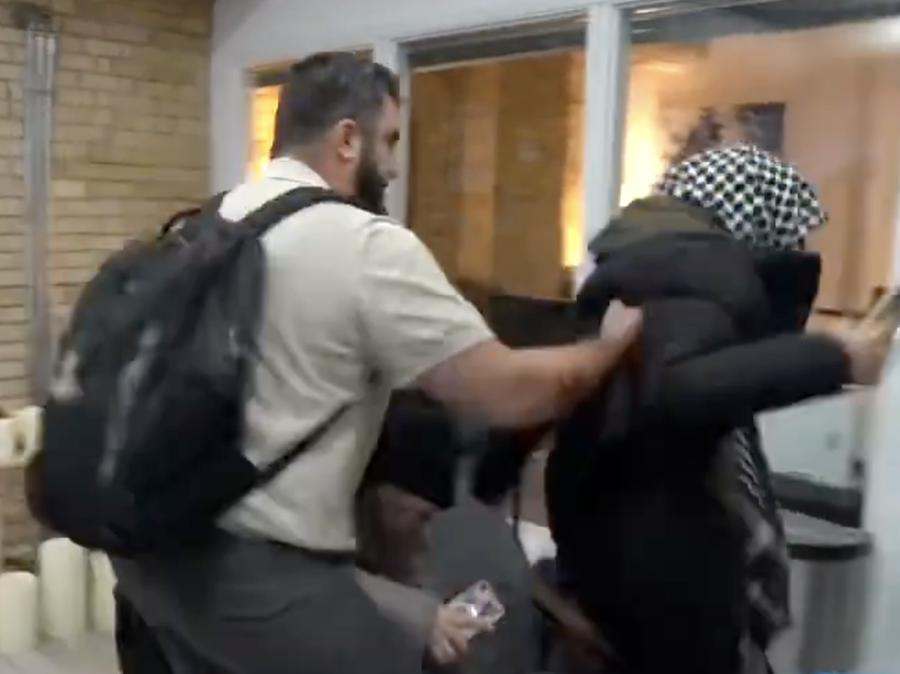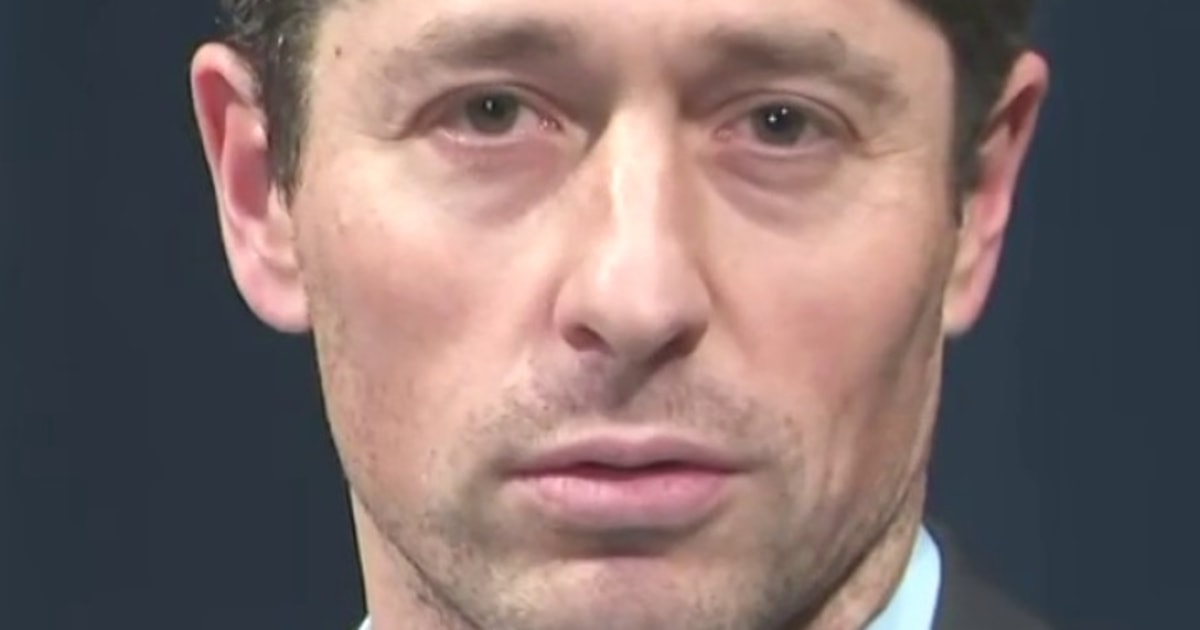
Minneapolis Mayor Jacob Frey announced on January 15, 2026, that the presence of federal agents in the city is “not sustainable.” This statement follows ongoing discussions about the role of federal law enforcement in local crime control and community relations. Mayor Frey emphasized that while federal assistance can be beneficial, its long-term application in Minneapolis raises significant concerns.
In a press conference, Frey articulated that the reliance on federal agents does not align with the community’s needs. “We need to invest in local solutions that prioritize community safety and trust,” he stated. He highlighted that relying on federal enforcement can often lead to tension rather than resolution, as it can alienate residents who feel disconnected from outside authorities.
Local Concerns Over Federal Presence
The mayor’s remarks come in the wake of criticism regarding the federal agents’ involvement in handling crime in Minneapolis, particularly in the aftermath of heightened violence in certain neighborhoods. According to the U.S. Department of Justice, federal agents have been deployed to assist local law enforcement in various capacities, but Frey contends that this approach is not conducive to lasting safety.
Local community leaders have echoed Frey’s sentiments, advocating for more significant investment in community policing and social programs. They argue that engaging residents in safety initiatives fosters a sense of ownership and accountability. “Community members are the best agents of change,” said a local activist during a recent city council meeting.
Frey’s administration is now focused on reallocating resources to enhance local policing strategies. The city plans to increase funding for neighborhood safety programs and mental health services. “Our goal is to build trust between law enforcement and the community,” Frey stated, reinforcing his vision for a more collaborative approach to public safety.
City Council Response and Future Plans
The Minneapolis City Council is reviewing the mayor’s proposal to shift resources and strategies. Discussions are expected to continue, with council members weighing the implications of reducing federal involvement. Some council members support Frey’s stance, while others caution about the potential challenges of addressing crime without federal support.
The debate highlights broader issues surrounding policing and community relations in the United States. Many cities, including Minneapolis, are grappling with how best to ensure public safety while respecting community input and fostering trust.
As the city moves forward, Frey’s administration is committed to transparency and community engagement. The mayor affirmed that the dialogue will remain open as they work towards implementing these new strategies, ensuring that the voices of Minneapolis residents are heard and prioritized.