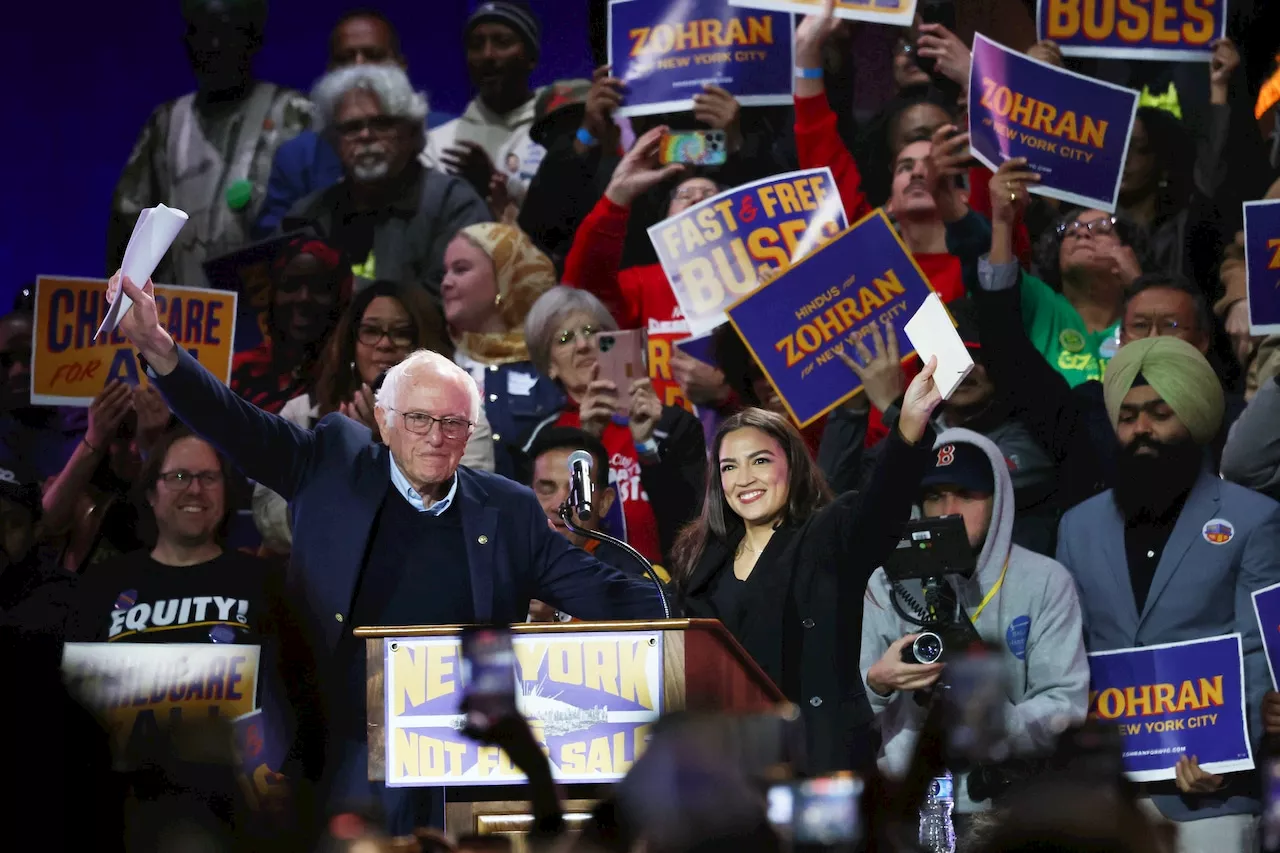
The debate surrounding how the media labels political ideologies has intensified, particularly regarding the terms “progressive” and “communist.” Critics assert that mainstream media often employs softer terminology when discussing politicians whose policies resemble those of collectivist systems, such as those in China and Russia. This issue raises questions about the influence of political bias in journalism and its implications for public perception.
As political commentators analyze the language used in news articles, they highlight a trend of mislabeling. According to a recent analysis, March 2024 marked a significant period where discussions around socialism and communism gained traction in various political spheres. The shift in terminology is seen as a way to soften the impact of policies that critics argue align closely with authoritarian regimes.
One prominent example cited by analysts involves various politicians who advocate for expansive social programs. These politicians often identify as progressives, yet their policies—such as universal healthcare and extensive welfare systems—draw comparisons to the ideological frameworks found in communist states. Some media outlets have been accused of downplaying these comparisons, opting instead to frame such policies in a more favorable light.
In a study conducted by the Media Research Center, researchers found that over 70% of articles published in major news outlets during the last year described politicians with socialist policies using the term “progressive” rather than “communist.” This raises concerns about the accuracy of reporting and the potential consequences for voter understanding.
The implications of this labeling issue extend beyond media bias. Political analysts warn that it could lead to a misinformed electorate, unable to accurately assess the implications of certain policies. The result may be a population less equipped to engage in critical discussions about governance and ideology.
Furthermore, the consequences of this mislabeling are not purely theoretical. Several politicians who have embraced progressive platforms have faced backlash from opponents who argue that such policies threaten democratic values. The use of softer terminology may serve to obscure these potential dangers, leading to a lack of accountability for policy outcomes.
As the political landscape continues to evolve, the media’s role in shaping public discourse remains crucial. The challenge for journalists is to balance the need for accessible language with the responsibility to provide accurate representations of political ideologies. Striking this balance is essential for fostering informed debate among citizens.
In conclusion, the debate over how the media labels political ideologies reflects broader societal tensions regarding governance and individual rights. As discussions about socialism and communism become more prevalent, it is vital for journalists to critically assess their language. Ensuring clarity and accuracy in reporting will not only benefit public understanding but also contribute to a more informed electorate.