Protests erupted across the United States on March 30, 2024, in response to recent incidents involving federal officers. Demonstrators gathered in numerous cities, expressing their opposition to immigration enforcement after a federal officer fatally shot a woman in Minneapolis. Additionally, another officer shot and wounded two individuals in Portland, Oregon.
The protests were organized by various activist groups opposing the actions of the U.S. Department of Homeland Security (DHS) and its enforcement arm, Immigration and Customs Enforcement (ICE). Activists argue that these incidents highlight a pattern of excessive use of force by federal agents. The demonstrations aimed to draw attention to what they perceive as systemic issues within immigration enforcement practices.
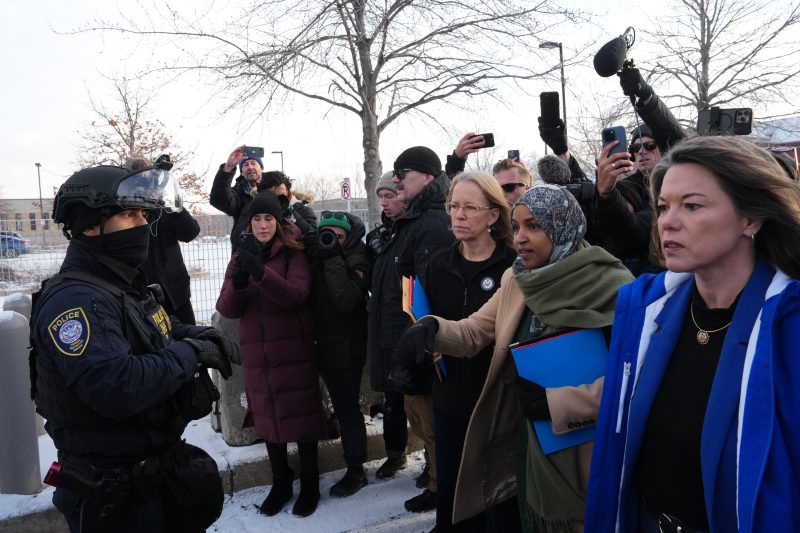
In Minneapolis, crowds gathered at the site of the shooting, calling for accountability and an end to police violence. Protesters held signs demanding justice, chanting slogans that echoed their calls for reform. Many of the participants expressed their grief and anger over the loss of life, emphasizing the need for changes in how federal officers engage with communities.
In Portland, tensions escalated as protestors confronted law enforcement. The atmosphere was charged, with some demonstrators expressing frustration over the shootings that occurred in their community. Eyewitnesses reported a heavy police presence, as officers sought to maintain order amid the unfolding protests.
The incidents that sparked these demonstrations are under investigation. The federal officer involved in the Minneapolis shooting is reported to have acted during an enforcement operation, while details surrounding the Portland shooting remain unclear. Both cases have raised concerns about the protocols followed by federal agents during such operations.
Activist groups are demanding a comprehensive review of use-of-force policies and greater transparency from federal agencies. They argue that these events are not isolated incidents but rather part of a broader issue regarding how immigration laws are enforced across the country.
As the protests continue, community leaders are calling for dialogue between activists and federal officials. They stress the importance of addressing the concerns raised by the demonstrators while ensuring public safety. Many participants hope that these protests will lead to meaningful change in immigration enforcement practices and greater accountability for federal officers.
The protests have garnered attention not only locally but also nationally, bringing the issues of immigration enforcement and police accountability to the forefront of public discourse. Activists are urging citizens to engage with their representatives to advocate for policy reform that prioritizes human rights and community safety.
As the situation develops, it remains to be seen how federal authorities will respond to the growing calls for reform and accountability in immigration enforcement practices.