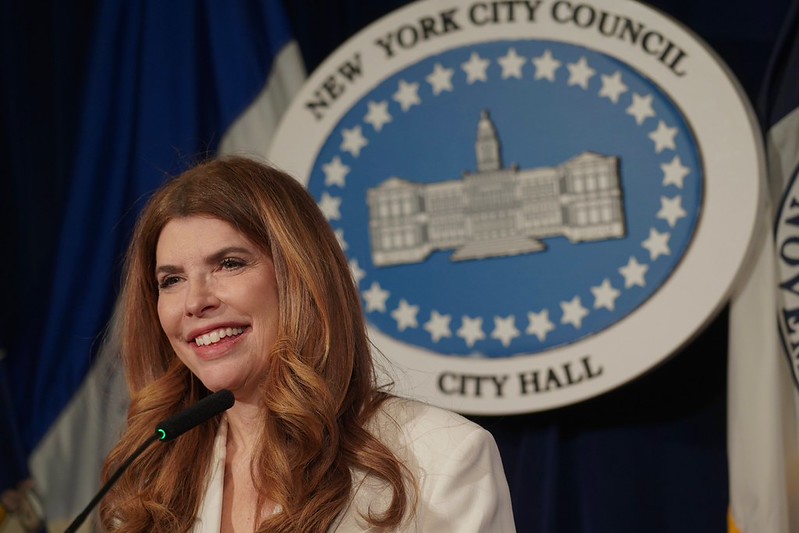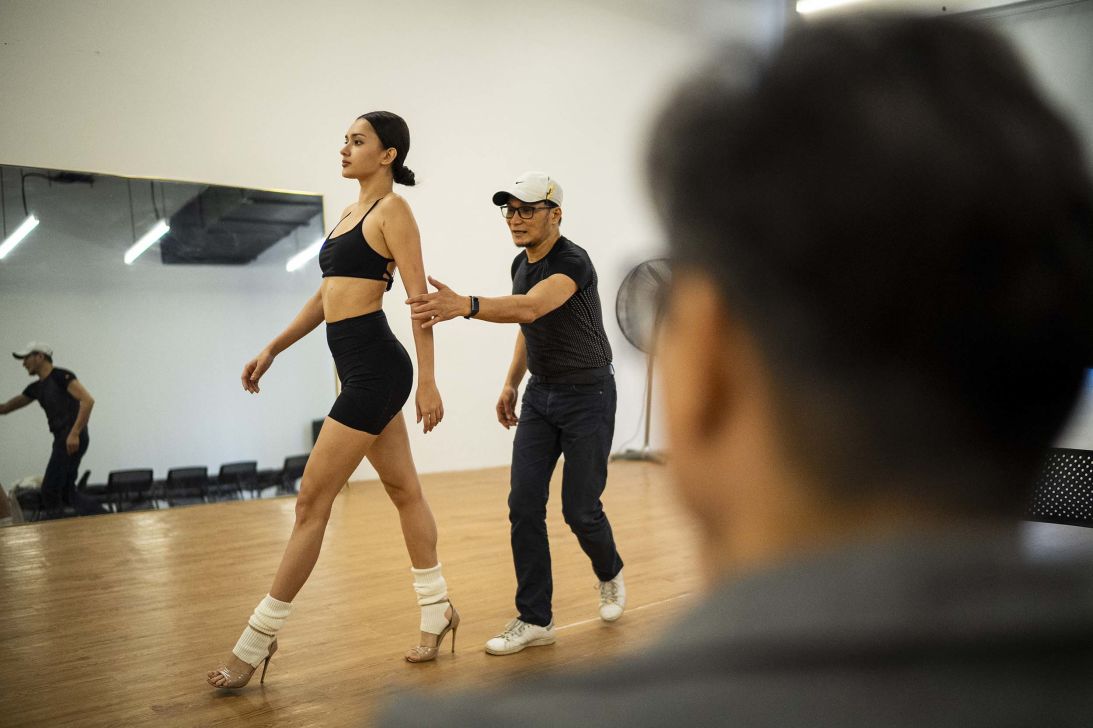
The Philippines has established itself as a global powerhouse in beauty pageants, captivating audiences with its rich cultural heritage and the fervent dedication of its contestants. As Ahtisa Manalo prepares to compete in the final of Miss Universe, millions in the Philippines will closely follow her journey. The pressure is palpable for contestants from a nation where beauty contests are deeply embedded in the culture, often referred to as the “three B’s”: boxing, basketball, and beauty pageants.
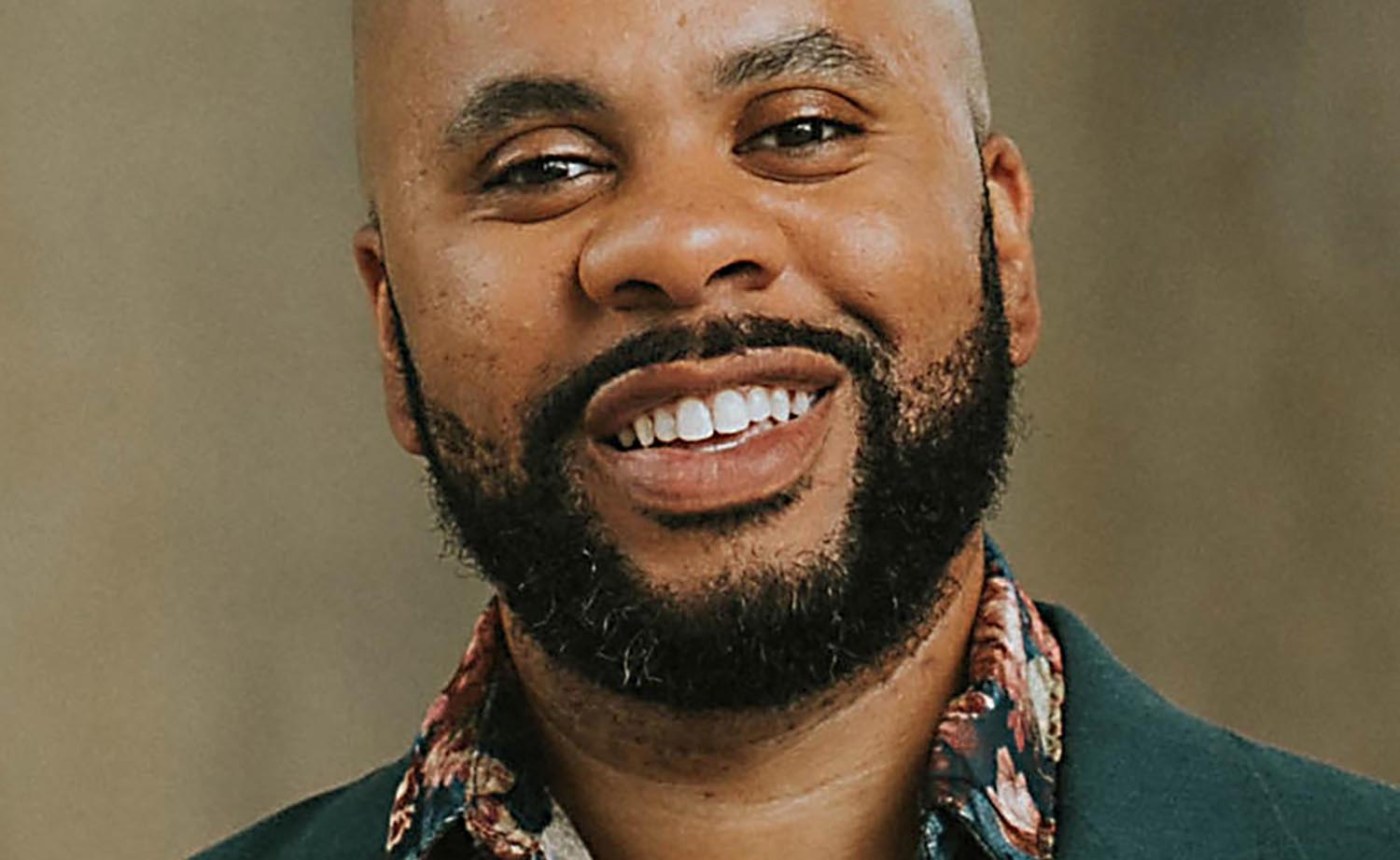
In an interview, Manalo expressed how beauty queens serve as symbols of inspiration in a developing country. “We like stories that inspire us to do better and work harder,” she said. Beauty pageants are not just events; they are celebrated traditions, with hundreds held annually in schools, plazas, and local festivals. The growing pageant industry has created a vibrant ecosystem, including coaches, fashion designers, and social media influencers. Jonas Gaffud, CEO of Miss Universe Philippines, emphasized the communal effort involved, stating, “It takes a village to create a beauty queen.”
From Local Contests to International Fame
Local competitions like the one in Lamot Dos, a barangay in Laguna province, serve as the starting point for many aspiring beauty queens. The atmosphere is electric, with community members cheering loudly for their favorites. In this setting, participants like Mark Glenn Cosico and Uricah Mae Latayan strive to showcase their talents and gain recognition. For many, these pageants signify a chance to honor their heritage and prove themselves.
Pageantry in the Philippines has historical roots dating back to the 16th century during Spanish colonial rule. The introduction of religious festivals and fiestas paved the way for beauty contests, which have evolved into significant cultural events. Genevieve Alva Clutario, author of “Beauty Regimes,” notes that the Manila Carnival in 1908 marked the beginning of organized beauty competitions in the country. This event, which featured a public voting system, sparked a wave of national pride and interest in beauty pageants.
The Philippines has since become a formidable competitor on the international stage, winning numerous titles in major pageants. The historic victory of Gloria Diaz in 1969, as the first Filipina to win Miss Universe, ignited nationwide enthusiasm. Voltaire Tayag, from the Miss Universe Philippines organization, recalls how Diaz’s win united viewers, many of whom watched the event through neighbors’ windows due to limited access to television.
Cultural Significance and Evolving Standards
Today, the Philippines ranks fourth globally for Miss Universe titles, following the United States, Venezuela, and Puerto Rico. The success of recent queens like Catriona Gray and Pia Wurtzbach has further solidified the nation’s reputation. With approximately 10 million Filipinos living abroad, the pageantry phenomenon extends beyond national borders, uniting the diaspora in shared pride.
As beauty standards evolve, pageants are increasingly scrutinized for perpetuating outdated ideals. Contestants like Ayn Bernos have voiced concerns about the pressures to conform to certain looks, highlighting issues of colorism and body image. Nevertheless, positive changes are evident. The crowning of Chelsea Manalo, the first Black Filipina to win Miss Universe Philippines, marks a significant shift in representation. Manalo’s victory inspires many, showing that diverse beauty can achieve recognition.
The landscape of beauty pageants is diversifying, with an increase in male and LGBTQ+ contests. The recent finale of Mrs. Universe in Manila reflects this trend, as the pageant embraces married, divorced, and widowed women for the first time.
As Ahtisa Manalo approaches her final pageant in Bangkok, Thailand, she carries the weight of her country’s expectations. Growing up in Quezon province, she began competing at a young age to support her education. Overcoming numerous challenges, including a notable fall during her national competition, Manalo has embraced her role while navigating a demanding schedule of public appearances and events.
Reflecting on her journey, Manalo acknowledges the pressure of representing the Philippines, stating, “You have to make the Philippines proud.” This pressure, she believes, is fueled by the support of her compatriots who closely follow her path toward the Miss Universe crown. As she prepares for the competition, Ahtisa Manalo embodies the spirit of a nation that celebrates beauty, resilience, and the pursuit of dreams.