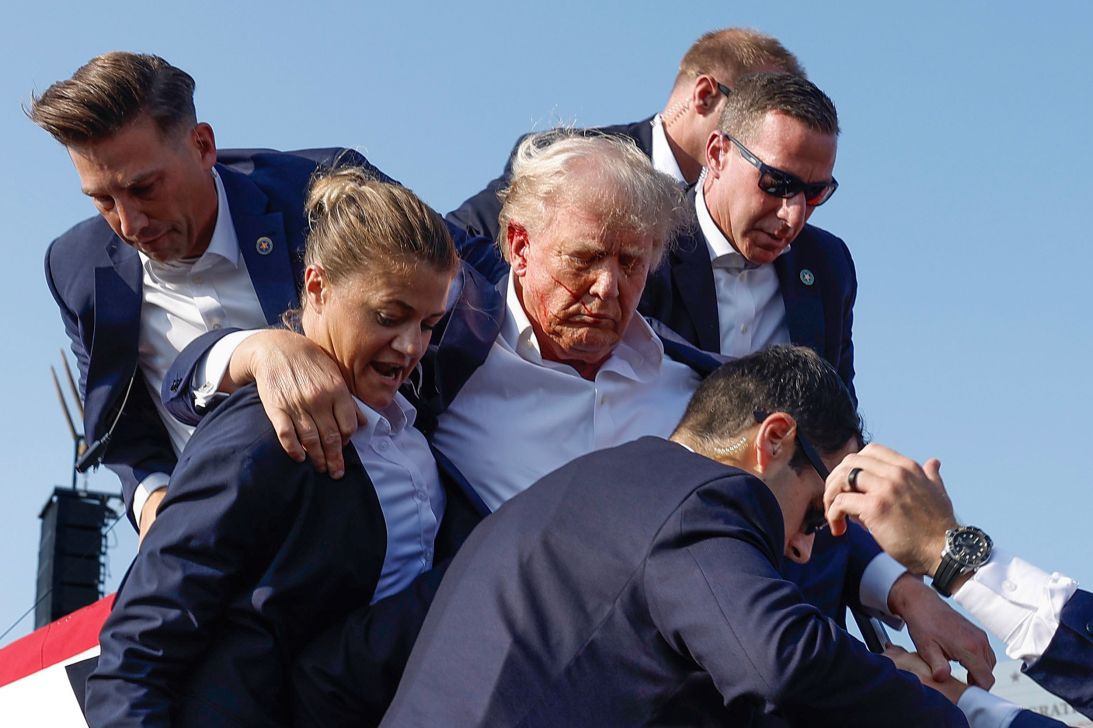
Political violence is profoundly influencing the landscape of the upcoming 2024 Democratic primary. Candidates are adapting their campaign strategies significantly to address the heightened risks associated with political events. This shift has been underscored by incidents that highlight the growing fear among politicians, including the assassination attempts faced by prominent figures and the increased security measures now standard for many campaigns.
Mark Kelly, a U.S. Senator from Arizona and husband to former Congresswoman Gabby Giffords, has been particularly vigilant since a gunman attacked Giffords during a 2011 event. As he prepares for a potential presidential run, Kelly has taken to sitting in restaurants with his back to the wall, constantly assessing escape routes and potential threats. He noted that he has faced violence before but expressed a new level of concern about the current atmosphere.
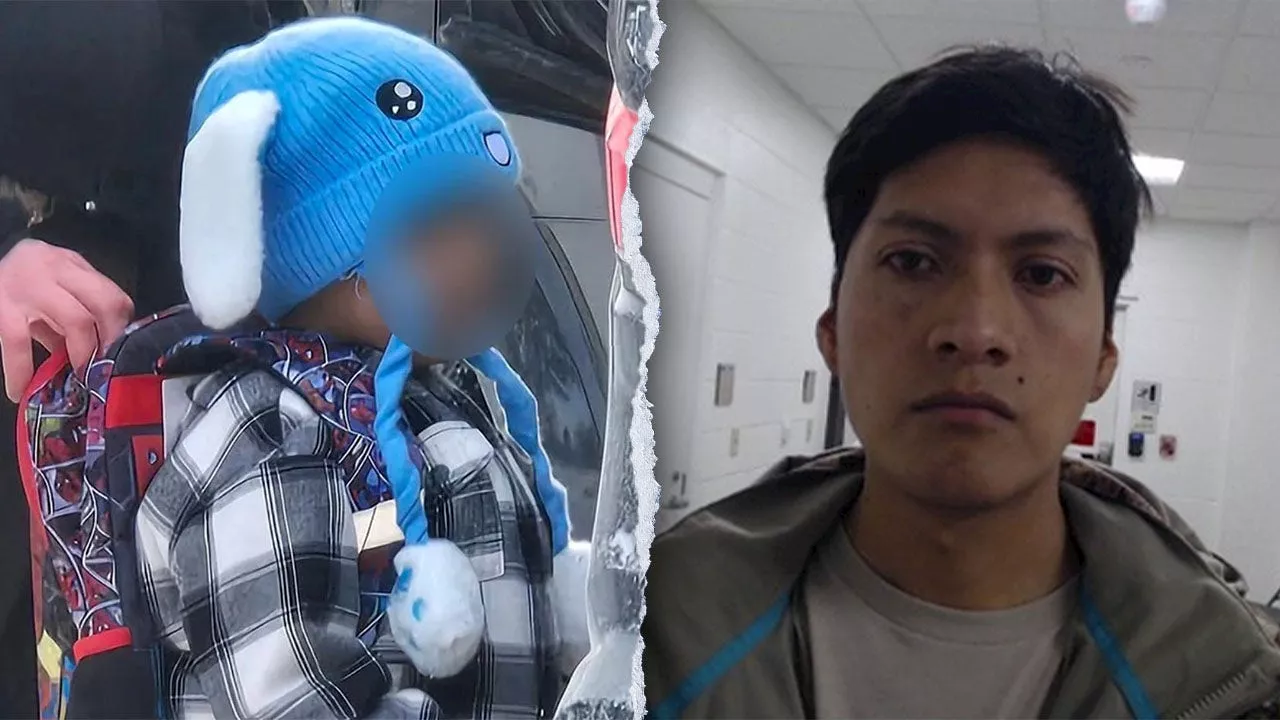
In the wake of a year marked by violence against political figures—including the deaths of notable individuals like conservative commentator Charlie Kirk—the fear of violence has become a central concern in campaign discussions among Democrats. Recently, a man was arrested for vandalizing the home of Vice President JD Vance, illustrating the tangible threats candidates face.
Security Becomes a Campaign Priority
The evolving threat landscape means that security measures will increasingly dictate how candidates interact with voters. For many political contenders, traditional campaign tactics such as parades and outdoor events have become less viable. Instead, politicians are opting for bulletproof glass in their offices and residences, and many are now accompanied by undercover officers during public appearances. Staff members frequently discuss security protocols, including the potential presence of snipers at events.
As candidates explore their options for the 2028 presidential race, they must balance their ambitions with the realities of campaigning in a potentially hostile environment. According to Kelly, “You can’t drive [risk] down to zero. There’s just no way to do that in this job.” This reflects a sobering acknowledgment that while candidates can enhance their security, danger cannot be entirely mitigated.
The historical context of political violence in the United States adds weight to the current atmosphere. Assassinations, such as those of Presidents John F. Kennedy and Robert F. Kennedy, have left indelible marks on the political landscape. However, the current environment, exacerbated by online radicalization and easy access to firearms, presents unique challenges for a diverse candidate pool that includes many minority and underrepresented groups.
Changing Dynamics of Campaigning
As candidates mobilize for the primaries, those with financial resources can afford security measures that others cannot. The disparity in security capabilities may hinder lesser-known candidates who lack the funding to protect themselves adequately. Governors often have state trooper details, while members of Congress benefit from enhanced support from the U.S. Capitol Police.
The campaign environment has already shifted visibly, with security protocols becoming more stringent. For example, during a recent event, Virginia Governor-elect Abigail Spanberger had attendees pass through metal detectors and face security personnel monitoring the crowd. Such measures have become necessary to ensure candidate safety, but they may also limit the spontaneity that often characterizes successful political campaigning.
Democratic candidates are increasingly aware of the implications of political violence on their campaigns. JB Pritzker, the Governor of Illinois, noted that his security measures have intensified since he began his tenure. He expressed concern for his family and acknowledged the emotional toll that these security measures take on him and his loved ones.
In a statement addressing the current threat environment, a White House spokesperson emphasized that President Donald Trump understands the dangers of political violence firsthand. The spokesperson claimed that the administration remains committed to discussing the realities of political conflict without inciting further violence.
The upcoming primary elections are likely to showcase these evolving dynamics, forcing candidates to navigate a more perilous political landscape. As they prepare for the challenges ahead, the emphasis on security will likely shape not just how campaigns are run but also who chooses to enter the race. Political violence, once a rare occurrence, has now emerged as a defining feature of contemporary campaigning, altering the very fabric of political engagement.
In conclusion, as the 2024 Democratic primary approaches, the political arena is being redefined by the realities of violence and security. Candidates must adapt to these new circumstances, balancing their ambitions with the need for safety and well-being in a climate that increasingly threatens both.