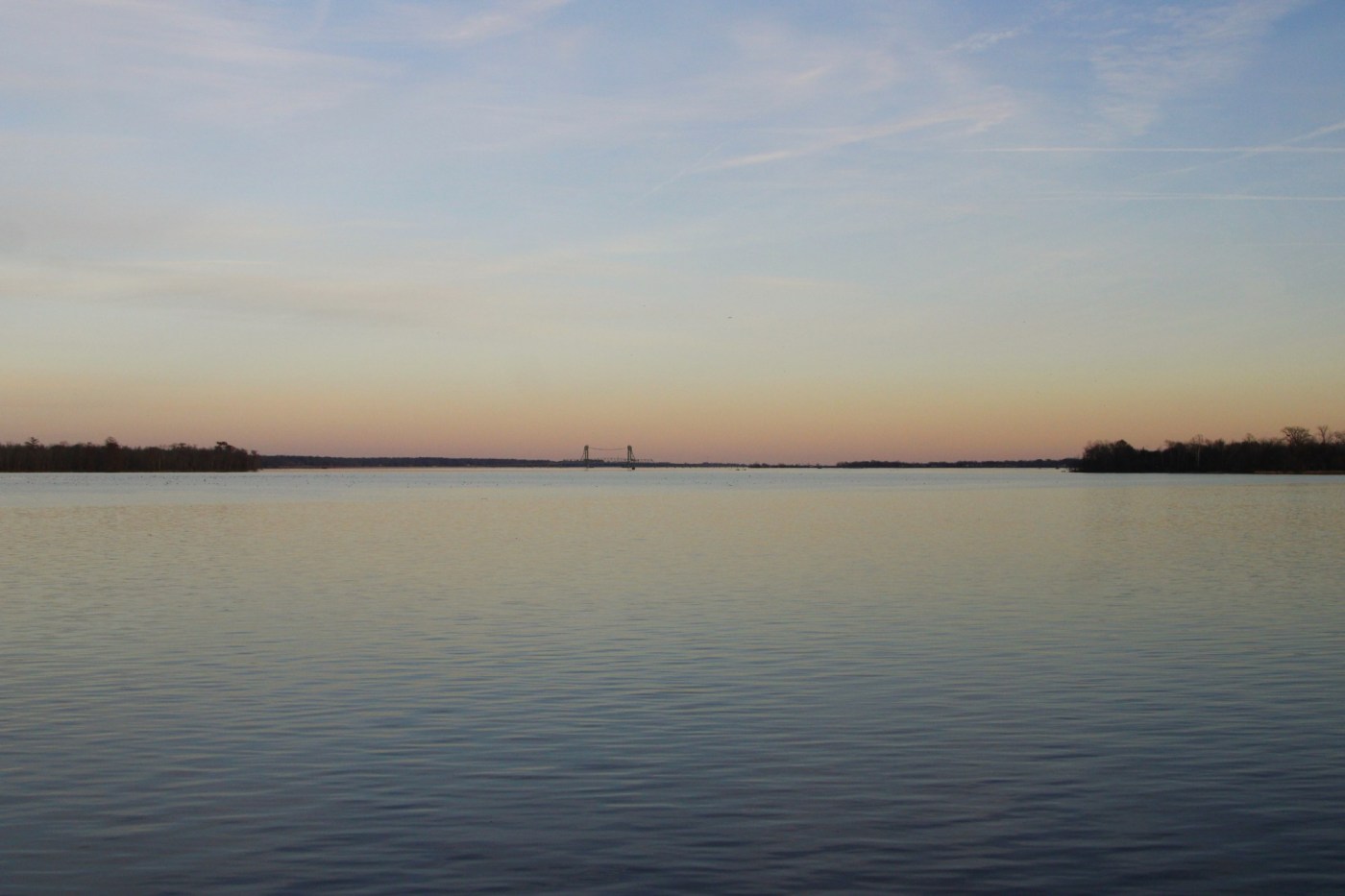
Fifty years ago, a significant environmental disaster struck the James River, teaching Virginians a vital lesson about the consequences of industrial negligence. In December 1975, two factories in Hopewell illegally discharged thousands of pounds of the pesticide Kepone (chlordecone) into the river, leading to a public health emergency and devastating impacts on the local fishing industry. The event prompted a total ban on fishing and shellfish harvesting along the tidal James, a prohibition that lasted for 13 years.
On December 17, 1975, then-Governor Mills Godwin took decisive action to protect public health by shutting down all fishing activities, affecting the livelihoods of many local families. The scale of pollution was alarming, with Kepone contaminating the river’s ecosystem and impacting both workers at the factories and the broader community. This incident not only drew national attention, including coverage on “60 Minutes,” but also served as a stark reminder of the dangers of unchecked industrial pollution.
The aftermath of the Kepone crisis sparked a powerful movement for environmental stewardship in Virginia. In 1976, concerned citizens established the James River Association to advocate for the river’s health and ensure accountability for the companies responsible for the pollution. This advocacy culminated in a historic settlement that imposed the largest environmental fine in U.S. history at the time, amounting to $8 million. The funds contributed to the creation of the Virginia Environmental Endowment, which continues to support conservation efforts across the state.
Significant progress has been made since the 1970s. The latest 2025 State of the James report awarded the river a grade of “B,” reflecting decades of restoration efforts, improved policies, and active citizen participation. Species such as eagles and sturgeon have begun to rebound, and recreational access to the river has expanded, enabling communities to once again rely on the James for their health and enjoyment.
Despite these improvements, a “B” grade highlights that challenges remain. The legacy of Kepone serves as a warning against complacency, as traces of the toxin still linger in the river’s sediments. While these remnants no longer pose an immediate threat, they remind us of the fragility of progress. Today, the James River faces ongoing challenges, including polluted runoff from rapid development, invasive species, industrial discharges, and aging sewer systems.
To protect this vital resource, stronger measures are necessary. Efforts should focus on eliminating sewage overflows, ensuring the safe storage of toxic chemicals, upgrading wastewater treatment plants, and managing urban stormwater and agricultural runoff. Additionally, advancing protections for species such as the American shad and freshwater mussels is essential for maintaining biodiversity and ecological balance.
Bill Street, president and CEO of the James River Association, emphasizes that the river cannot defend itself. “We have to be its voice,” he states, underscoring the importance of strong policies, responsible practices, consistent monitoring, and active public involvement in safeguarding the river’s health.
As the community reflects on this 50-year milestone since the Kepone disaster, the responsibility to protect the James River remains a collective one. The lessons from the past urge us to continue advocating for the river, ensuring it remains a healthy and vibrant resource for future generations. The James is not just a local asset; it is a shared resource that embodies the resilience of the people and wildlife that depend on it.