The United States Senate voted on September 30, 2023, to approve a funding bill that effectively ended the threat of a government shutdown. The decision, which garnered bipartisan support, has raised concerns among some Democratic lawmakers who feel it contradicts the party’s objectives.
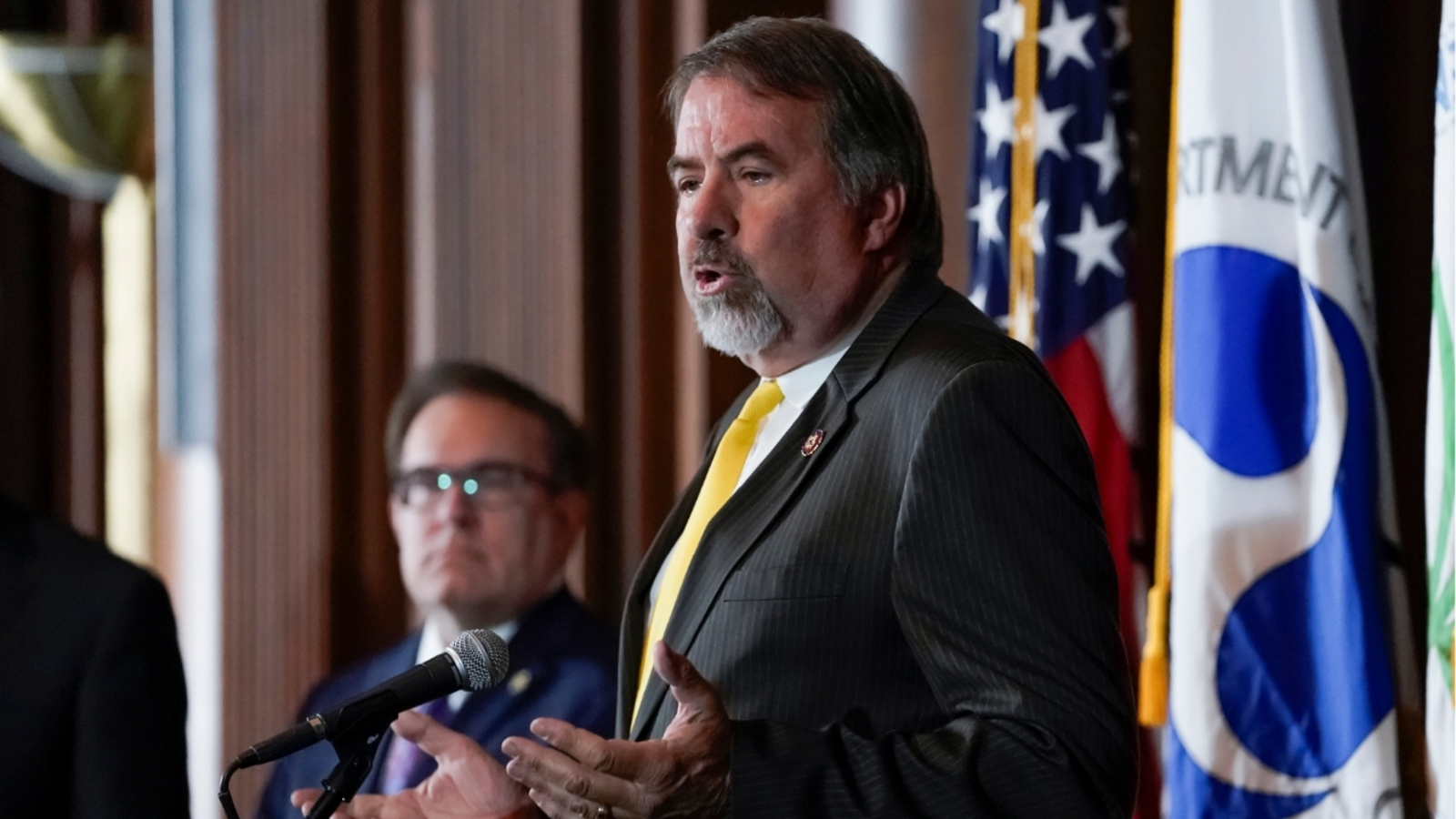
Ritchie Torres, a Democratic representative from New York, expressed his discontent in an interview with CNN. He described the Senate’s decision as “the exact opposite of what Democrats were fighting for.” The funding measure was passed with a significant majority, including votes from both sides of the aisle, but it has ignited a debate within the Democratic Party regarding their strategy and priorities moving forward.
In the wake of the Senate vote, Torres highlighted that the approved bill did not align with the progressive agenda many Democrats advocate. He emphasized that the party had long sought to secure substantial funding for social programs, climate change initiatives, and other key areas. Instead, the bill that passed largely maintained existing budget levels without providing the necessary increases in funding that many Democrats had hoped to achieve.
The funding legislation, which President Trump is expected to sign into law, temporarily averts a shutdown that could have had significant implications for government services and federal employees. The bipartisan support seen in the Senate reflects a desire among some lawmakers to prioritize stability over political disagreements, even if it means compromising on certain Democratic values.
Torres’s remarks signal a growing frustration among progressives who feel sidelined in the current political landscape. They argue that capitulating to Republican demands undermines the party’s broader goals and sends a troubling message to constituents who expect more decisive action on issues like healthcare and education.
As the political climate shifts, the implications of this vote could resonate through the upcoming electoral cycles, with many Democrats needing to reassess their strategies. The divide in the party may become increasingly apparent as they navigate the complexities of governance while trying to maintain a unified front.
Looking ahead, the Democratic Party faces the challenge of reconciling the differing perspectives within its ranks. With the Senate’s decision now in the rearview mirror, the focus will shift to how Democratic leaders can address the concerns of their members while still fulfilling their responsibilities to the American public. The conversation surrounding the party’s future direction is likely to intensify as the next congressional session approaches, and the stakes remain high for both the party and its constituents.