President Donald Trump’s administration has filed an appeal against a federal court ruling designed to protect protesters in Minneapolis from aggressive tactics employed by federal agents, particularly those from Immigration and Customs Enforcement (ICE). This appeal was submitted to the U.S. District Court for the District of Minnesota and will seek to overturn the decision made by Judge Kate Menendez, who ruled in favor of the state of Minnesota in a case that emerged amid escalating protests against ICE’s presence in the city.
The order, issued on March 15, 2024, prohibits federal agents from retaliating against individuals participating in peaceful protests, which include observing the operations of ICE. Judge Menendez’s ruling specifically bars agents from arresting or detaining peaceful demonstrators and using nonlethal munitions, such as pepper spray, against them. The ruling aims to provide a safeguard for those engaging in nonviolent protest activities, particularly in light of recent incidents where federal agents have inflicted serious harm on civilians.
This significant legal action follows tragic events, including the fatal shooting of Renee Nicole Good, a 37-year-old woman, who was killed while trying to navigate her vehicle around federal agents. The circumstances surrounding her death have intensified scrutiny of ICE’s tactics during these protests, leading to demands for accountability and reform.
In a notable shift, the administration’s appeal indicates a desire to challenge the ruling at the Eighth Circuit, an appellate court predominantly composed of judges appointed by Republican presidents. This move underscores the contentious nature of federal law enforcement practices and their implications for civil rights during ongoing protests.
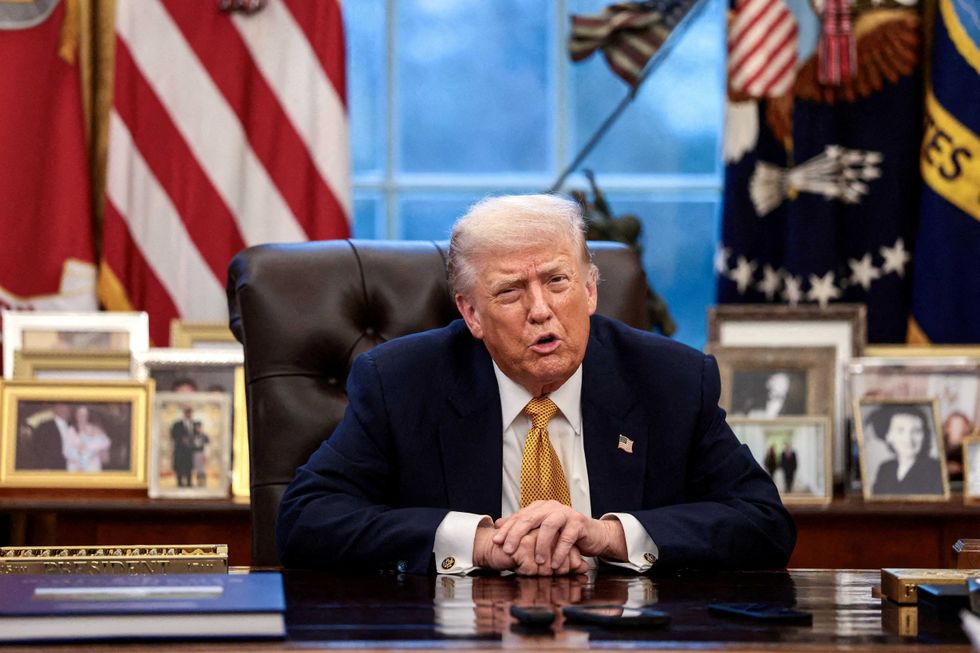
Interestingly, the ruling came just a day after President Trump publicly commended Judge Menendez on his social media platform, where he described her as a “highly respected judge.” Despite this praise, he erroneously claimed that she had declined to block ICE operations, revealing a complex and often contradictory relationship between the administration and the judiciary.
The ongoing legal battle highlights a broader national conversation about the role of federal agents in local protests and the extent of their authority. As legal proceedings unfold, the outcome could have lasting implications for the rights of individuals to protest peacefully and for the operational guidelines governing federal law enforcement agencies.
With protests continuing in Minneapolis and across the nation, attention will remain focused on how this appeal progresses and what it may mean for future demonstrations involving ICE and other federal entities. The conflict between safeguarding civil liberties and enforcing immigration laws is poised to be a defining issue in the coming months.