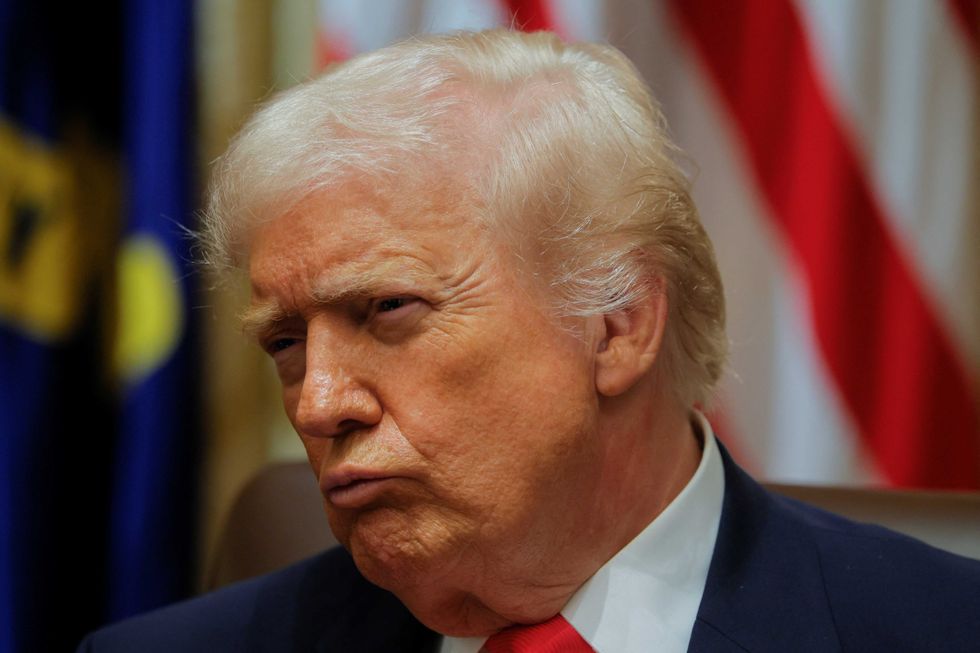
President Donald Trump indicated on Sunday that he possesses alternative methods for imposing tariffs on foreign nations, regardless of an impending ruling from the Supreme Court. The high court is expected to release its decision this week concerning Trump’s authority to unilaterally implement tariffs on foreign countries, a topic that has significant implications for international trade relations.
In a post on the social media platform Truth Social, Trump elaborated on his perspective regarding tariffs, emphasizing that the United States has various approaches available. He highlighted that the current legal proceedings concerning tariffs before the Supreme Court offer a more direct and efficient method for achieving national security objectives. “While the United States has other methods of charging TARIFFS against foreign countries, many of whom have, for YEARS, TAKEN ADVANTAGE OF OUR NATION, the current method of Tariffing before the United States Supreme Court is far more DIRECT, LESS CUMBERSOME, and MUCH FASTER,” Trump stated.
This assertion comes as the Supreme Court prepares to scrutinize the legality of tariffs that Trump has previously placed on several of America’s largest trading partners. These tariffs have affected a variety of products, including appliances, lumber, and electrical components. The results of this ruling could reshape the framework of U.S. trade policy moving forward.
Trump’s comments emphasize the importance he places on speed and effectiveness in tariff implementation. He stated that “SPEED, POWER, AND CERTAINTY ARE, AT ALL TIMES, IMPORTANT FACTORS IN GETTING THE JOB DONE IN A LASTING AND VICTORIOUS MANNER.” This perspective aligns with his administration’s broader economic strategy, which has often prioritized aggressive trade practices.
As the Supreme Court deliberates on this matter, the implications of its decision could resonate beyond the immediate realm of tariffs. If the court rules in favor of Trump, it may bolster his administration’s approach to trade and potentially lead to further tariff actions that could impact various sectors of the economy.
The upcoming ruling is poised to be a pivotal moment in the ongoing debate over trade policy in the United States. As the nation awaits the Supreme Court’s opinion, the response from both domestic and international markets will likely reflect the anticipated outcomes and their potential consequences for global trade dynamics.