President Donald Trump indicated that the United States plans to maintain its oversight of Venezuela for a duration exceeding one year. In an interview with The New York Times on March 14, 2024, Trump emphasized that Washington’s role in managing the country’s affairs and oil resources will extend well into the future. When asked about the potential timeline, he remarked, “I would say much longer,” underscoring the commitment to collaboration with interim Venezuelan authorities.
Trump outlined the administration’s strategy to extract and sell Venezuelan oil, asserting that the revenue generated would be reinvested to support the country’s recovery. He stated, “We will rebuild it in a very profitable way,” explaining that the U.S. would utilize Venezuelan crude to lower global oil prices while ensuring that the proceeds address the needs of the Venezuelan people. The President acknowledged that revitalizing the oil sector would require several years of effort.
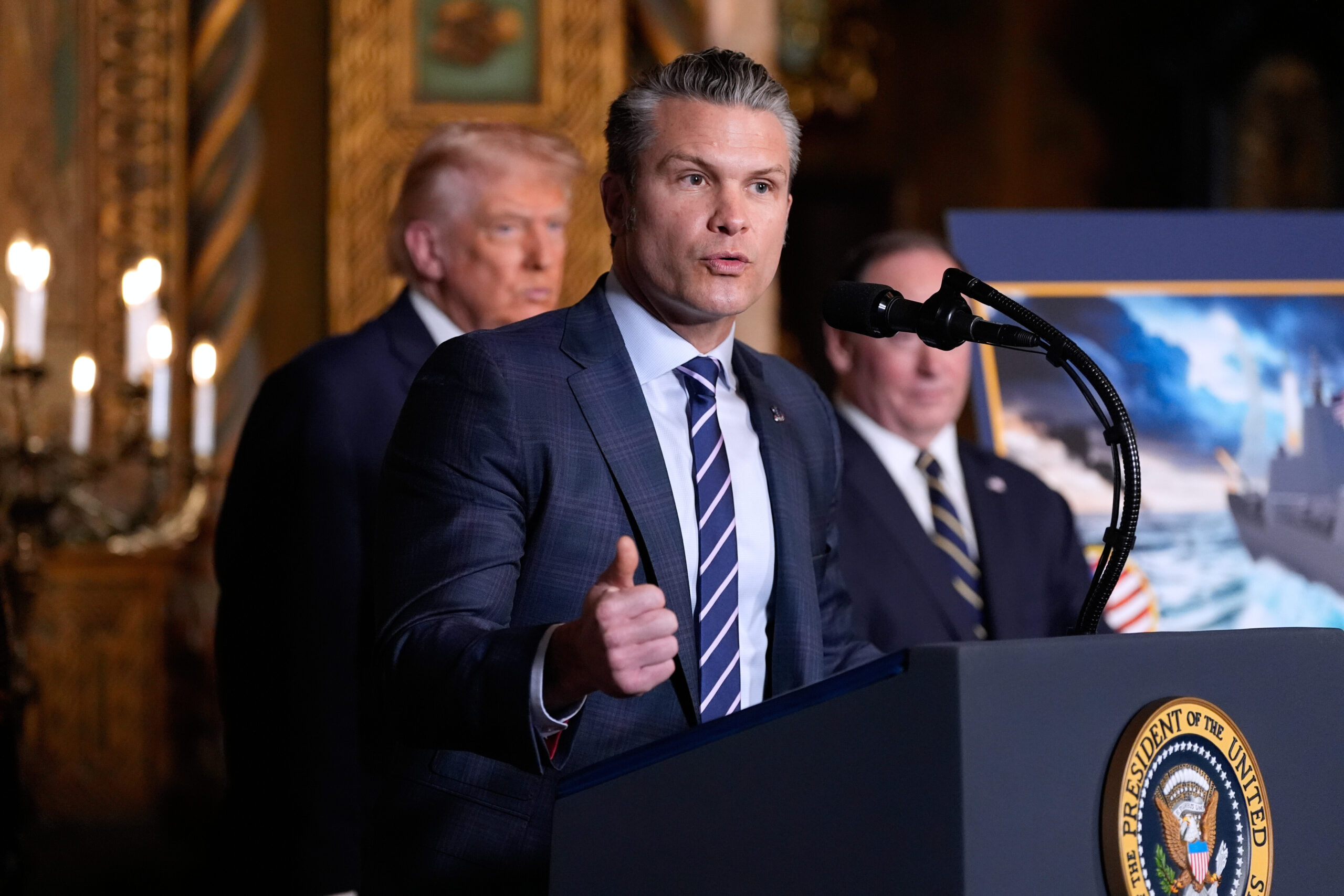
The remarks followed a briefing by senior administration officials to lawmakers, revealing that the U.S. intends to exert effective control over the sale of Venezuelan oil for the foreseeable future. During the discussions led by Secretary of State Marco Rubio and Defense Secretary Pete Hegseth, a three-phase approach was proposed for the stabilization and recovery of Venezuela, which includes the removal of Nicolás Maduro from power.
Strategic Approach to Venezuela’s Oil Sector
Rubio described the first phase of this initiative as a “quarantine,” which would involve ongoing seizures of sanctioned oil and the sale of between 30 million and 50 million barrels on the open market. The U.S. would manage the proceeds, ensuring they are directed towards benefiting Venezuelans rather than the previous regime’s officials.
The subsequent phase aims to reopen the Venezuelan market and foster the rebuilding of civil society. However, the specifics regarding the political transition remain unclear. Trump refrained from discussing a timeline for potential elections in Venezuela and did not clarify why he recognized Delcy Rodríguez, a former ally of Maduro, as the interim leader, rather than supporting opposition figures.
The administration’s strategy reflects a broader commitment to reshaping the Venezuelan political landscape and addressing the humanitarian crisis that has unfolded under Maduro’s rule. As the situation develops, the U.S. government is expected to continue its engagement with Venezuelan representatives to ensure that the recovery efforts align with the needs of the population.
In conclusion, Trump’s statements signal a long-term U.S. involvement in Venezuela, particularly in its oil sector, with a focus on both economic recovery and political transition. The implications of this policy will likely resonate throughout the region as the U.S. navigates its role in Venezuelan affairs.