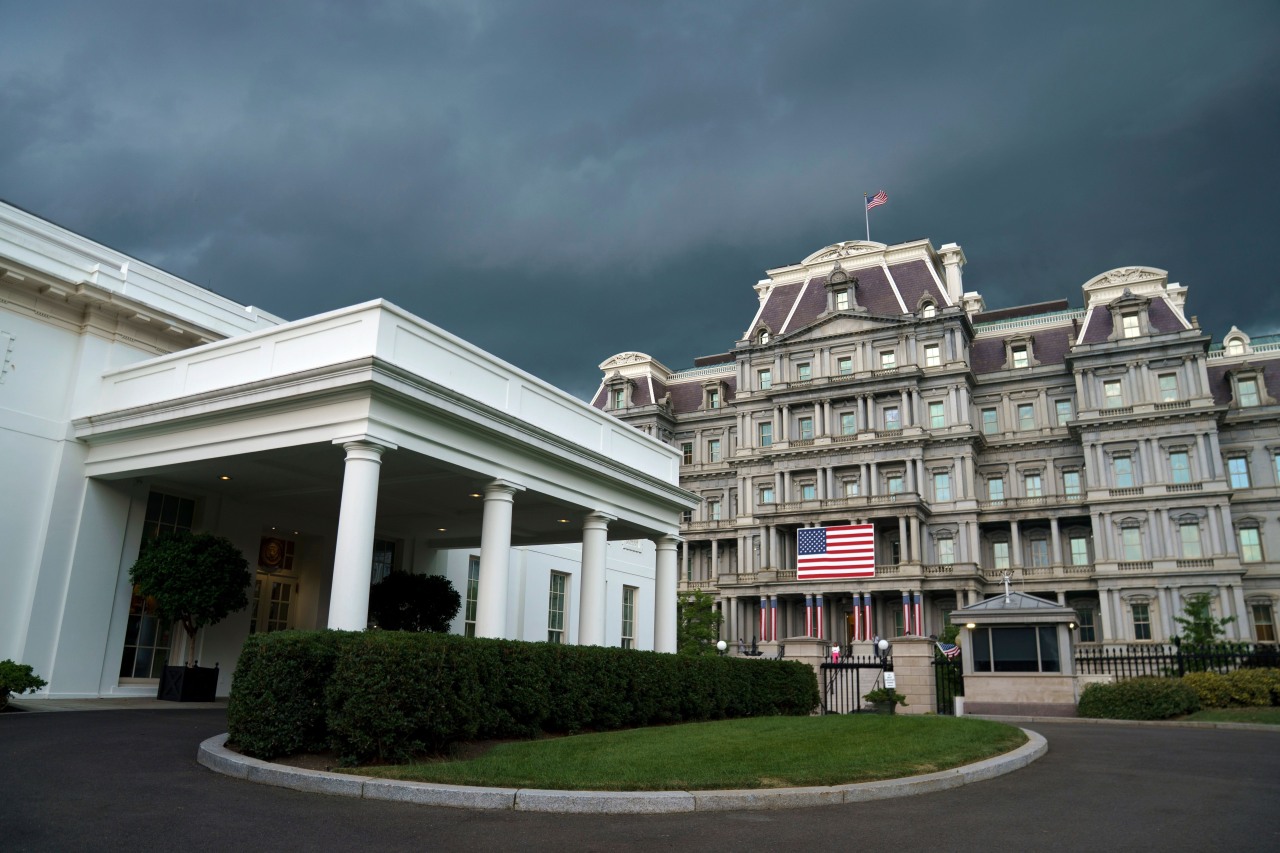
Former President Donald Trump has initiated an extensive renovation of the White House, a move that is now sparking legal disputes with nearby residents. The plans include painting a prominent federal building white and constructing a new ballroom within the historic residence, which some neighbors argue could disrupt the character of the area and violate local regulations.
The renovation efforts began shortly after Trump returned to the White House in August 2023. While the former president aims to modernize the iconic residence, the proposed changes have not been met with universal approval. Local residents are raising concerns over the potential impact on the neighborhood, citing the need to preserve the historic integrity of the area.
Legal Fallout from Renovation Plans
Trump’s renovation ambitions have led to formal complaints from several neighbors who claim that the modifications could significantly alter the neighborhood’s aesthetic. These residents argue that the proposed white paint for the federal building is not in keeping with the area’s traditional architecture. They assert that the new ballroom could increase traffic and noise, further disrupting the community’s tranquility.
Local officials have been drawn into the dispute as they navigate the legal challenges stemming from Trump’s renovation plans. According to a spokesperson for the city council, the administration is reviewing the complaints and assessing whether the proposed renovations adhere to existing zoning laws and preservation guidelines. The spokesperson emphasized the importance of community input in any significant alterations to public spaces.
While Trump has expressed his commitment to enhancing the White House’s facilities, the pushback from neighbors highlights the complexities of managing historical properties amid modern demands. The legal ramifications of these renovations could have lasting effects on both the Trump administration’s relationship with the local community and the broader implications for public policy regarding federal properties.
Community Reactions and Future Implications
Reactions from the community have been mixed. Some residents support Trump’s vision for a revitalized White House, believing that the renovations could bring new life to the historic residence. Others, however, caution against changes that may compromise the neighborhood’s charm and historical significance.
As the legal disputes continue, the focus will shift to how the Trump administration addresses these neighborhood concerns while pursuing its renovation goals. The outcome of this conflict could set a precedent for future renovations of government properties in residential areas, balancing modernization with preservation.
In the coming weeks, further developments are expected as local authorities and residents engage in discussions regarding the future of the White House renovations. The outcome of this legal battle may ultimately shape not only Trump’s plans but also the relationship between federal entities and local communities across the nation.