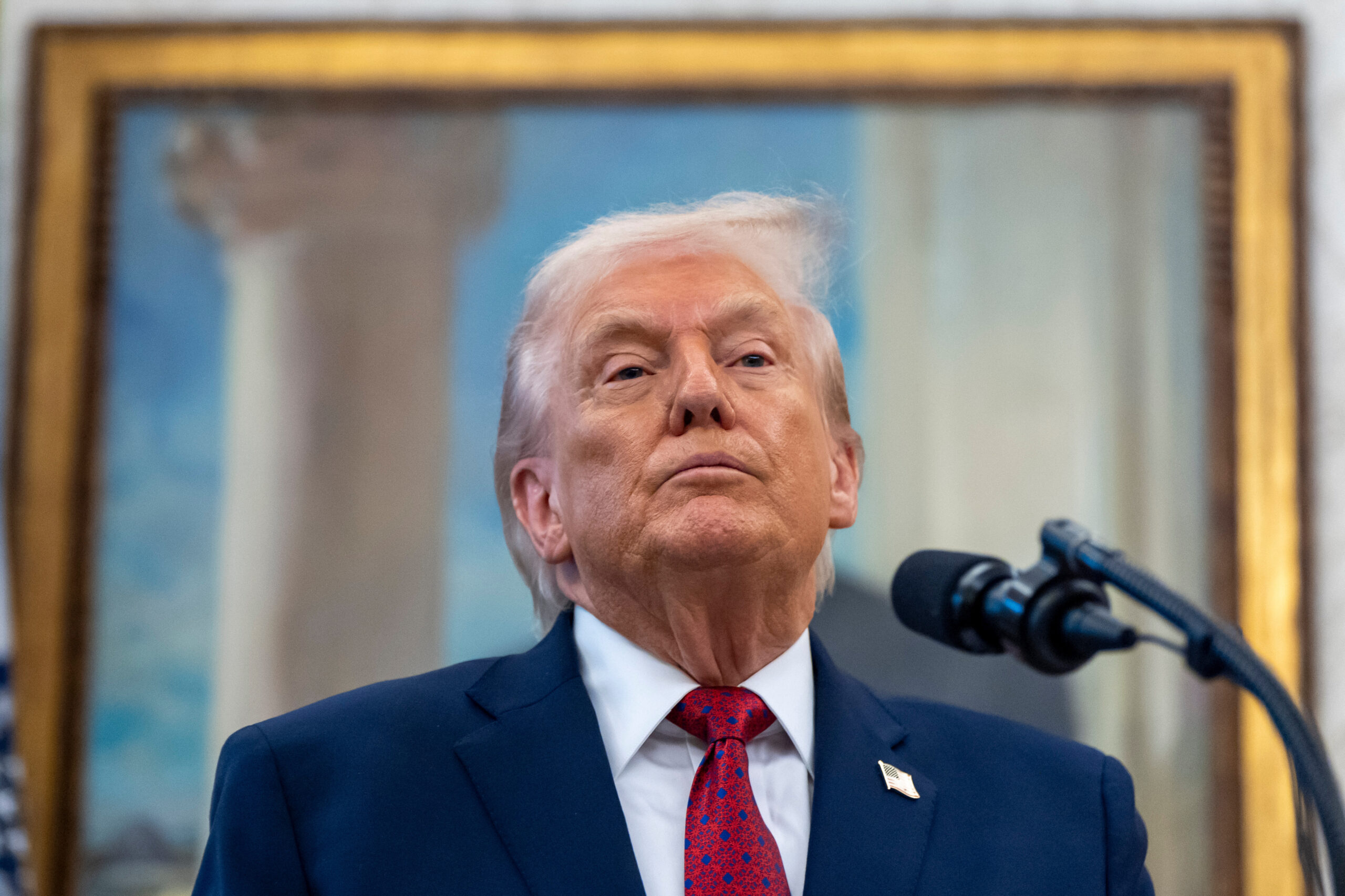
Former President Donald Trump has officially declared fentanyl a “weapon of mass destruction,” a significant designation that could reshape U.S. policy, particularly in relations with China. This announcement comes amid ongoing concerns about the influx of this potent synthetic opioid into the United States, which has been linked to a surge in overdose deaths across the country.
Trump’s declaration has far-reaching implications, especially for how the U.S. approaches drug trafficking and its military posture in the Western Hemisphere. During a speech on September 20, 2023, Trump outlined his administration’s commitment to combating the fentanyl crisis, emphasizing the need for a robust response to what he characterized as a national security threat.
Impact on U.S.-China Relations
The designation of fentanyl as a weapon of mass destruction could intensify diplomatic tensions with China, where much of the world’s fentanyl is manufactured. In his speech, Trump stated that the U.S. must hold China accountable for its role in the drug trade, which has been a focal point of U.S. drug policy for several years.
According to the Drug Enforcement Administration (DEA), fentanyl is responsible for a significant number of fatalities in the U.S., with more than 100,000 overdose deaths reported in 2022 alone. By labeling it a weapon of mass destruction, Trump aims to galvanize support for stricter measures against drug trafficking and enhance military readiness to tackle this burgeoning crisis.
Military Buildup in Response
The classification may also prompt an increase in military resources allocated to the region as part of a broader strategy to counteract drug trafficking networks. Trump hinted at a potential military buildup, asserting that the U.S. will not tolerate the flow of fentanyl into its borders. “We will do whatever it takes to protect our citizens,” he stated, indicating a willingness to use military options if necessary.
This declaration aligns with Trump’s historical focus on border security and drug enforcement, themes that resonated strongly with his base during his presidency. The announcement is likely to influence future policies and funding decisions regarding the U.S. military’s operations in areas known for drug production and trafficking.
The implications of this declaration are profound, with critics and supporters alike weighing in on its potential effectiveness. While some argue that a military approach could escalate tensions, others believe it is necessary to combat the opioid crisis effectively.
As the U.S. grapples with rising drug-related deaths, Trump’s designation of fentanyl as a weapon of mass destruction marks a critical turning point in the nation’s approach to drug policy and international relations. The fallout from this announcement will likely unfold in the coming months, shaping both diplomatic and military strategies in a region increasingly affected by the global drug trade.