The recent military operation in Venezuela, which resulted in the capture of President Nicolás Maduro and his wife Cilia Flores, has ignited a fierce debate among U.S. lawmakers. President Donald Trump ordered the strikes on military targets in Caracas without seeking the necessary authorization from Congress, raising questions about the legality of the action.
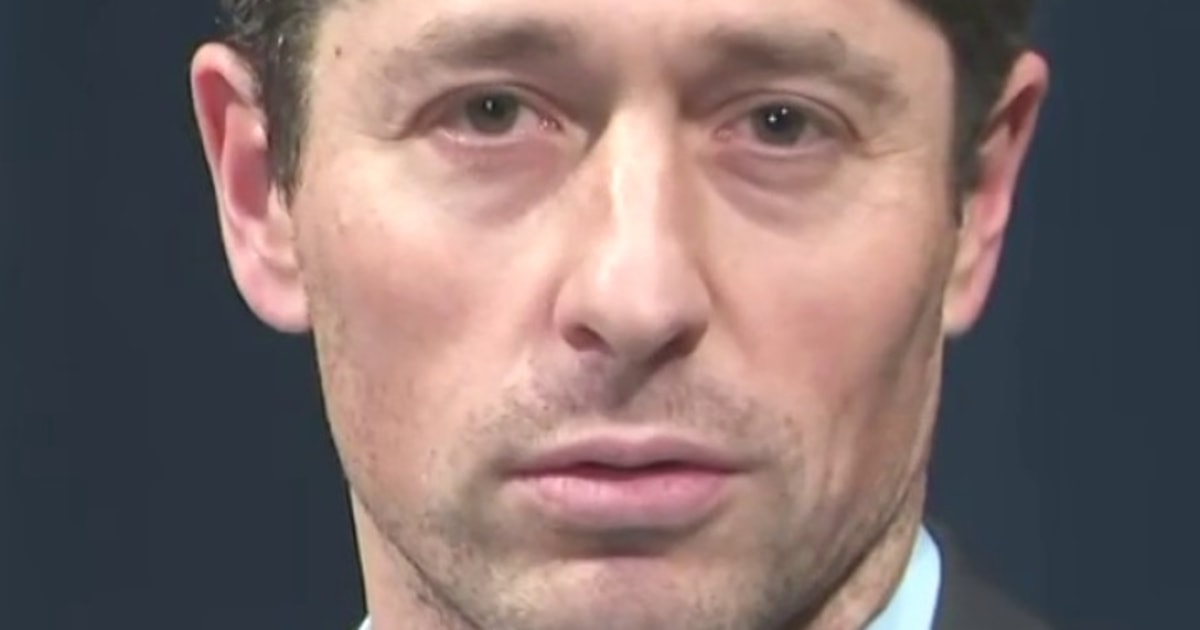
Democratic lawmakers criticized Trump’s decision, arguing that it represents a dangerous overreach of presidential authority. Senator Andy Kim expressed these concerns in a statement, stating, “This strike doesn’t represent strength. It’s not sound foreign policy.” He highlighted the potential risks posed to Americans in Venezuela and the broader implications for U.S. relations with other nations. Kim further emphasized the need for Congress to conduct extensive hearings regarding the operation and its impact on democracy in Venezuela.
Concerns Over Legal Authority and Military Action
Critics of the operation noted that Venezuela posed no imminent threat to the United States, labeling the raid as reckless and an example of elective regime change without a clear strategy for the aftermath. “Wars cost more than trophies,” Kim asserted, questioning the reasoning behind the military action.
In response, Trump and Secretary of State Marco Rubio defended the operation during a news conference at Mar-a-Lago. They argued that the planning and execution of the raid required secrecy to avoid alerting Venezuelan authorities. The administration claimed that the operation falls within the president’s inherent authority under Article II of the U.S. Constitution, which allows for protective measures concerning U.S. personnel.
Despite the administration’s assertions, the lack of congressional approval has raised significant legal questions. Lawmakers from both parties are now calling for a reevaluation of the legal framework surrounding military operations, particularly those involving foreign leaders.
Reactions from Lawmakers and the International Community
Responses to the operation have varied among lawmakers. While some Democrats have condemned the raid as illegal, others have labeled the capture of Maduro as welcome news. The polarized views reflect a broader division regarding U.S. foreign policy and military intervention.
As the situation unfolds, the implications of this operation on U.S.-Venezuela relations and international norms regarding state sovereignty remain to be seen. The capture of Maduro, who faces criminal narcotics charges in the U.S., raises complex questions about the role of military action in addressing international crises.
Moving forward, the focus will likely remain on the legal and political ramifications of Trump’s decision, as well as the broader impact on U.S. foreign policy in Latin America. Lawmakers are expected to continue discussions on the necessity of congressional oversight in military actions abroad, setting the stage for a contentious political landscape in the coming months.