President Donald Trump announced a significant shift in U.S. Naval strategy on December 22, 2023, with plans to construct a new class of battleships, dubbed the “Trump class.” This initiative, part of his proposed “Golden Fleet,” has met with immediate criticism from lawmakers and defense experts who question its viability and strategic relevance.
Critics, including U.S. Representative Joe Courtney, the ranking member of the House Armed Services Committee’s Seapower Subcommittee, have expressed skepticism about the need for a return to battleship construction. Courtney stated, “I would love to have a hearing on the Seapower Subcommittee on how battleships make any sense, given what we have already got in the hopper.” He emphasized that modern naval warfare relies on submarines, destroyers, and carriers, which distribute seapower more effectively than battleships, which are viewed as vulnerable to contemporary missile technology.
Trump’s announcement, made during a press conference absent of uniformed Navy personnel, proposed a fleet of up to 25 battleships with each potentially costing as much as $15 billion for the first vessel. This plan is seen as a departure from decades of naval strategy that prioritizes stealth and maneuverability, qualities that have made the U.S. submarine fleet a key asset in national defense.
The Congressional Research Service highlighted that the design and construction timeline for the Trump class could push the first ship’s entry into service into the late 2030s or early 2040s, raising further questions regarding its relevance in an evolving maritime landscape. Courtney noted that the Pentagon’s recent report on military developments concerning China underscored the vulnerabilities of large surface ships, particularly in light of advancements in anti-ship missile technology.
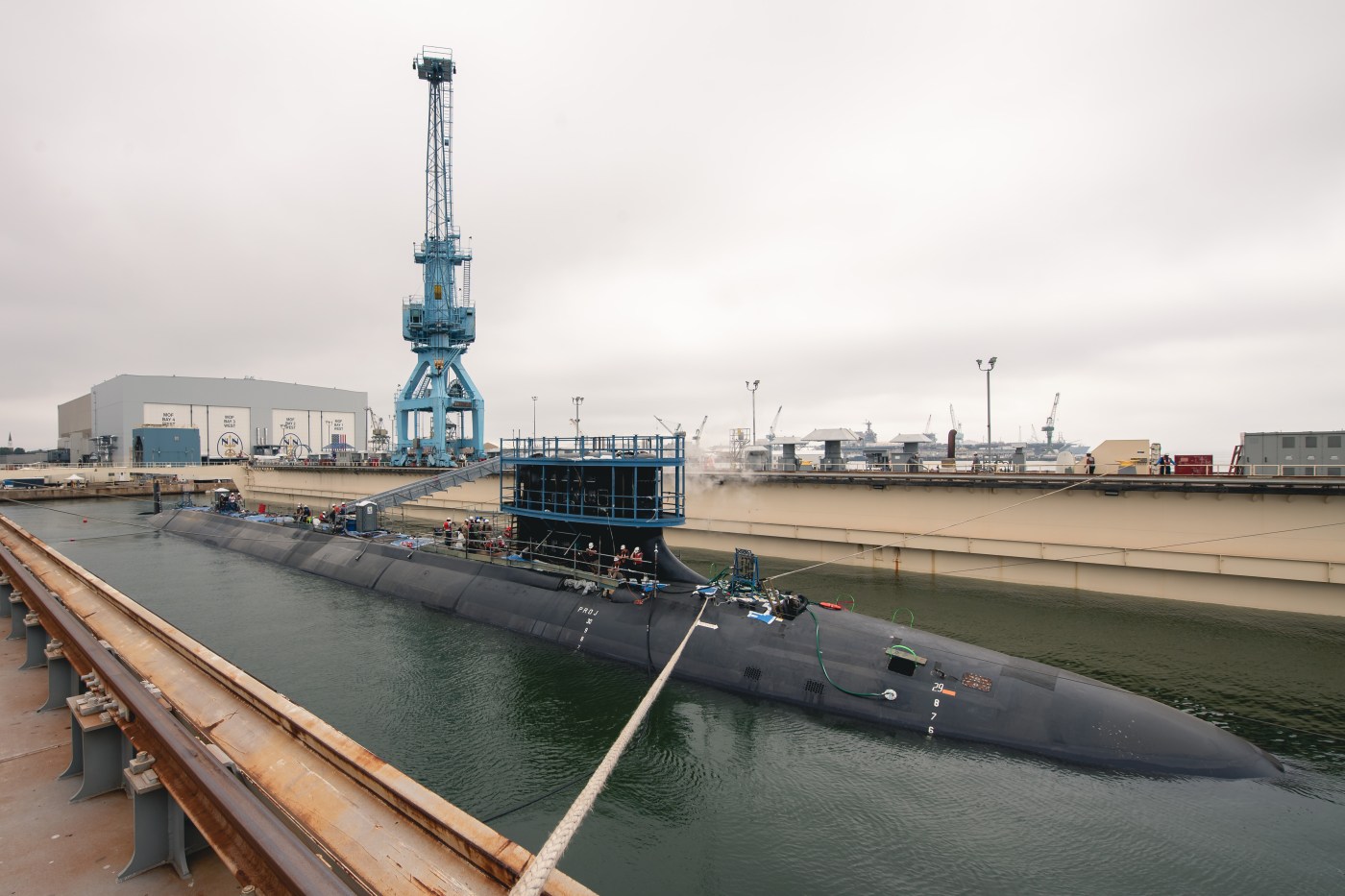
While Trump has framed this initiative as a necessary modernization of the naval fleet, critics argue that the focus should remain on enhancing submarine capabilities. The U.S. Navy has been investing heavily in its submarine industrial base, with plans for multiple Virginia-class and Columbia-class submarines. These vessels are designed to counterbalance China’s growing military presence in the Indo-Pacific region, where U.S. defense strategy increasingly relies on stealth and precision strike capabilities.
Courtney, whose district includes Electric Boat in Groton, Connecticut, which constructs submarines, expressed concern that pursuing battleships could detract from essential submarine construction efforts. He stated, “Wherever talk of funding battleships goes, it should not affect submarine construction at the Electric Boat shipyards, where employment is booming.”
The juxtaposition of Trump’s battleship ambitions with current defense priorities reflects a broader debate within Congress about military spending and strategy. The recently approved defense budget includes significant funding for submarine production, emphasizing the need to maintain and expand the U.S. undersea fleet.
Analysts have raised doubts about the feasibility of the “Golden Fleet” initiative, predicting it may face substantial legislative hurdles. Mark F. Cancian, a senior adviser at the Center for Strategic and International Studies, noted, “A future administration will cancel the program before the first ship hits the water.”
As the debate unfolds, the implications of the “Golden Fleet” proposal extend beyond military strategy, potentially impacting the shipbuilding industry and the workforce that supports it. With the number of subcontractors in the submarine industrial base shrinking from approximately 15,000 during the Cold War to around 3,000 to 4,000 today, maintaining a robust production pipeline is critical.
The conversation surrounding the “Golden Fleet” raises essential questions about the future of U.S. naval power and the direction of military strategy in an increasingly complex global landscape. As Congress reconvenes, the scrutiny of this ambitious plan is expected to intensify, with key figures like Courtney advocating for a reassessment of priorities in naval defense. The outcome could significantly shape the trajectory of U.S. military capabilities for decades to come.