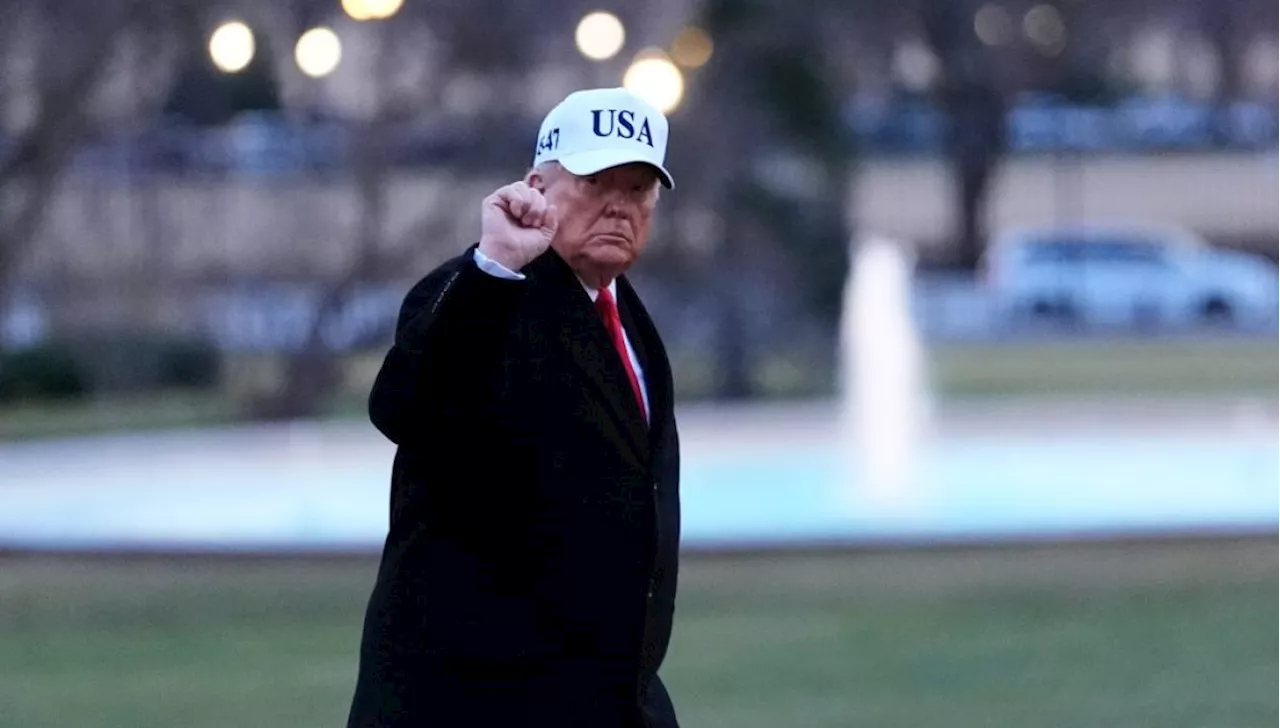
Donald Trump delivered a confrontational State of the Union address on March 5, 2024, to a Congress sharply divided along partisan lines. This address comes as a significant moment in Trump’s presidency, featuring claims of economic success that many voters do not seem to recognize. In a notable development, the Supreme Court issued a ruling against the president’s expansive tariffs, marking a rare judicial rebuke. Additionally, the Pentagon has laid down an ultimatum to the artificial intelligence company, Anthropic AI.
Trump’s speech emphasized what he termed an economic turnaround, despite many Americans feeling financial strain. According to reporting from The Wall Street Journal, Trump attempted to persuade the public to overlook economic hardships by asserting that his administration is “winning” the economy. This contradiction between Trump’s optimistic rhetoric and the realities faced by average citizens has raised eyebrows among political analysts and citizens alike.
Supreme Court’s Rejection of Tariffs
In a significant judicial decision, the Supreme Court struck down Trump’s tariffs, which he had imposed on numerous imports as part of his trade policy. The ruling serves as a vital check on presidential power concerning trade matters. Legal experts note that this decision reinforces Congress’s authority over taxation and trade, pushing back against the executive’s expansive interpretation of its powers. As highlighted by SCOTUSblog, the conservative justices displayed differing opinions on the rationale behind their decision, showcasing the complexities within the Court.
The tariffs had been a central part of Trump’s economic agenda, and their rejection raises questions about the future of his trade policies as the nation approaches the midterm elections. Critics argue that the tariffs were detrimental to consumers and businesses alike, leading to higher prices on everyday goods.
Pentagon’s Ultimatum to Anthropic AI
Meanwhile, the Pentagon issued an ultimatum to Anthropic AI regarding its commitment to safety in artificial intelligence development. This ultimatum follows concerns about the rapid advancements in AI technology and the potential risks associated with its deployment in military applications. According to The New York Times, Anthropic AI has been under scrutiny for its failure to adhere to previously agreed safety pledges, prompting the Pentagon to take a more aggressive stance.
The implications of this ultimatum could be significant for the future of AI in defense, as government officials seek to ensure that technological advancements do not outpace regulatory frameworks. Tensions between innovation and regulation continue to rise as the military grapples with the ethical considerations surrounding AI.
As the political landscape evolves, the debates surrounding Trump’s economic claims, the Supreme Court’s rulings, and the Pentagon’s actions reflect broader concerns about governance and accountability. The coming weeks will be crucial as these issues continue to unfold, particularly with the midterm elections on the horizon and public sentiment increasingly divided.
Listeners can catch more insights and discussions on these topics through the Political Gabfest, hosted by Emily Bazelon, John Dickerson, and David Plotz, which delves deeper into the implications of these developments. The podcast provides an engaging platform for exploration of current events and political analysis.