The United States has called on China to exercise restraint following a series of military drills around Taiwan that simulate a blockade of the island. On Thursday, the US Department of State characterized China’s actions and aggressive rhetoric as unnecessary provocations that increase regional tensions.
According to State Department spokesman Tommy Pigott, “China’s military activities and rhetoric toward Taiwan and others in the region increase tensions unnecessarily. We urge Beijing to exercise restraint, cease its military pressure against Taiwan, and instead engage in meaningful dialogue.” He emphasized that the United States supports peace and stability across the Taiwan Strait and opposes any unilateral changes to the status quo, particularly those involving force or coercion.
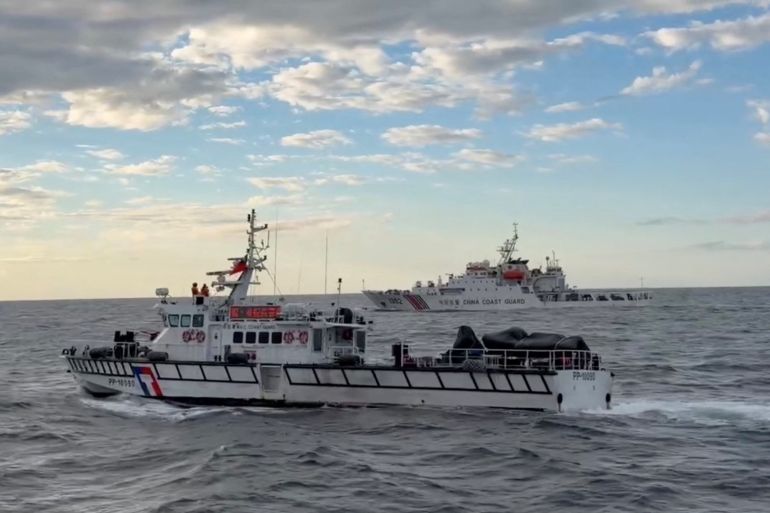
Earlier this week, China conducted extensive military exercises, including missile launches and the deployment of jets and naval vessels, to simulate military actions aimed at encircling Taiwan. Beijing views Taiwan as a part of its territory and has expressed a commitment to bringing the island under its control.
While these drills have become more common, they have had minimal impact on daily life in Taiwan, a self-governed entity with a unique status that the US has not officially defined. Nonetheless, the assertive posture from Beijing has drawn sharp condemnation from Taiwanese officials. Concerns have also been heightened due to China’s crackdowns in regions like Hong Kong, which have heightened skepticism about the potential for peaceful reunification.
Taiwanese President William Lai Ching-te addressed the situation, stating, “As president, my stance has always been clear: to resolutely defend national sovereignty and strengthen national defence.” He has proposed increasing Taiwan’s military budget by $40 billion, though this proposal currently faces challenges in the legislature, where the opposition party holds a majority. Lai emphasized that the upcoming year, 2026, will be critical for Taiwan, calling for preparations for the worst while maintaining hope for the best.
Despite frequent expressions of support for Taiwan from US lawmakers, American policy towards the island has long been characterized by ambiguity. Currently, there is no explicit assurance of military support in the event of a Chinese invasion. Recently, the US approved an $11 billion arms package for Taiwan.
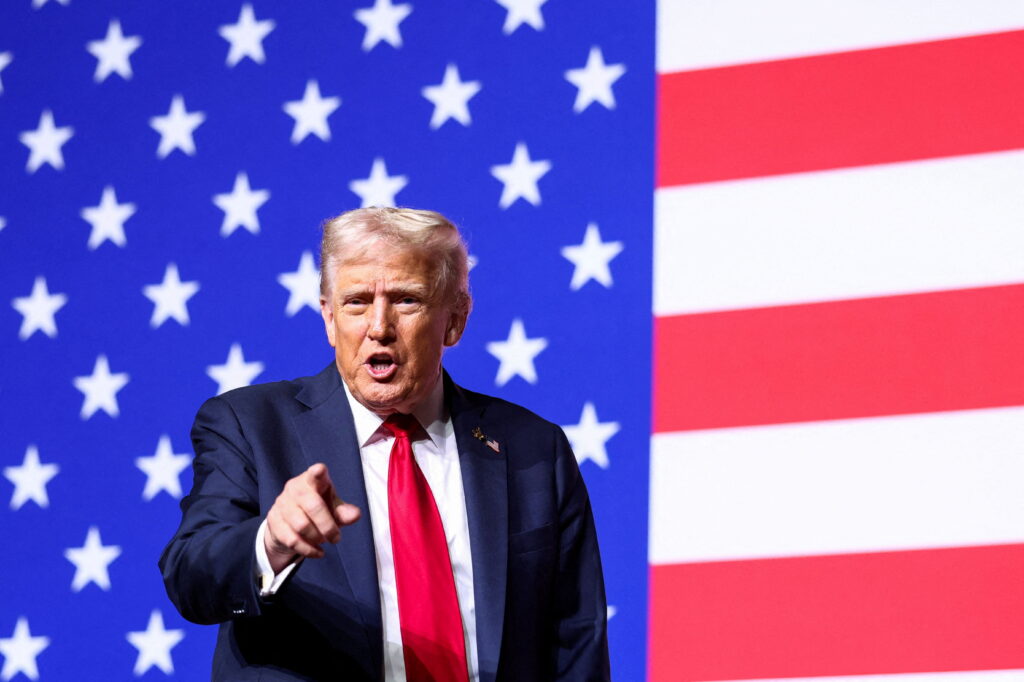
Former President Donald Trump commented on the situation, stating he does not believe China has imminent plans to invade Taiwan. He noted, “I have a great relationship with [Chinese] President Xi Jinping. And he hasn’t told me anything about it. I certainly have seen it. They’ve been doing naval exercises for 20 years in that area.”
The ongoing military tensions around Taiwan reflect a complex geopolitical landscape, with significant implications for peace and stability in the region. The United States continues to monitor the situation closely, advocating for dialogue over confrontation.