The White House confirmed that a double-tap airstrike conducted on September 2, 2023, against a suspected drug boat was executed in self-defense. This statement comes amidst significant backlash regarding the legality and ethics of the operation, which involved a follow-up attack on survivors of the initial strike. Critics, including some lawmakers, have characterized the second strike as a potential war crime.
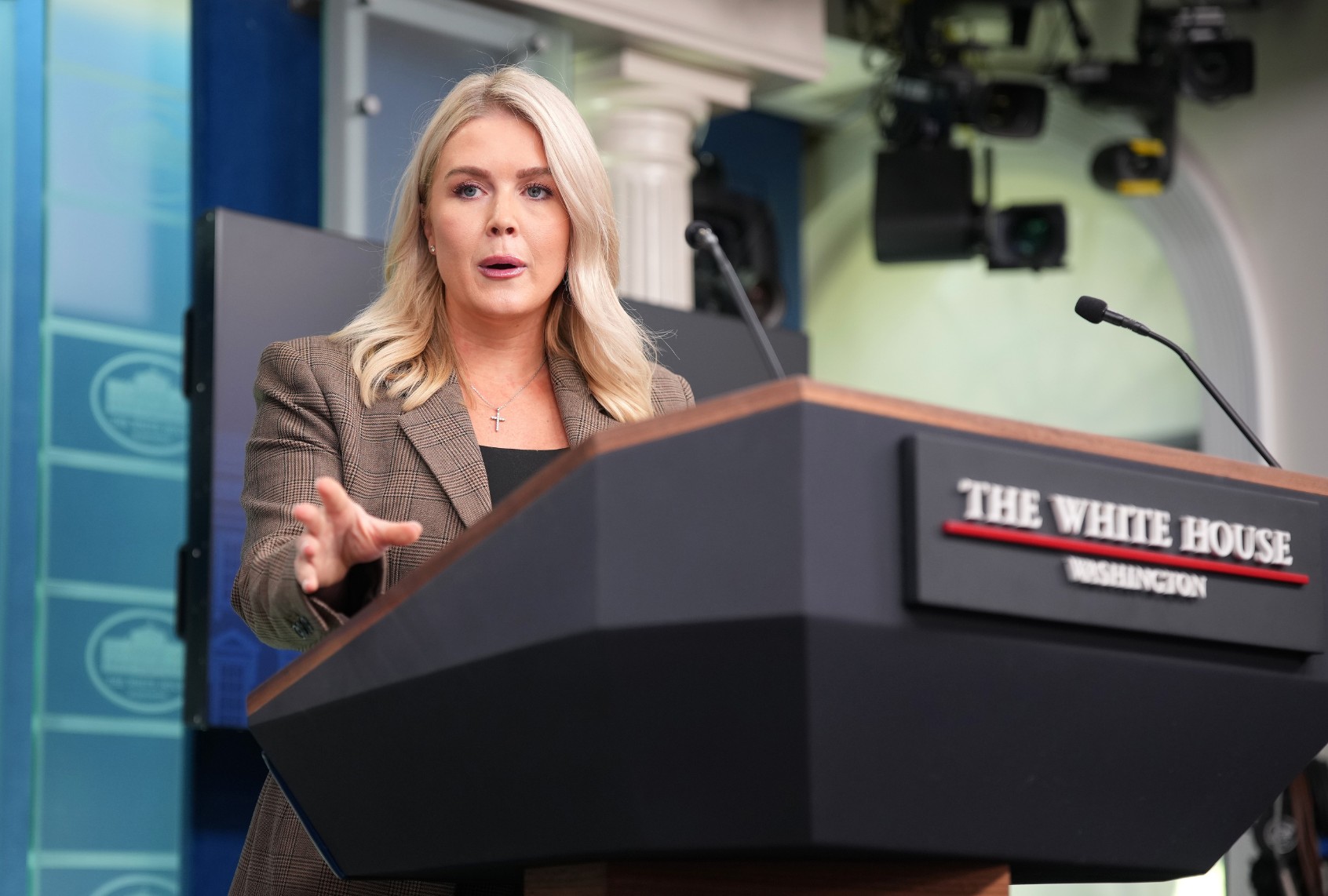
During a press briefing, White House Press Secretary Karoline Leavitt stated that the order for the second strike was issued by Admiral Frank Bradley, who acted “well within his authority and the law.” Leavitt asserted that both President Donald Trump and Secretary Pete Hegseth have made it clear that groups designated as narco-terrorists by the U.S. government are subject to lethal targeting in accordance with the laws of war.
Criticism of the airstrike intensified following a report by the Washington Post, which revealed that Secretary Hegseth allegedly instructed his subordinates to “kill them all” prior to the operation. Hegseth has since denounced this characterization as “fake news,” asserting that the attacks were compliant with both U.S. and international law. He defended the operations on social media, claiming they were lawful and received approval from military and civilian legal experts throughout the command chain.
International Reactions and Legal Concerns
The airstrike has drawn condemnation from various human rights advocates. The United Nations Human Rights Chief labeled the strikes on alleged drug boats as “unacceptable,” emphasizing that they lacked adequate justification. This criticism highlights the complex ethical landscape surrounding military operations targeting suspected drug traffickers, particularly when such actions may result in civilian casualties.
Senator Kelly has also weighed in, suggesting that the nature of Hegseth’s orders raises serious legal questions, potentially amounting to a war crime. These statements reflect growing concerns among lawmakers regarding the application of military force in drug enforcement operations, particularly in the Caribbean region.
The airstrike incident underscores a broader debate about the intersection of national security and human rights, especially as drug trafficking remains a persistent challenge for numerous countries.
As discussions continue, the White House maintains that its actions adhere to legal frameworks designed to combat terrorism and drug trafficking effectively. The implications of this operation will likely resonate throughout both political and military discussions in the coming weeks.