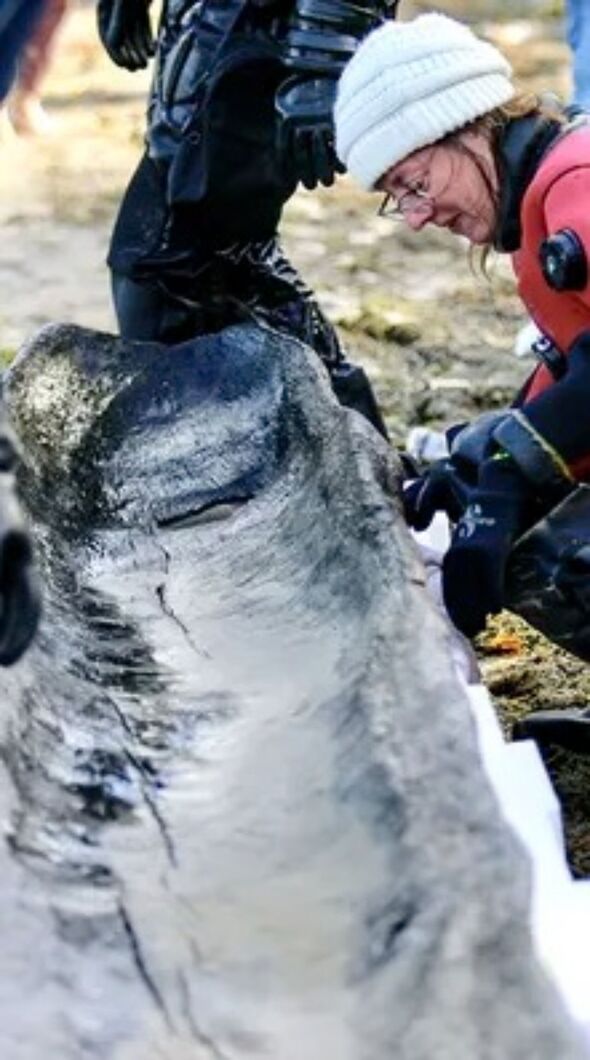
Archaeologists in Wisconsin have made significant discoveries at Lake Mendota, where they recovered a 1,200-year-old dugout canoe in 2021. Recent research suggests there are even older vessels in the lake, some potentially predating the Great Pyramid of Giza. This remarkable finding highlights the area’s rich prehistoric heritage.
Lake Mendota, a 9,781-acre body of water in Madison, was the site of the initial discovery, where the canoe was found submerged at a depth of 24 feet. Following this, in 2022, archaeologists unearthed additional canoes, with ages ranging from 3,000 years to 4,500 years. This ongoing project has led to the recovery of at least 16 canoes, indicating a long-standing tradition of canoe usage in the region.
Shared Canopy: A Historical Perspective
The vessels appear to have been intentionally placed in the lake for communal use, akin to modern e-bike racks. According to Tamara Thomsen, a maritime archaeologist with the Wisconsin Historical Society, “It’s a parking spot that’s been used for millennia, over and over.” She explains that these canoes were likely interred in sediment in waters ranging from waist to chest deep to preserve them from drying out or freezing.
Travelers may have utilized these canoes to journey to nearby Lake Wingra, a 321-acre lake located south of Madison. State archaeologist Dr. Amy Rosebrough noted that the discovery of these ancient vessels provides insight into the travel and trade practices of Indigenous communities in the area.
The oldest canoe recovered to date is approximately 5,200 years old, making it the third oldest known dugout canoe in eastern North America. The two oldest canoes were found in Florida, with the oldest dating back around 7,000 years.
Connecting with History
The finds at Lake Mendota resonate deeply with the local Indigenous community. Bill Quackenbush, tribal preservation officer for the Ho-Chunk Nation, expressed the historical significance of these canoes, stating, “The canoes remind us how long our people have lived in this region and how deeply connected we remain to these waters and lands.” The Madison area is recognized as part of the ancestral homeland of the Ho-Chunk Nation.
According to Thomsen, Wisconsin experienced a drought that began approximately 7,500 years ago, lasting until around 1,000 B.C.. During this time, Lake Mendota would have been much shallower, likely only 4 feet deep, creating favorable conditions for foot travel and canoe usage.
Thomsen emphasizes the potential for further discoveries, noting that if the drought extended back 7,500 years and researchers continue to find canoes layered beneath others, there is a possibility of uncovering vessels dating back even further. This could indicate that Indigenous communities predating many of Wisconsin’s current tribes utilized the lake.
This archaeological project has been particularly meaningful for Thomsen, as it allows her to work closely with Wisconsin tribes, appreciating their heritage and sharing their narratives. “I think I’ve shed more tears over this,” she reflected. “Talking with the Indigenous people, sometimes I sit here and just get goosebumps. It just feels like (the work is) making a difference. Each one of these canoes gives us another clue to the story.”
The ongoing research at Lake Mendota not only enriches our understanding of the past but also strengthens ties between contemporary communities and their ancient heritage.