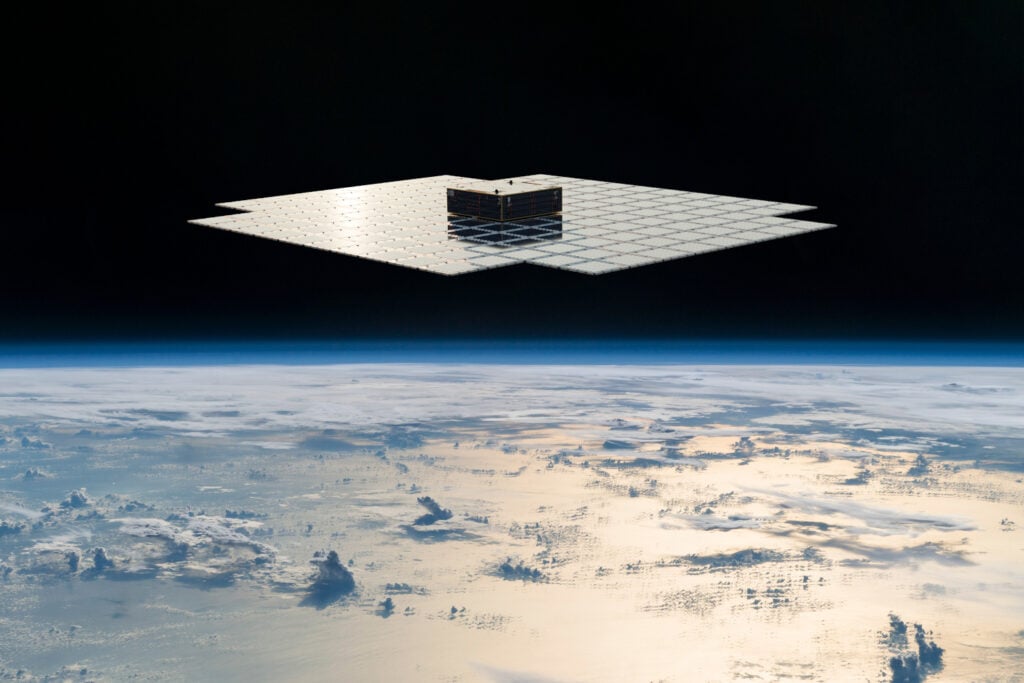
AST SpaceMobile successfully launched its largest satellite, BlueBird 6, on December 23, 2023, marking a significant step in the race for space-based cellular networks. The satellite, which lifted off aboard India’s LVM3 rocket from the Satish Dhawan Space Center at 22:25 ET, is designed to provide direct cellular broadband connectivity accessible from standard mobile devices.
BlueBird 6 represents the first of AST SpaceMobile’s next-generation satellites, and is approximately three times larger than its predecessors. This makes it the largest commercial satellite currently in orbit around the Earth. The satellite is a critical component of AST’s strategy to compete with SpaceX’s Starlink, which has dominated the market with its extensive satellite network.
Expanding Satellite Network
AST SpaceMobile’s journey began with the launch of its first satellite, BlueWalker 3, in September 2022. This earlier model facilitated the first 5G phone call from space, connecting with a regular Samsung Galaxy S22. Following that breakthrough, AST has successfully launched five additional satellites, all named BlueBird, with plans to deploy a total of 243 satellites in the coming years.
Once fully deployed, BlueBird 6 will feature a massive array that expands to 2,400 square feet (approximately 223 square meters). This is a significant increase from its predecessor, which had an array size of 693 square feet (about 64 square meters). The enhanced size will allow the BlueBird satellites to support up to 10 gigahertz of bandwidth and deliver data speeds of 120 megabytes per second for each mobile device.
AST aims to launch between 45 and 60 more satellites by the end of 2026, with initial services planned for the United States and select international markets. The company claims its direct-to-cell service will require no additional hardware, offering a competitive edge over SpaceX’s offerings.
Competitive Landscape
While AST SpaceMobile has ambitious plans, it faces stiff competition from SpaceX, which operates over 9,000 satellites—approximately 60% of all satellites currently in orbit. SpaceX’s extensive network gives it an advantage in terms of coverage and established user base. Despite this, AST’s larger antennas on the BlueBird satellites could provide enhanced connectivity.
Tensions between the two companies have increased, particularly after SpaceX raised concerns with the Federal Communications Commission (FCC) regarding the sustainability of low Earth orbit due to AST’s operations. In July 2023, SpaceX alleged that AST SpaceMobile was spreading misinformation to undermine its work, while AST responded by accusing SpaceX of bullying tactics against its rivals.
As both companies continue to expand their satellite fleets, the competition for dominance in the realm of space-based cellular communications is intensifying, potentially impacting how people connect globally. As these satellites fill Earth’s orbit, they also alter our view of the night sky, raising questions about the future of space and its accessibility.