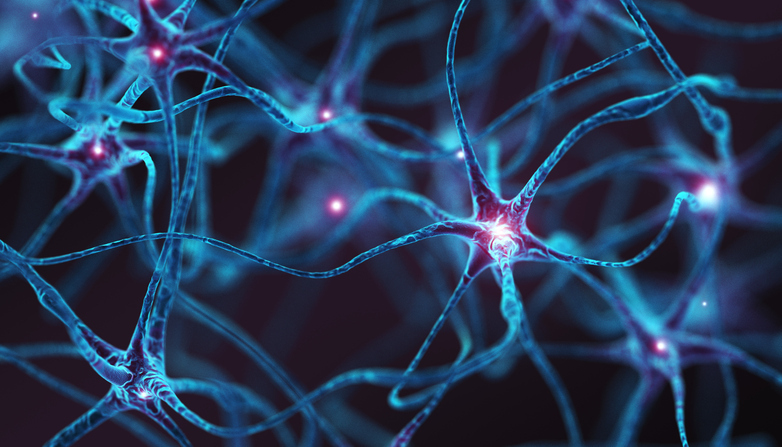
Research at the Salk Institute has revealed a significant breakthrough in understanding how the brain maintains its ability to adapt and reorganize neural circuits in adulthood. The study, published in the journal Nature, identifies the astrocyte-secreted protein CCN1 as a crucial factor in stabilizing neural circuits in the adult brain. This discovery may lead to new therapeutic approaches for neurological conditions, including Alzheimer’s disease, depression, and post-traumatic stress disorder (PTSD).
Historically, astrocytes were perceived merely as support cells in the brain. However, recent findings have clarified their active role in shaping brain circuitry. The researchers, led by Nicola Allen, PhD, co-director of the NOMIS Foundation-funded Neuroimmunology Initiative at Salk, emphasize that astrocytes are essential for maintaining the stability of sensory circuits in adults.
“This study establishes the crucial role of astrocytes in actively stabilizing the connectivity of neuronal circuits,” said Dr. Allen. The research illustrates how astrocytes can influence neuroplasticity, which is particularly notable as mammalian sensory circuits exhibit higher plasticity during younger developmental stages. As individuals mature, these circuits become more stable and less plastic, a transition necessary for functional connectivity.
To investigate this phenomenon, the research team focused on the mouse visual cortex. Through a combination of transcriptomic analysis, ex vivo electrophysiology, and in vivo imaging, the study demonstrated that an increase in CCN1 expression resulted in enhanced maturation of inhibitory neurons and oligodendrocytes. This maturation dampened neuroplasticity within the circuits.
Conversely, the removal of astrocyte CCN1 in adult mice led to the destabilization of binocular circuits and reduced myelination, highlighting the importance of CCN1 in maintaining circuit integrity. The manipulation of CCN1 levels could potentially reopen the window for neuroplasticity, offering new avenues for recovery and reconstruction of damaged circuits following injury or trauma.
Dr. Laura Sancho, PhD, a postdoctoral researcher in Allen’s lab and the first author of the study, noted, “Maintaining stable circuits is important for proper brain function, but the consequence is that neural plasticity and remodeling are repressed in the adult brain.” The findings not only elucidate the role of astrocytes in circuit maintenance but also suggest that CCN1 could serve as a therapeutic target for conditions associated with impaired neuroplasticity.
The research team’s exploration of CCN1 further revealed its interaction with various cell types, including excitatory and inhibitory neurons, oligodendrocytes, and microglia. By binding to integrin proteins on the surface of these cells, CCN1 coordinates their maturation and stabilizes adult brain circuits.
This work underscores the potential of astrocytes and their secreted proteins in regulating the balance between stability and plasticity in the adult brain. As research progresses, it may pave the way for innovative treatments aimed at enhancing neuroplasticity in individuals facing neurological challenges.
The findings from this study contribute to a growing body of evidence that highlights the vital role of non-neuronal cells in brain function and health. As neuroscience continues to unravel the complexities of the brain, the identification of CCN1 as a key player provides hope for future therapeutic strategies aimed at restoring neuroplasticity and improving outcomes for a range of neurological disorders.