A significant shift in climate patterns is causing a remarkable transformation in seaweed populations across the Atlantic Ocean. While a massive bloom of yellowish-brown seaweed has emerged along the Equator, a centuries-old patch in the North Atlantic is rapidly disappearing. This phenomenon highlights the complex interactions between climate change and marine ecosystems.
Research led by scientists from the University of California, Santa Barbara reveals that the patch of seaweed, known as sargassum, has reached unprecedented levels, particularly in the Caribbean and Gulf of Mexico. As of August 2023, the size of the bloom near the Equator has become a record-setting event, posing challenges for coastal communities and marine life.
The blooming sargassum is not just a story of growth; it is also a tale of environmental distress. The proliferation of this seaweed has been linked to nutrient pollution and changing ocean temperatures, both of which are exacerbated by climate change. The National Oceanic and Atmospheric Administration (NOAA) has reported that the excess nutrients from agricultural runoff and wastewater are fueling the rapid expansion of these blooms.
Conversely, the decline of the ancient sargassum patch in the North Atlantic raises questions about the future of marine ecosystems in the region. The patch, which has existed for centuries, is shrinking due to various factors, including increased ocean temperatures and changing currents. This loss could have far-reaching implications for marine species that rely on the patch for habitat and food.
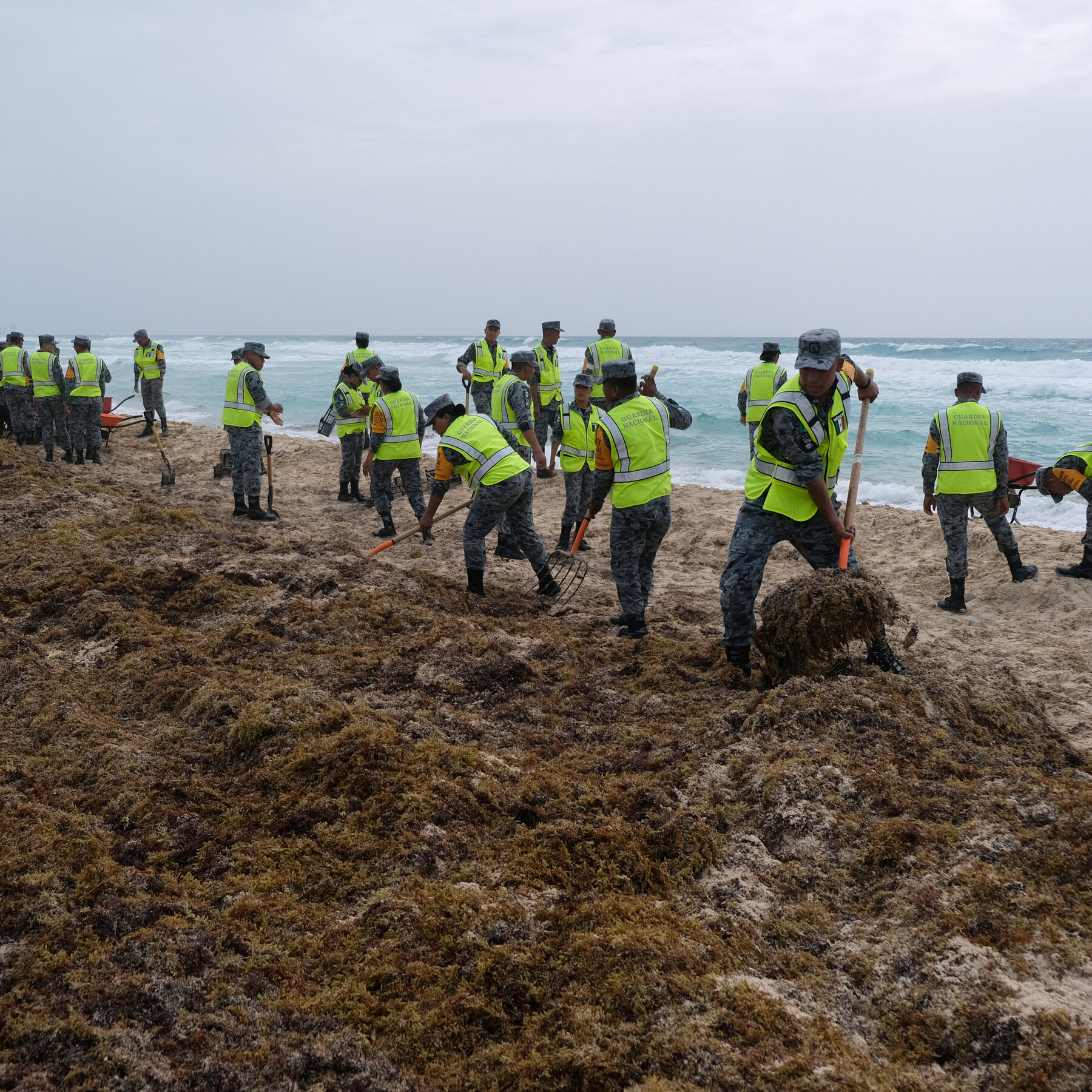
The massive growth of sargassum in the tropics has led to severe impacts on tourism and local economies. Beaches in popular destinations are being overrun with this seaweed, leading to unsightly conditions and driving away visitors. Communities are struggling to manage the cleanup efforts, which can be costly and labor-intensive.
In response to these environmental challenges, researchers are calling for more comprehensive studies to understand the long-term implications of these shifts. As marine ecosystems continue to change, effective management strategies will be essential to mitigate the impacts on local communities and wildlife.
The situation serves as a stark reminder of the interconnectedness of climate change and marine health. As scientists continue to study these changes, the need for global cooperation in addressing climate issues becomes increasingly vital. The ongoing research aims to provide insights into how best to adapt to these new realities and protect both marine ecosystems and coastal livelihoods.
In summary, the dual phenomena of increasing sargassum blooms and the decline of ancient patches illustrate the urgent need for action in the face of a changing climate. As communities grapple with the consequences, the international community must unite to tackle the underlying issues driving these significant shifts in marine environments.