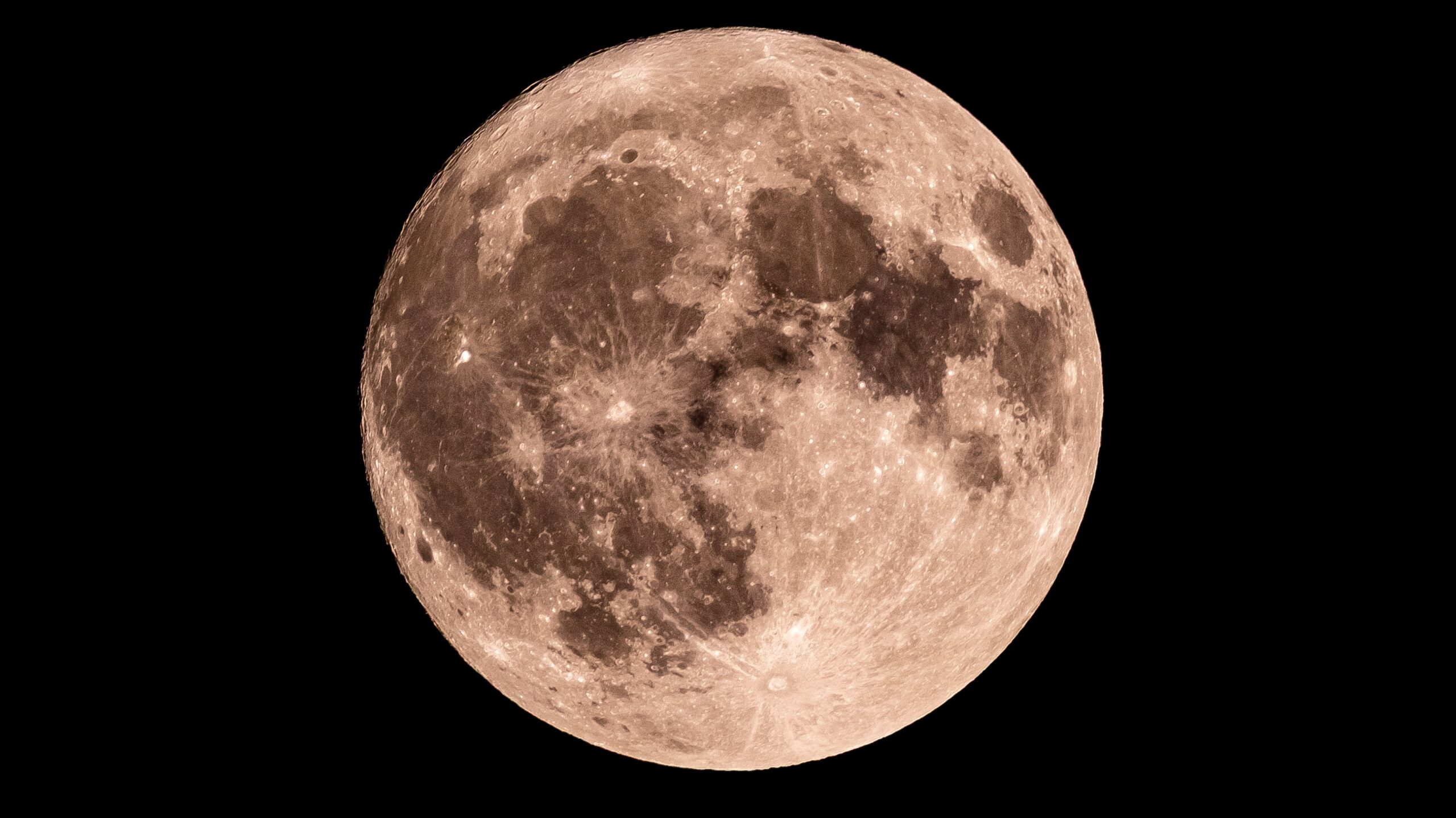
The Moon enters its Waning Crescent phase on January 11, marking the final stage before the New Moon. During this period, approximately 42% of the lunar surface will be illuminated, creating an ideal opportunity for enthusiasts and casual observers alike to explore its features without the need for special equipment.
The lunar cycle lasts about 29.5 days, during which the Moon completes its orbit around Earth and transitions through eight distinct phases. As of today, the Waning Crescent phase means the Moon is gradually losing its visible light as it approaches the New Moon, scheduled for February 1.
What to Observe Tonight
Tonight’s sky will offer a remarkable view for those looking to engage with lunar features. With the naked eye, observers can spot prominent landmarks such as the Aristarchus Plateau, Kepler Crater, and Tycho Crater. For those equipped with binoculars, additional features like the Grimaldi Basin, Clavius Crater, and the Mare Humorum will be visible. Utilizing a telescope will enhance the experience further, allowing viewers to identify the Apollo 12 landing site and the Schiller Crater.
The phases of the Moon are the result of its position relative to Earth and the Sun. As the Moon orbits, sunlight illuminates different portions, leading to the various appearances we observe from our planet.
Understanding Lunar Phases
NASA outlines that the lunar cycle encompasses eight primary phases:
– **New Moon**: The Moon is positioned between Earth and the Sun, rendering its illuminated side invisible to observers.
– **Waxing Crescent**: A small sliver of light appears on the right side of the Moon.
– **First Quarter**: Half of the Moon is illuminated on the right side, resembling a half-Moon.
– **Waxing Gibbous**: More than half of the Moon is illuminated but it is not yet full.
– **Full Moon**: The entire face of the Moon is illuminated and fully visible.
– **Waning Gibbous**: The Moon begins to lose light on the right side.
– **Third Quarter (or Last Quarter)**: Another half-Moon phase, but now the left side is illuminated.
– **Waning Crescent**: A thin sliver of light remains on the left side before the Moon returns to darkness.
Tonight presents a unique opportunity for stargazers and moon gazers alike. Whether with the naked eye, binoculars, or a telescope, the Waning Crescent phase offers a glimpse into the beauty of the lunar surface as we anticipate the New Moon in just a few weeks.