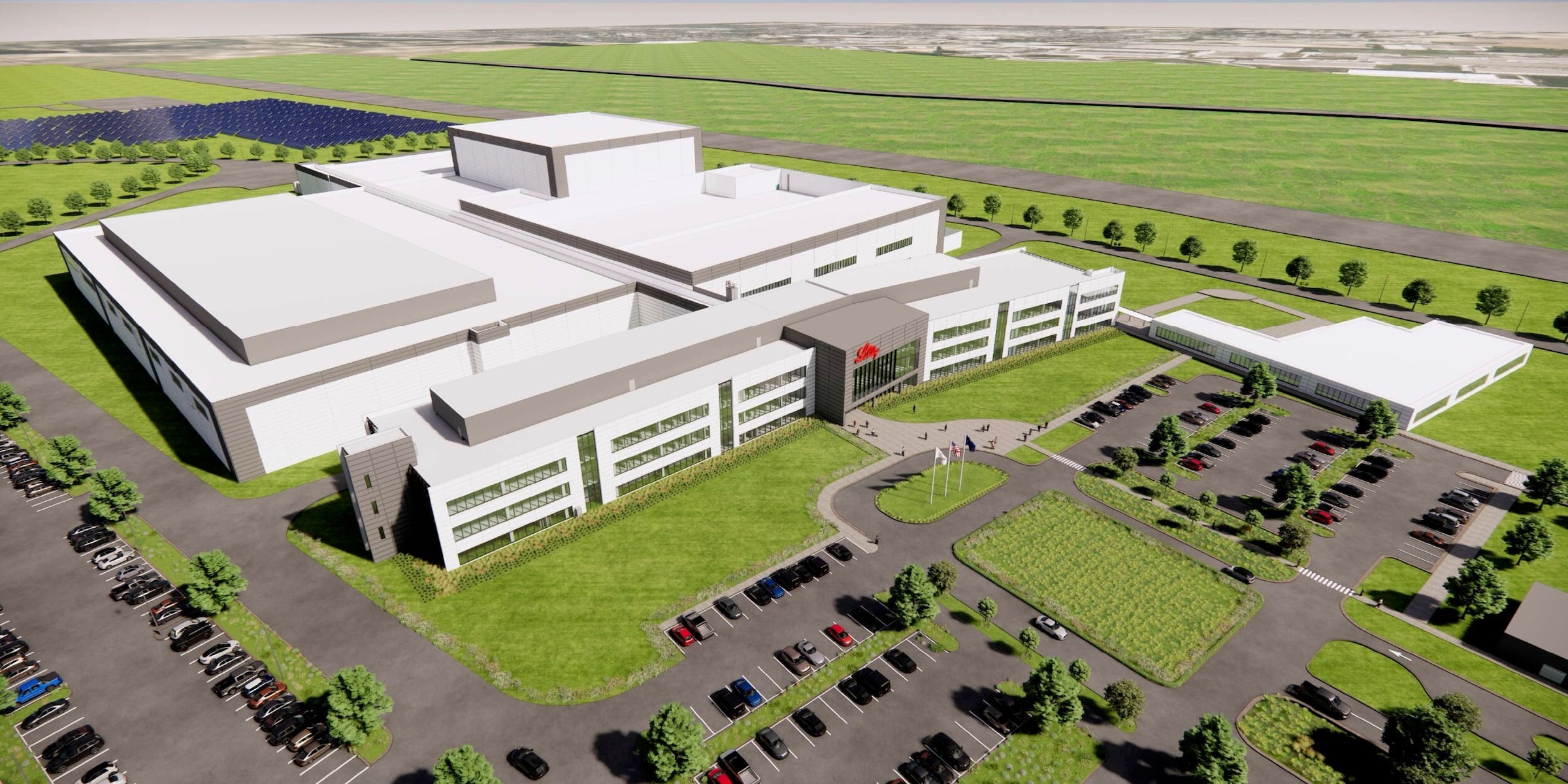
Eli Lilly has unveiled plans to construct a $3.5 billion pharmaceutical facility in Upper Macungie Township, Pennsylvania. This announcement follows a competitive selection process in which Pennsylvania initially fell short. The decision highlights a significant turnaround in negotiations led by Governor Josh Shapiro, who emphasized the state’s strengths and resources in attracting the pharmaceutical giant.
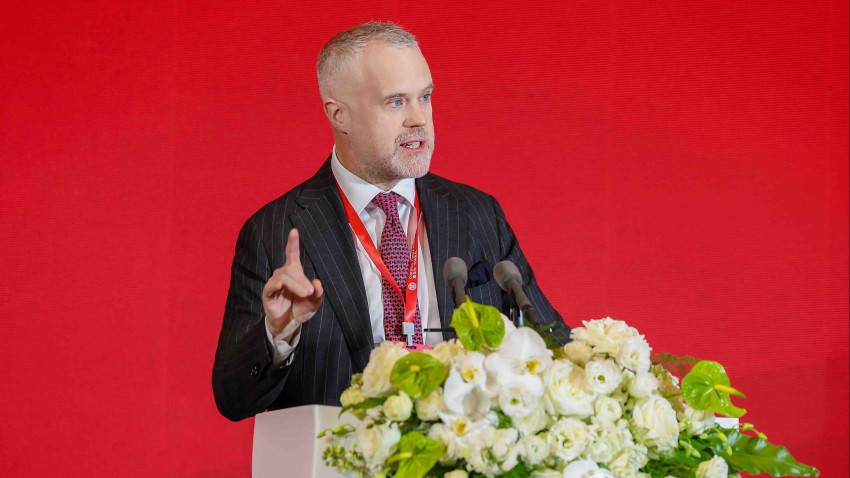
During a recent event at the Da Vinci Science Center in Allentown, Eli Lilly’s CEO Dave Ricks confirmed that the new plant will be located at 9802 Main Street and is part of a broader $50 billion investment strategy by the company. The Lehigh Valley site was selected from over 300 applications, marking it as a pivotal investment in the region’s economic landscape.
Significant Economic Impact for Pennsylvania
Governor Shapiro described Eli Lilly’s decision as the largest life sciences investment in Pennsylvania’s history. He noted that the facility is expected to create approximately 2,850 jobs, including 850 permanent positions at the plant. The average salary for employees at Eli Lilly facilities is projected to be around $100,000 annually, a factor expected to significantly enhance the economic stability of local families.
The investment will also generate 2,000 construction jobs during the plant’s development, which is anticipated to be operational by 2031. Shapiro added that the state has committed $100 million in economic development incentives to facilitate the project. A new interchange off Interstate 78 is also planned to improve access to the site, further enhancing its logistical advantages.
Focus on Health and Innovation
The new facility will primarily focus on producing weight-loss medications, including Zepbound and Retatrutide. The latter awaits FDA approval, with Ricks indicating plans to apply for this by the end of 2026. While moving forward with the factory carries risks, Ricks acknowledged that taking calculated risks is intrinsic to the pharmaceutical industry.
“We run a business where every product we make will eventually go off patent and lose its value,” Ricks explained. He emphasized the importance of timely innovation, stating, “The currency of business for us is about time.”
This strategic investment positions Pennsylvania, particularly the Lehigh Valley, as a leader in the life sciences sector. The region is already home to established companies such as B.Braun and Orasure. According to Shapiro, over 100,000 Pennsylvanians are employed in life sciences, and the state is responsible for producing half of all vaccines in the United States.
Ricks remarked on the broader implications of obesity treatments, noting that seven out of ten Americans are classified as overweight. He stated, “If we can arrest obesity in our country, we can change the health outcomes for millions of people.”
With the collaborative efforts of local stakeholders, including the Lehigh Valley Economic Development Corporation, the Parkland School District, and community colleges, this project signifies a transformative moment for the region’s economy and public health landscape. The support from various partners has been crucial in expediting the development process, ensuring that Eli Lilly’s ambitious plans come to fruition.