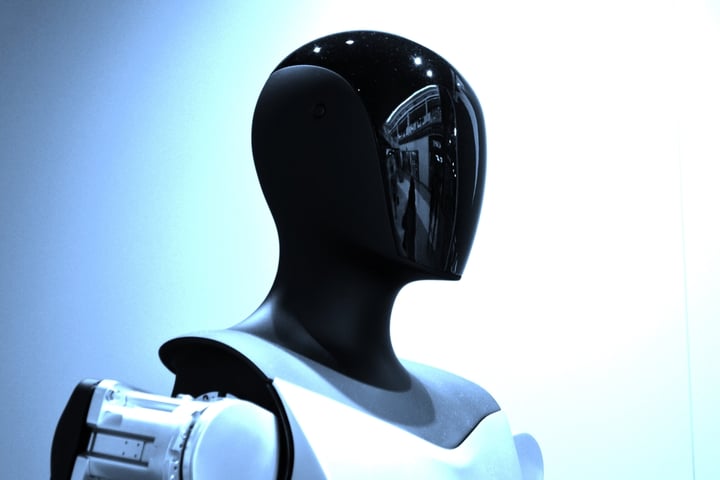
Elon Musk, the CEO of both Tesla Inc. and SpaceX, has proposed that the company’s humanoid robot, Optimus, could play a pivotal role in building civilizations on other planets. This statement aligns with Musk’s vision of a future where advanced artificial intelligence (AI) can significantly enhance humanity’s presence beyond Earth.
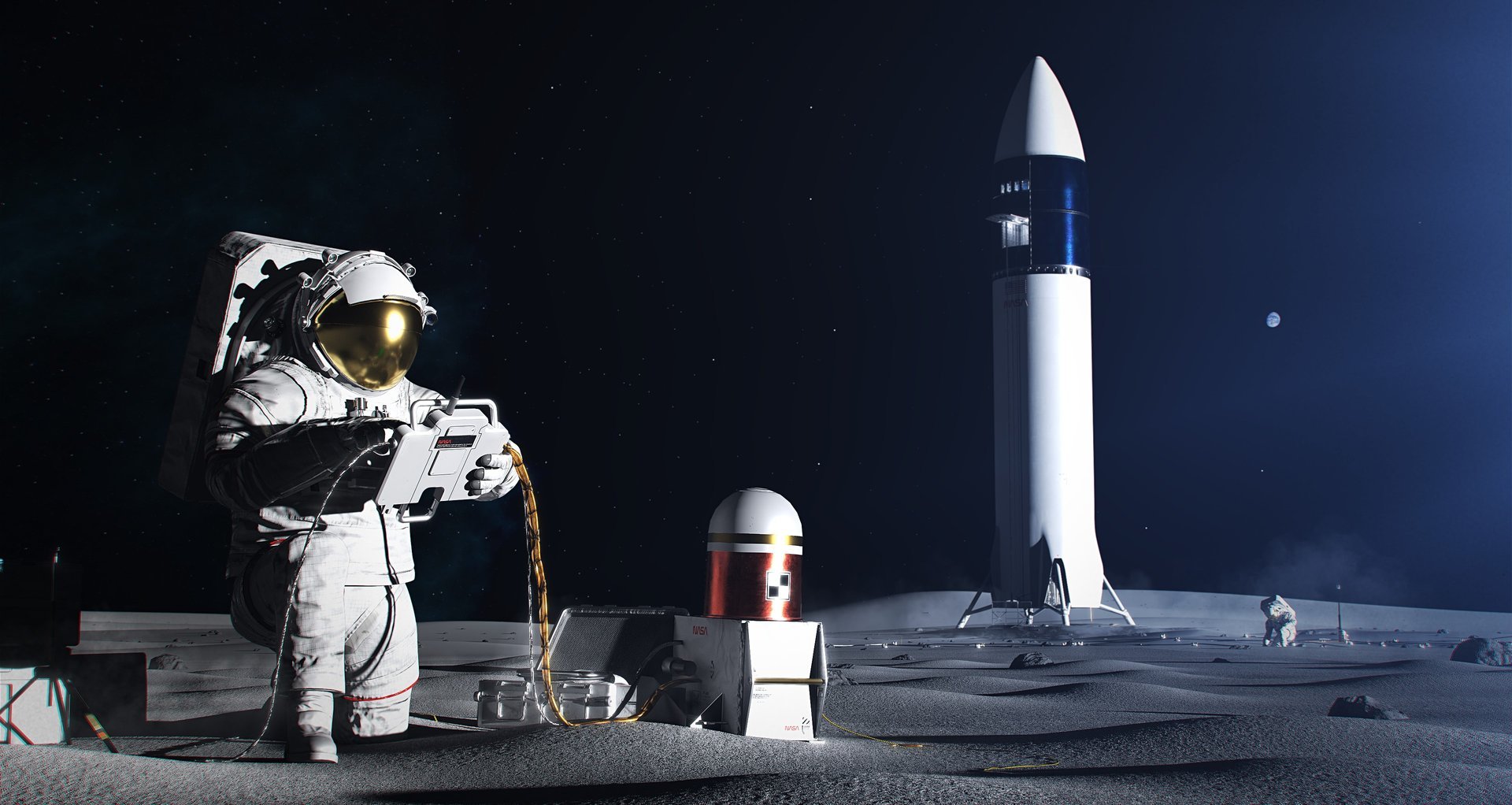
Musk made the comments in response to a post on the social media platform X, where user Ryan Dahl discussed SpaceX’s recent announcement regarding its merger with xAI and the ambitious goal of launching 1 terawatt (TW) of AI computing power annually. In his reply, Musk suggested that Optimus could be the first of what he termed a “Von Neumann machine,” capable of autonomously creating and sustaining life on other viable planets.
Understanding the Von Neumann Concept
The concept of a Von Neumann machine originates from the ideas of Hungarian-American mathematician and physicist John von Neumann. A Von Neumann machine or probe refers to a theoretical spacecraft designed to self-replicate using raw materials found in other planetary systems. These machines could fabricate copies of themselves to explore and colonize space autonomously.
By asserting that Optimus could embody this technology, Musk hints at a future where AI systems could manage robotic operations on other planets, utilizing available resources to establish new civilizations. This perspective reflects Musk’s broader ambitions for expanding human presence in space.
Optimus’ Potential Impact on Productivity
Musk has frequently highlighted the potential of Optimus, suggesting it might exceed Earth’s current productivity levels alongside the advancements in space-based AI computing. He also indicated that Tesla’s decision to phase out premium vehicle models, such as the Model S and Model X, is aimed at redirecting resources to scale up the production of Optimus, with a target of manufacturing 1 million units annually at Tesla’s Fremont facility.
Recent analyses, including those from Benzinga Edge Rankings, show that Tesla continues to perform well on various metrics, particularly in momentum, which suggests a favorable long-term price trend. Following Musk’s remarks, Tesla’s stock price saw a slight decline of 0.67%, closing at $419.15 during after-hours trading on March 5, 2024.
Musk’s vision for Optimus and its role in future space exploration underscores a growing interest in the intersection of robotics and AI in the quest for sustainable life on other planets. As developments in this area continue to unfold, the implications for both technology and humanity’s future remain profound.