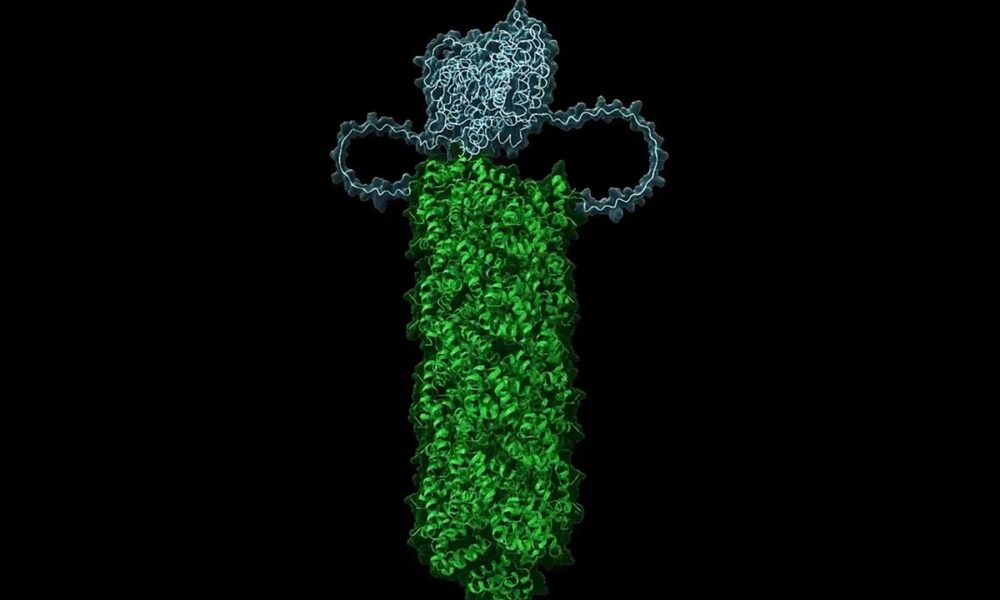
Researchers at Rice University have developed innovative erasable serum markers that enable the precise tracking of brain gene activity. This breakthrough aims to provide scientists with a more accurate way to observe the rapid and subtle changes in gene expression within the brain, potentially transforming our understanding of neurological conditions and cognitive functions.
The newly engineered serum markers can be adjusted or erased, allowing for repeated assessments over time. This flexibility presents a significant advancement compared to traditional methods, which often require more invasive procedures or fixed samples. The research team, led by Dr. Jeffrey H. P. Hsu, hopes that these markers will facilitate ongoing studies into the dynamic processes of brain activity.
Key Features of the Erasable Markers
The serum markers function by attaching to specific mRNA molecules in the bloodstream. When gene expression changes, the markers can be erased and reattached, reflecting real-time shifts in brain activity. This capability allows researchers to monitor changes without needing to extract new samples, streamlining the research process significantly.
According to the findings published in March 2024, this technology could enhance the way scientists investigate various neurological disorders, such as Alzheimer’s and Parkinson’s disease. By providing clearer insights into gene expression fluctuations, the markers could help in developing targeted therapies and improving patient outcomes.
Implications for Future Research
The potential applications of these erasable serum markers extend beyond neuroscience. They could be utilized in various medical fields, including cancer research and pharmacogenomics, where understanding gene expression is crucial for treatment effectiveness. The adaptability of the markers could lead to a better understanding of how different conditions affect gene activity over time.
The research team at Rice University is collaborating with multiple institutions to further explore the markers’ capabilities and applications. Their work not only enhances the understanding of brain function but also represents a significant leap forward in how researchers can monitor biological processes non-invasively.
As this technology matures, the implications for clinical applications could be profound. With ongoing advancements, the hope is that these serum markers will become a standard tool for researchers and clinicians alike, paving the way for new diagnostic and therapeutic strategies in the fight against neurological disorders.