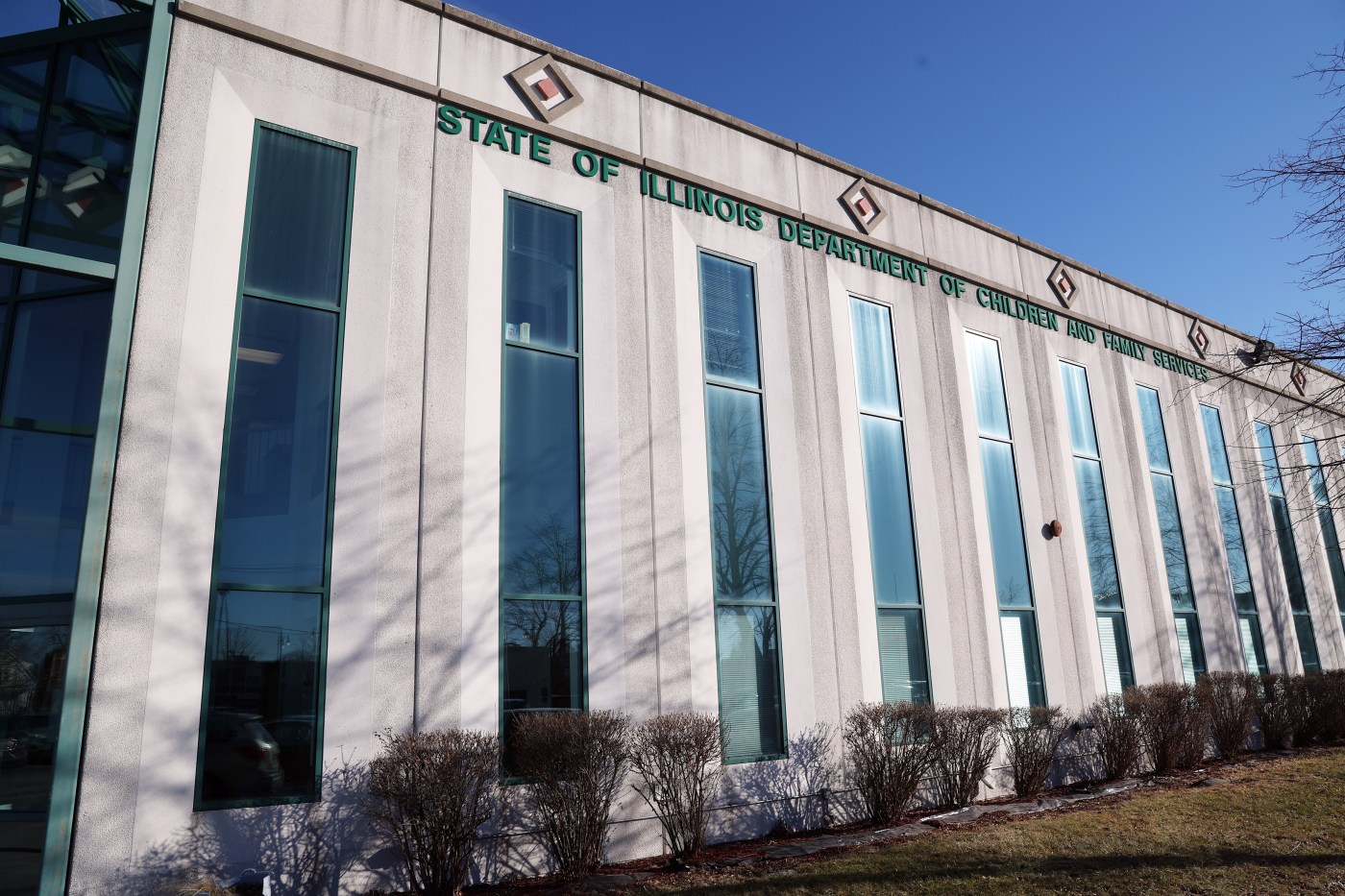
A new pilot program in Illinois designed to explore the impacts of cash assistance on child welfare is igniting discussions among experts and community members. Led by the child and family services organization Brightpoint, formerly known as Children’s Home & Aid, this initiative partners with the Illinois Department of Children and Family Services to provide financial support to families involved with the state’s child welfare system.
In a recent op-ed published on January 2, 2024, by professors Sarah A. Font and Emily Putnam-Hornstein, the authors criticized this pilot, questioning whether providing financial assistance to parents who have mistreated their children can actually improve child welfare. However, advocates for the program argue that Illinois deserves recognition for asking difficult, evidence-based questions about how to keep children safe and families intact.
The pilot aims to assess whether unconditional cash support can reduce child neglect, a critical issue impacting many families. According to Mike Shaver, president and CEO of Brightpoint, the program will track the outcomes of 800 families, half of whom will receive an average of $500 per month over a 12-month period. All participating families are already involved in Intact Family Services, a voluntary program designed to stabilize families before crises escalate.
Shaver emphasizes that the study does not claim cash assistance is a definitive solution to child maltreatment. Instead, it seeks to understand if financial support can mitigate the effects of poverty, which is often linked to neglect. He argues that questioning established assumptions is essential for progress in child welfare.
Community Perspectives on Poverty and Support
Responses to the op-ed have highlighted the complexity of issues surrounding child welfare. Tecoria Jones, board secretary at Be Strong Families, contends that family struggles are often rooted in socioeconomic conditions. She points out that problems such as unemployment, drug addiction, and mental health challenges affect families across all income levels, not just those in poverty.
Jones urges social work professionals to consider the broader societal contexts in which low-income families operate. She cites findings from a June 2021 CNBC article indicating that financial relief during the COVID-19 pandemic significantly improved food security and mental health for families with children. This evidence suggests that financial assistance can play a vital role in enhancing family stability.
In her view, effective policy must address the underlying issues that contribute to child maltreatment, rather than solely focusing on parental behaviors. Jones reflects on the importance of empathy in understanding the challenges faced by families living in poverty, advocating for a holistic approach to child welfare.
Controversy Over Research and Policy Direction
The discourse surrounding the pilot program also touches on broader political dynamics. Marrianne McMullen, a former foster parent, expresses concern about the national narrative against cash assistance. She observes that bipartisan efforts, such as the Family First Prevention Services Act passed during the Trump administration, have historically supported initiatives aimed at keeping families together.
McMullen argues that the recent criticism from think tanks like the American Enterprise Institute appears to overlook the evidence linking child mistreatment to a lack of essential resources, such as housing and food. She questions why such negative sentiments are emerging, suggesting they contribute to divisions over child welfare policy.
Meanwhile, Michael Kaiser-Nyman challenges the assertions made by Font and Putnam-Hornstein regarding negative outcomes associated with cash transfers from the Rx Kids program. He notes that other studies have reported positive effects, including reductions in maltreatment allegations and improved health outcomes for children.
As the pilot program in Illinois continues, the outcomes will likely inform future discussions on the role of financial assistance in child welfare. Advocates are hopeful that the data collected will shed light on effective strategies for supporting families and enhancing child safety, ultimately leading to meaningful progress in a complex and often contentious field.