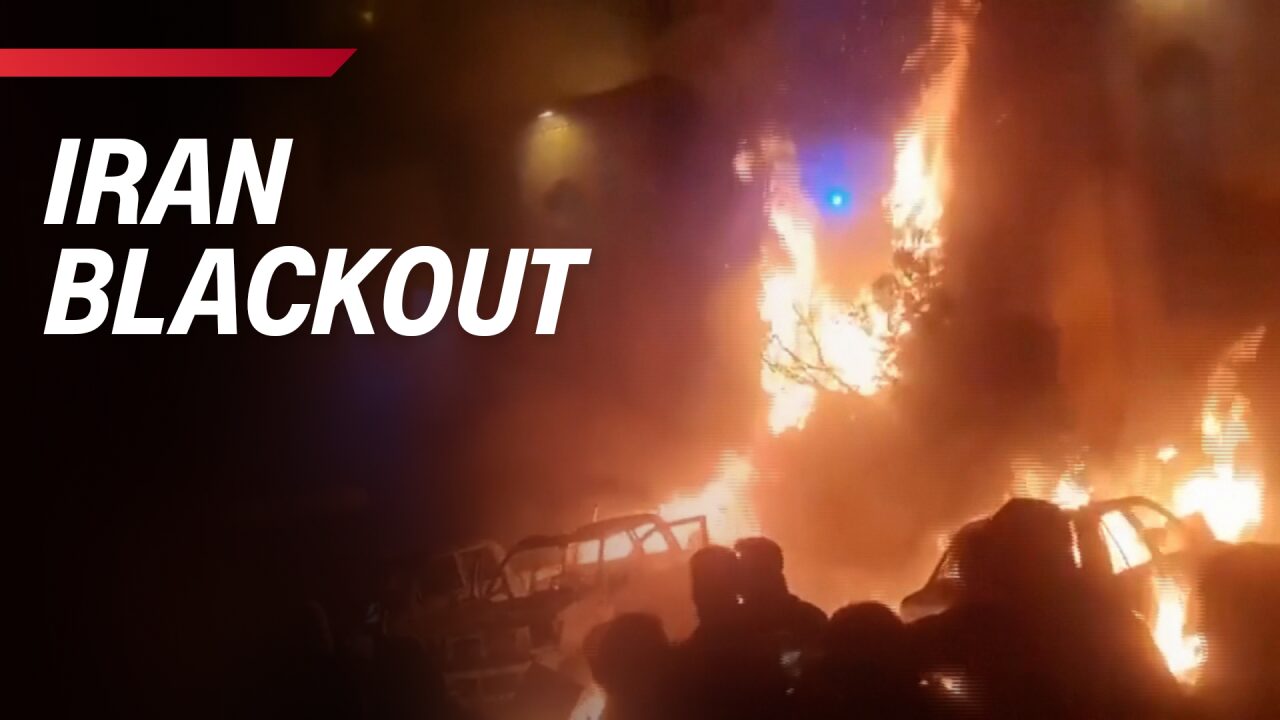
Protests in Iran have entered their second week as an internet blackout imposed by the government persists. The situation escalated when Reza Pahlavi, the son of Iran’s last shah, called for a nationwide strike beginning on Saturday, December 30, 2023. This strike aims to mobilize workers across key sectors, including transportation, oil and gas, and energy, to demonstrate against the government during a time of rising tensions.
In a video posted on X, Pahlavi urged protesters to take to the streets with flags and national symbols, aiming to reclaim public spaces. He emphasized the importance of holding city centers, claiming that the protests on Friday sent a strong message to Iranian leaders. While Pahlavi’s influence within Iran remains uncertain, his call for action has resonated with segments of the population dissatisfied with the current regime.
As protests continue, the government has maintained strict control over internet access. According to watchdog group NetBlocks, the blackout has lasted for over 36 hours, severely restricting Iranians’ ability to communicate and seek information about the ongoing unrest.
Impact of the Internet Blackout
The blackout began on Thursday following mass demonstrations in the capital, Tehran. NetBlocks reported that the restrictions have made it difficult for individuals to check on the safety of friends and family members. In a statement shared on their Telegram channel, they noted, “It’s now 8:00 am in #Iran where the sun is rising after another night of protests met with repression.”
Protests erupted on December 28, 2023, fueled by widespread frustration over rising inflation and anger towards the conservative ruling government. Demonstrators have expressed their discontent with the government’s handling of economic issues, as well as its often violent response to dissent.
While the situation remains fluid, the combination of Pahlavi’s strike call and the internet blackout underscores the escalating tensions in Iran. The protests have drawn attention from international observers, as citizens continue to voice their demands for change in a country marked by decades of strict governance.
As the second day of the internet blackout progresses, the world watches closely to see how the Iranian government will respond to the mounting pressure from both its citizens and global communities.