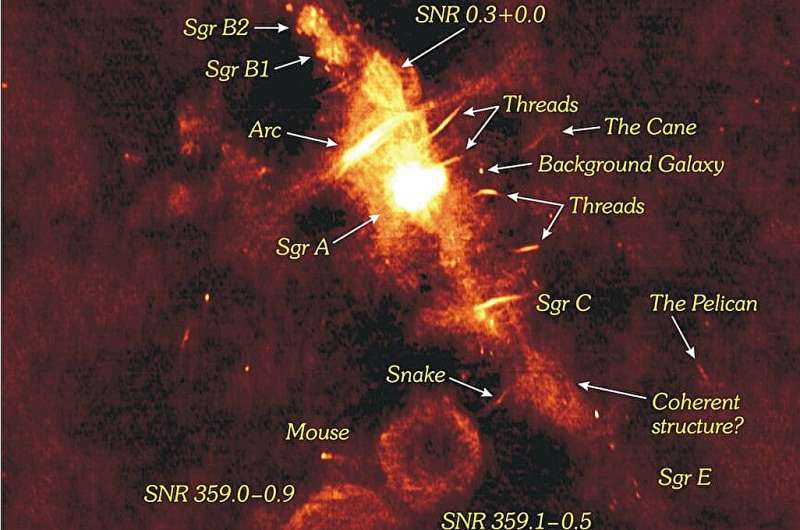
New research from the James Webb Space Telescope has unveiled previously hidden supermassive black holes, challenging traditional methods of detection. These findings, published in early March 2024, offer insights into the role that these elusive cosmic giants play in shaping galaxies.
The study highlights that these quiet galactic engines, often overlooked due to their subtle activity, exert significant influence on the structure and evolution of their host galaxies. Astronomers from NASA and the European Space Agency collaborated on this research, which utilized the telescope’s advanced capabilities to detect light signatures that signal the presence of these black holes.
Understanding the Impact of Quiet Galactic Engines
Supermassive black holes, typically found at the centers of galaxies, are known for their immense gravitational pull. However, many of these black holes are not actively consuming matter, making them difficult to detect with conventional methods. The James Webb Space Telescope’s ability to capture infrared light has provided astronomers with a new tool to uncover these hidden entities.
This groundbreaking research suggests that even inactive black holes can have a profound impact on their galactic environments. By studying the interactions between these black holes and their surroundings, scientists can better understand the mechanisms driving cosmic evolution. The findings indicate that these quiet giants may play a crucial role in regulating star formation and galaxy dynamics.
The Future of Galactic Research
The implications of these discoveries are vast. As astronomers continue to analyze data from the James Webb Space Telescope, they anticipate that more hidden black holes will be identified. This could lead to a reevaluation of existing models of galaxy formation and evolution.
Dr. Leah Thompson, a lead researcher on the project, emphasized the potential of these findings: “By revealing the presence of supermassive black holes that have previously escaped detection, we are opening a new chapter in our understanding of the universe’s structure.”
As research progresses, the James Webb Space Telescope remains at the forefront of astronomical exploration. Its advanced technology not only provides unprecedented views of distant galaxies but also helps unravel the mysteries surrounding supermassive black holes. As scientists continue to study these cosmic phenomena, the insights gained could ultimately reshape our understanding of the universe and its origins.