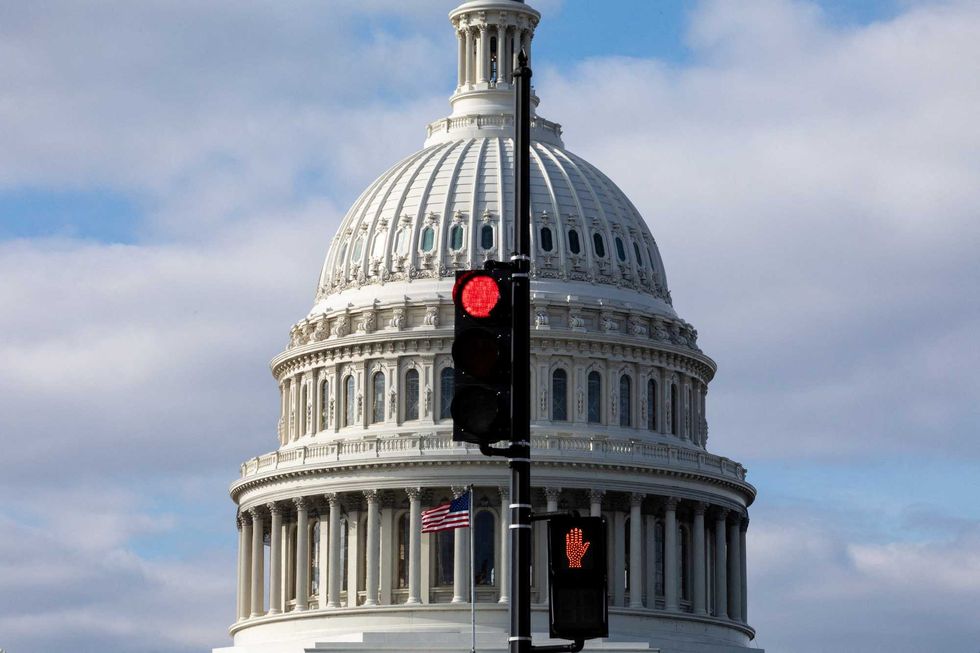
As the deadline of December 15, 2025 passed without an agreement on federal subsidies, millions of Americans relying on the Affordable Care Act (ACA) are poised to face significant increases in health care costs in 2026. Congress adjourned for the year on December 19, leaving many consumers uncertain about their health insurance options. A last-minute attempt in the House to extend ACA subsidies failed, raising concerns about affordability for those who depend on these financial aids.
Historical Context of the ACA
The ACA, enacted in 2010, aimed to address a growing health care crisis in the United States, where nearly 49 million people—approximately 15 percent of the population—were uninsured prior to its passage. This situation worsened following the 2008 recession, which left many without jobs and, consequently, without health coverage. The ACA represented a pivotal moment in the ongoing debate over whether providing health care is a government responsibility or the responsibility of individuals and their employers.
Disagreements over health care policy have long fueled political division in the U.S. Notably, the ACA became a focal point during a historic 43-day government shutdown that began on October 1, 2025. This ongoing impasse underscores the need for lawmakers to address the fundamental question of who should be responsible for health care costs.
Impact of ACA Subsidies and Medicaid Expansion
Before the ACA, many Americans struggled to secure health insurance. The legislation aimed to decrease the number of uninsured individuals by about 30 million, ultimately reducing that figure to approximately 26 million today, or 8 percent of the population. To achieve this, the ACA implemented various strategies, including allowing young adults to remain on their parents’ insurance until age 26 and mandating that employers provide health coverage.
Key provisions included the expansion of Medicaid, allowing states to cover individuals earning below 138 percent of the poverty line. As of December 2025, 40 states and the District of Columbia have adopted Medicaid expansion, providing coverage for about 20 million Americans. Initially, marketplace subsidies to assist low- and moderate-income individuals in purchasing insurance were less contentious, but the political landscape shifted significantly over time.
In 2021, the Biden administration introduced legislation that increased available subsidies, eliminating premiums for the lowest-income individuals and extending support to those earning above the previous cut-off. These pandemic-era subsidies are set to expire at the end of 2025, raising concerns about the affordability of health care for millions.
Projected Cost Increases for Consumers
If these subsidies are not renewed, those affected could experience a dramatic rise in health care costs. For example, an individual earning $45,000 per year could see their monthly insurance payment increase by 74 percent, amounting to an additional $153 each month. These costs will compound with projected insurance plan price hikes of approximately 18 percent in 2026, potentially leading to more than a 100 percent increase in overall costs for many ACA marketplace users.
Advocates of extending the current subsidies warn that a rollback could result in 6 million to 7 million people leaving the ACA marketplace, with about 5 million potentially becoming uninsured in 2026. Compounding this issue, a tax and spending package signed into law by former President Donald Trump in July 2025 could lead to more than 7 million individuals losing Medicaid coverage, further exacerbating the crisis.
Looking Ahead: Challenges and Solutions
The debate surrounding ACA subsidies reveals the complexities of the U.S. health care system, which remains the most expensive in the world. Proponents of the subsidies argue that they have significantly reduced the number of uninsured individuals but have also driven up federal expenditures. In 2025, nearly 22 million Americans received subsidies, a dramatic increase from 9.2 million in 2020.
Opponents of the subsidies contend that they disproportionately benefit higher earners who do not require assistance and that emergency measures, such as those enacted during the pandemic, should not lead to permanent policy changes. There is also concern that employers may use the ACA as a means to reduce their responsibility for employee coverage, with a notable drop from 92 percent of businesses offering insurance in 2010 to 64 percent by 2025 among smaller employers.
The future of health care coverage in the U.S. hinges on addressing fundamental questions about responsibility and funding. State-level policies further complicate the landscape, with uninsured rates varying significantly across the country. For instance, only 3 percent of individuals under 65 are uninsured in Massachusetts compared to 18.6 percent in Texas. This disparity reflects broader political divides that influence health care access.
As lawmakers grapple with these challenges, it is clear that without a resolution on health care funding and coverage responsibilities, the U.S. will remain locked in a divisive debate that has persisted for decades.