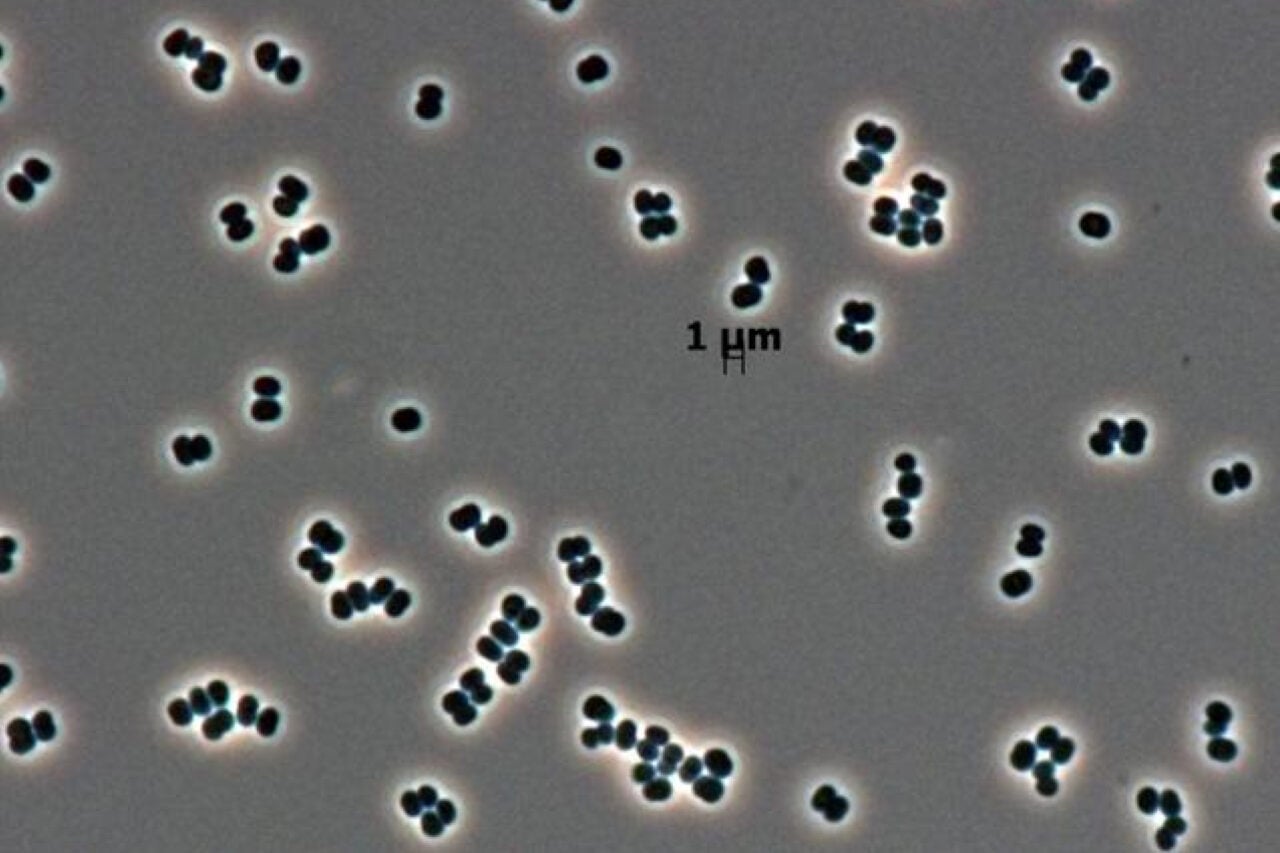
A remarkable discovery by NASA has revealed that a bacterium known as Tersicoccus phoenicis can survive extreme conditions by entering a dormant state that mimics death. Found in clean rooms designed to prevent contamination, this microbe not only evaded stringent sterilization efforts but also raised questions about potential contamination of other planets, including Mars.
In 2007, NASA researchers discovered T. phoenicis in two separate clean rooms, located approximately 2,500 miles (about 4,000 kilometers) apart. These clean rooms are critical in ensuring that spacecraft are free of Earthly microbes that could interfere with extraterrestrial exploration. Despite rigorous sterilization methods, including chemical cleaning and ultraviolet treatment, this bacterium managed to survive undetected until its formal announcement by NASA in 2013.
Understanding the Survival Mechanism
Recent research published in the journal Environmental Microbiology sheds light on how T. phoenicis survives in such harsh environments. The study’s lead author, Madhan Tirumalai, a microbiologist at the University of Houston, explained that the bacterium can enter a dormant state when deprived of nutrients, effectively “playing dead.” This dormancy can last for extended periods, as demonstrated when researchers placed the bacteria on sterile Petri dishes, causing them to enter a quiescent state within 48 hours.
The team found that even after a week without nutrients, the bacteria remained inactive. However, they were not dead. Exposing them to a specific protein revived their biological functions. As Nils Averesch, a microbiologist at the University of Florida, noted, this ability to suspend metabolism could enhance the chances of survival for microbes on spacecraft during long-duration space missions.
Implications for Space Exploration
The discovery carries significant implications, particularly concerning planetary protection protocols. One of the clean rooms where T. phoenicis was first identified was utilized during preparations for the Phoenix Mars Lander, which successfully reached Mars. The possibility that such resilient microbes could inadvertently accompany space missions raises concerns about contamination.
Despite the alarming nature of these findings, experts believe that the likelihood of T. phoenicis surviving on the Martian surface is low. According to Averesch, “anything directly exposed on the Martian surface is unlikely to survive.” The unique characteristics of T. phoenicis, which has not been found in natural environments, suggest it may have adapted specifically to survive within spacecraft clean rooms.
The study also provides valuable insights for improving sterilization practices in clean rooms. Understanding how to induce dormancy and subsequently revive microbes could inform better cleaning strategies, ensuring that such environments remain uncontaminated.
The resilience of the tiniest life forms continues to astound scientists, showcasing the remarkable survival mechanisms of microbes like Tersicoccus phoenicis. As space exploration advances, these findings underscore the importance of rigorous contamination controls to preserve the integrity of scientific missions beyond Earth.