A new nationwide research initiative, funded by the National Institutes of Health (NIH), is set to improve the health and quality of life for children with autism. Northern Arizona University (NAU) is significantly involved in this three-year project, which is backed by a grant of $4.25 million and led by Oregon Health & Science University (OHSU).
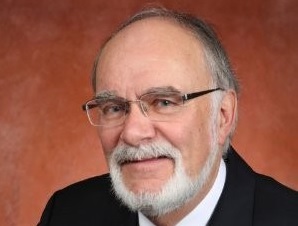
The initiative is part of the NIH’s broader $50 million Autism Data Science Initiative, launched in September 2023. NAU’s Olivia Lindly, an associate professor of health sciences in the Center for Community Health and Engaged Research (CHER), serves as co-principal investigator on the project. She is joined by co-investigators Benjamin Lucas, an assistant professor of mathematics and statistics, and David Folch, chair and associate professor in the Department of Geography, Planning, and Recreation.
Children on the autism spectrum face significant challenges in accessing quality healthcare and often have unmet needs that are among the highest for pediatric chronic conditions. Disparities in service use and long-term health outcomes have been well-documented, primarily due to a lack of clearly defined health outcomes that matter most to these children and their caregivers.
Bridging the Gap in Autism Research
The research team aims to address these gaps by integrating advanced data science methodologies with insights from autistic individuals and their families. By employing a community-engaged approach, the project will prioritize the voices of those historically excluded from research discussions, ensuring that the health outcomes they define are truly meaningful.
“This funding marks a powerful step forward in ensuring that children with autism and their caregivers have equitable access to the high-quality care they need and deserve,” stated Janelle Chiasera, dean of NAU’s College of Health and Human Services. She expressed pride in NAU’s leadership role in a project designed to enhance health outcomes and create lasting change for families across the nation.
The initiative will analyze extensive datasets, including Medicaid claims and national surveys, to pinpoint factors that predict positive health outcomes in areas such as preventive care, sleep, nutrition, and access to effective community support. Insights from youth and their caregivers will be instrumental in interpreting findings and shaping actionable recommendations.
Focusing on Individual Needs
“Autism is highly variable, and every child’s needs can look very different,” said Lindly. The research will take this heterogeneity into account to avoid generalizing findings across the spectrum of autism.
The long-term objective is to deliver evidence-based recommendations that healthcare providers, policymakers, and communities can use to enhance outcomes for autistic individuals. Lindly emphasized the project’s commitment to helping families understand which supports and services are most effective.
“This project is focused on helping families by finding out what supports and services work best,” she noted. The collaborative effort will also involve co-principal investigators from OHSU, including Dr. Katharine Zuckerman, a professor of pediatrics, and Margaret Gillis, an education researcher at SRI International.
Zuckerman highlighted the project’s immediate impact, stating, “Finding out what causes autism is helpful for the future, but our project is focused on helping people right now. We are looking to find out what supports and services families need, which programs work and which do not.”
As the project unfolds, it aims not only to address the pressing needs of children with autism but also to set a foundation for improved healthcare practices and policies across the United States.