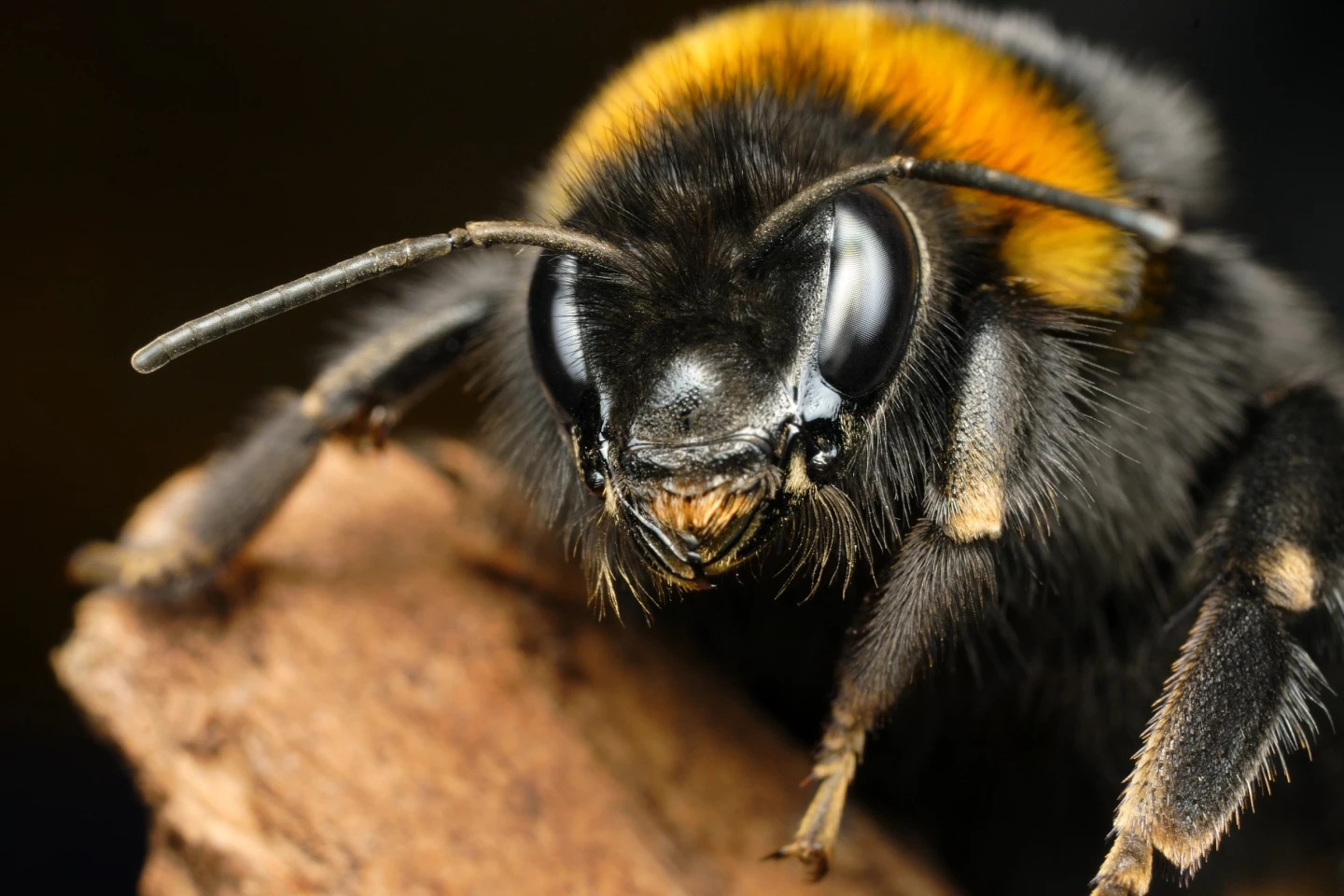
Bumblebees, known for their charming appearance and bumbling flight patterns, exhibit complex social behaviors that are often overlooked. A recent study conducted by researchers at Southern Medical University sheds light on the intricate dynamics of communication among these insects, revealing that positivity can spread among them much like a contagion.
Understanding Bumblebee Communication
The study highlights that bumblebees are not merely simple creatures as they appear. Instead, they engage in sophisticated interactions that can influence their behavior and social structures. Researchers focused on the ways bumblebees communicate with one another, particularly the methods they use to convey positive experiences.
Through a series of experiments, the team observed that when one bumblebee encountered a rewarding food source, the information about this find was shared with others in the colony. This sharing was shown to create a ripple effect, where the excitement of one bee could elevate the foraging enthusiasm of its peers. In essence, positive experiences can lead to increased exploration and foraging efficiency within the group.
The implications of this research are significant. Understanding how social interactions and positive reinforcement function among bumblebees can provide insights into their survival strategies and overall health. The researchers noted that these dynamics could have broader implications for understanding communication in other animal species as well.
Broader Impacts on Ecosystems
Bumblebees play a critical role in pollination, which is essential for the health of many ecosystems. The findings from this study suggest that promoting positive interactions within their colonies could enhance their foraging success, thereby benefiting plant life and agricultural practices that depend on these insects.
The study’s lead researcher emphasized the importance of bumblebee colonies in maintaining biodiversity. By recognizing the social behaviors that drive their foraging success, conservation efforts can be better tailored to support these important pollinators. As bumblebee populations face threats from habitat loss and climate change, understanding their communication strategies can help inform protective measures.
Published in the journal Animal Science, this research not only contributes to the field of entomology but also serves as a reminder of the complexities of nature. As scientists continue to explore the social lives of bumblebees and other insects, the interconnectedness of species within our ecosystems becomes increasingly apparent.
The study encourages a reevaluation of how we perceive and interact with the natural world. By fostering environments that support positive social interactions among bumblebees, we may be able to enhance their populations and, by extension, the health of our ecosystems.