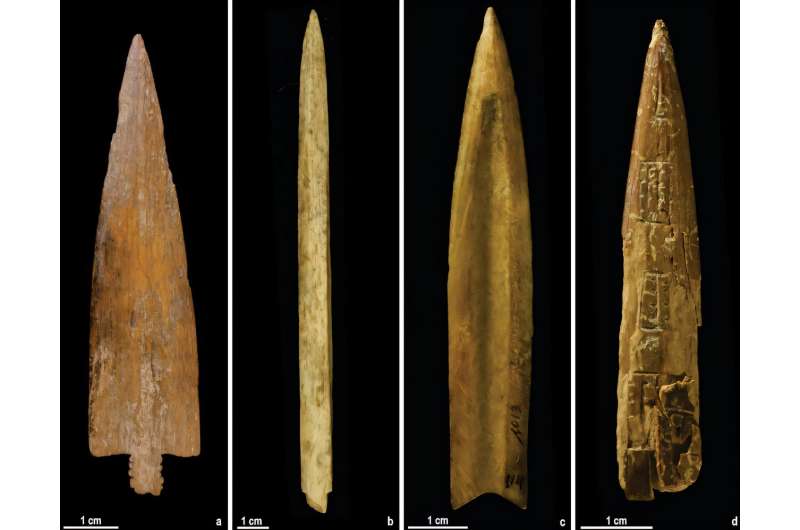
Research led by Dr. Matías Medina and his team has revealed significant insights into the organized craft production of bone arrow points in prehistoric Argentina. Published in the International Journal of Osteoarchaeology, the study highlights the manufacturing techniques used by communities during the Late Prehispanic Period, approximately between 1220 and 330 cal BP, in the Sierras de Córdoba.
For many years, understanding the raw materials and crafting processes of these ancient societies remained limited. The research team, which included Sebastián Pastor and Gisela Sario, conducted a technological analysis of 117 bone artifacts housed at the Museo Arqueológico Numba Charava. These artifacts were collected over the 20th century from various sites in the southern Punilla Valley, shedding light on the daily lives of these prehistoric communities.
Insights into Craft Production
The study indicated that the primary material used for crafting the arrow points was bones from the guanaco, a species hunted for food. The bones were collected and meticulously processed into tools. The analysis revealed that the bone arrow points were typically crafted from metapodia, the long bones of the limbs. These bones were first split lengthwise, flattened through grinding, and then shaped into arrowheads through scraping and whittling.
Dr. Medina noted the rarity of decorative points, with only three instances of incised decoration reported in archaeological literature. These decorations, consisting mainly of lines and small triangles, suggest that these arrow points held greater cultural significance, potentially serving as symbols of social identity during warfare.
The research underscores the notion that these arrow points were primarily utilized in combat rather than for hunting. The intricate designs may have been intended to convey the maker’s cultural affiliation, possibly leaving a lasting impression on adversaries.
Implications for Understanding Prehistoric Communities
The findings extend beyond the mere production of tools; they offer a glimpse into how communities in the Southern Punilla Valley organized their craft production. Each arrow point was unique, indicating a standardized yet individualized manufacturing process likely passed down through generations within nuclear families.
This study is significant as it reinforces the role of the nuclear family as the primary social unit responsible for food and tool production during the Late Prehispanic Period. Dr. Medina emphasized the need for comparative analysis with neighboring regions, such as the Low Paraná and Uruguay River floodplains, which are over 500 kilometers away. Understanding the technological adaptations in these areas could illuminate the broader implications of resource availability and subsistence strategies.
Dr. Medina expressed the potential for new research avenues, stating, “A new technological comparison that accounts for stone availability and subsistence organization will offer insights into the implications of various technological alternatives and identify critical areas for future research.”
The study not only fills a significant gap in the archaeological record but also contributes to a deeper understanding of the social and cultural dynamics of ancient communities in Argentina. This research illustrates how the craftsmanship of bone tools reflects the intricate relationships between resources, technology, and social identity in prehistoric life.
As the field of archaeology continues to evolve, studies like this emphasize the importance of uncovering the narratives behind everyday tools, enriching our understanding of human history.