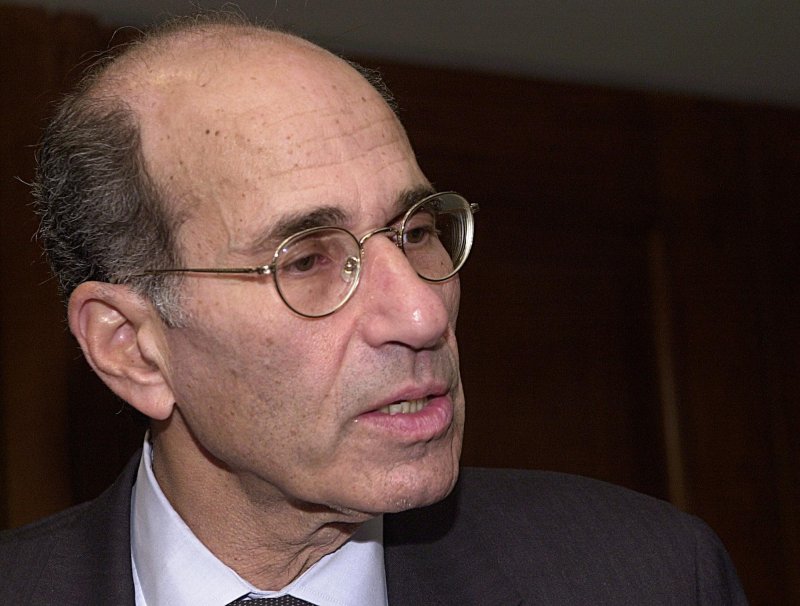
Nobel Prize-winning scientist Richard Axel has announced his resignation as co-director of the Zuckerman Mind Brain Behavior Institute at Columbia University in light of his association with the late financier Jeffrey Epstein. This decision follows the recent release of over 3 million pages of documents by the Department of Justice detailing Epstein’s extensive network, which has led to increased scrutiny of his high-profile connections.
In a statement released on February 25, 2024, Axel expressed his intention to focus on research and teaching within his laboratory. He acknowledged his past relationship with Epstein, admitting it was a “serious error in judgment” and expressed regret for compromising the trust of his colleagues and students. Axel, aged 79, stated, “What has emerged about Epstein’s appalling conduct makes my association with him all the more painful and inexcusable.”
The documents, which reveal correspondence between Axel and Epstein dating back to at least 2010, have drawn significant public attention. Since the release, numerous individuals associated with Epstein have faced consequences, including resignations and arrests. The fallout from these revelations has impacted various prominent figures, including former British Ambassador to the U.S., Peter Mandelson, who was arrested on suspicion of misconduct in public office, and Andrew Mountbatten-Windsor, previously known as Prince Andrew, who faces similar allegations regarding the leaking of confidential information to Epstein.
Columbia University’s Response
Columbia University has stated that it found no evidence of any violations of university policy or law by Axel. A university spokesperson acknowledged his decision to step down, noting, “Dr. Axel made clear that in light of this past association, and the continued fallout from the release of DOJ files, he felt it appropriate to relinquish his position as co-director.” The university also praised Axel for his extraordinary contributions to both academia and science.
In addition to resigning from his role at Columbia, Axel is also stepping down from the Howard Hughes Medical Institute. He shared insights about his first meeting with Epstein in the 1980s during an interview with New York Magazine in 2007, where he revealed the nature of their relationship over the years.
Axel, along with Linda Buck, won the Nobel Prize in Physiology or Medicine in 2004 for groundbreaking research on the mechanisms of smell, including their identification of odorant receptor genes. The recent developments have overshadowed his scientific achievements, as the focus shifts towards accountability for relationships with Epstein.
The ongoing scrutiny surrounding Epstein’s associates continues to grow, prompting demands for transparency and ethical accountability. As more individuals face examination regarding their connections to Epstein, the impact of these revelations will likely resonate further within both academic and public spheres.