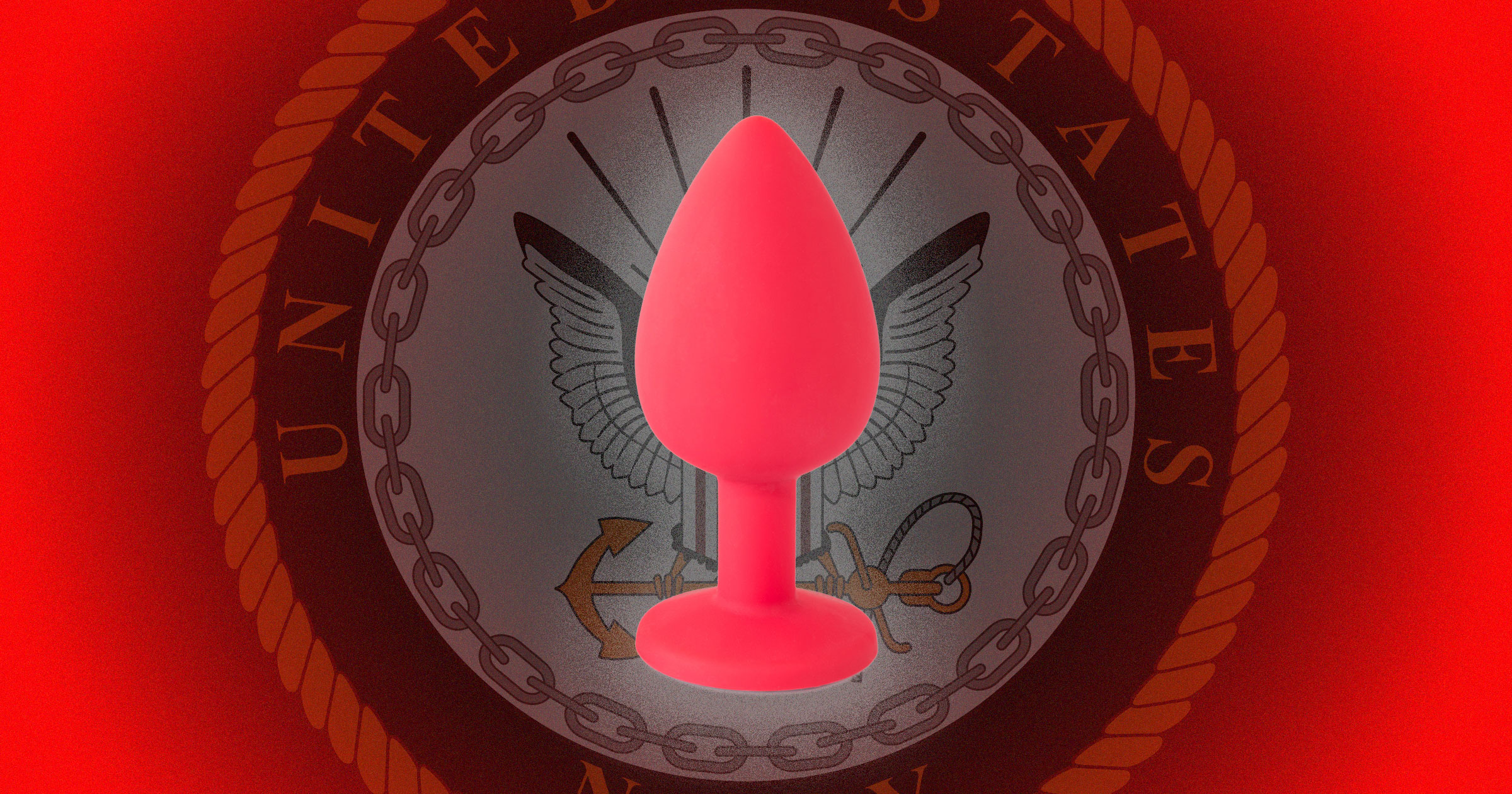
A Toronto-based sex toy store, Bonjibon, has found itself at the center of a peculiar situation involving the United States military. The store’s co-founder, Grace Bennett, revealed that the Pentagon sent two letters instructing her company to cease sending butt plugs to military personnel stationed at a naval base in Bahrain.
According to CTV News, Bennett discovered the letters after opening two returned packages that had been sent back from the US base. The Pentagon’s communication specified that “pornographic materials or devices” are prohibited in Bahrain, a conservative Gulf nation. Interestingly, Bonjibon does not ship its products to Bahrain due to local laws, leading Bennett to suspect that someone had forwarded the items to the Navy personnel.
“We didn’t even know it (the product) was going to Bahrain until it came back to us months later,” Bennett explained. “It just kind of unraveled this whole… hilarious moment.” She expressed amusement at the situation, stating, “We got a huge kick out of it. I mean, we don’t judge; we want everyone to order whatever they want.”
The letter from the Pentagon’s Transportation Command highlighted that items like sex toys fall under the category of “prohibited items,” which also includes handcuffs, nudity magazines, and DVDs. The command’s 2024 instructions for Bahrain explicitly warn against importing such materials. In a leaflet titled “Bahrain Moving Tips,” the Navy’s Naval Supply Systems Command advises personnel that “no pornographic material” should be shipped into the country.
Shipping restrictions in Bahrain are stringent, with customs reportedly x-raying all shipments. Any items deemed illegal are destroyed, which adds a layer of complexity for military personnel stationed in the region. Bennett remarked on the irony of the situation, pointing out that “there is a juxtaposition of a military person in a foreign country ordering butt plugs and having no understanding that those items are illegal in the country that they’re in.”
The incident also brings to light broader issues regarding sexuality within the military. Topics like sexual violence and gender identity remain contentious issues in the armed forces, creating a challenging environment for service members. While the Pentagon’s directive may seem to stem from a place of prudence, it reflects the complicated landscape of sexual expression in a conservative setting.
Bennett expressed disappointment that her customers did not receive their orders, emphasizing her desire for everyone to feel comfortable purchasing what they want. “There’s many layers of hilarity to this that we can all just poke fun at,” she said, acknowledging the absurdity of the situation while lamenting the loss of customer satisfaction.
The peculiar case of Bonjibon and the Pentagon serves as a reminder of the cultural differences that can arise when Western ideals of personal freedom meet the conservative values of other nations. As military personnel continue to navigate these complexities, the incident underscores the importance of understanding local laws and customs, particularly in conservative regions like Bahrain.